
Termite mounds are among the most fascinating examples of natural engineering on Earth. These towering structures, often rising several meters above the ground, are not just piles of soil but complex ecosystems designed by millions of tiny termites. Termite mounds are marvels of architecture, providing ventilation, temperature regulation, and protection to the colony within.
Table of Contents
In this article, we will explore their definition, history, importance, benefits, challenges, and real-world lessons humans can learn from these remarkable structures. By the end, you will gain a new appreciation for how these tiny insects create giant homes with unmatched efficiency.
What Are Termite Mounds?
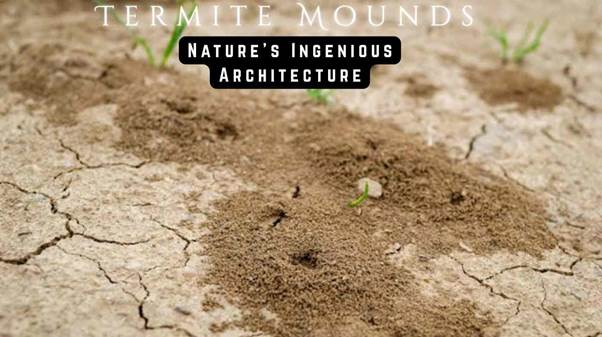
A termite mound is a large, above-ground structure built by termites using soil, saliva, and fecal matter. These mounds can range from small dome-like forms to massive towers more than 8 meters high. Inside lies a maze of tunnels and chambers that house millions of termites, including workers, soldiers, and the queen. The intricate design ensures airflow, moisture retention, and stability, even in harsh environments.
The History of Termite Mounds
Termite mounds have existed for millions of years, with fossil evidence dating back to the Miocene epoch. Found across Africa, Australia, Asia, and South America, they adapt to different climates and landscapes. Indigenous communities often studied these structures, recognizing their resilience and drawing inspiration for building techniques long before modern science did. Today, architects and ecologists look to termite mounds for sustainable design ideas.
Importance of Termite Mounds
Termite mounds play a crucial role in maintaining ecological balance. Some of their most important contributions include:
- Soil enrichment: By mixing organic matter, termites recycle nutrients into the soil.
- Water regulation: Their tunnels improve water infiltration and reduce erosion.
- Habitat creation: Mounds serve as shelters for reptiles, birds, and small mammals.
- Carbon cycling: Termites help decompose plant matter, returning carbon to the ecosystem.
Without termite mounds, ecosystems would lose vital services that support biodiversity.
Benefits of Termite Mounds
The benefits of termite mounds extend beyond termites themselves. For example:
- Farmers notice richer soils around mounds, leading to healthier crops.
- Scientists study mound ventilation systems to design sustainable buildings.
- Communities use mound soil as construction material due to its strength.
These examples highlight how termite mounds indirectly support both natural ecosystems and human societies.
The Structure of Termite Mounds
Inside a termite mound, the layout is carefully organized:
- Central nursery: Where the queen and eggs are kept safe.
- Ventilation shafts: Channels that allow fresh air to circulate.
- Moisture chambers: Areas that retain humidity for fungal farming.
- Protective walls: Thick layers of soil prevent predators and weather damage.
This design functions like a natural skyscraper, proving that termites are some of nature’s best engineers.
Challenges Faced by Termite Mounds
Despite their strength, termite mounds face various challenges:
- Deforestation reduces the food supply for termites.
- Climate change disrupts soil conditions and mound stability.
- Human activities, such as farming and construction, often destroy mounds.
- Predators like aardvarks and anteaters dig into mounds for food.
These threats highlight the fragile balance termites must maintain to survive.
Real-World Examples of Termite Mounds
- African Savannahs: Giant cathedral-like termite mounds can reach heights of 30 feet, towering over the grasslands.
- Australia’s Compass Mounds: Built with precise orientation to the sun, these mounds regulate temperature effectively.
- Amazon Rainforest: Millions of smaller mounds form dense networks, altering forest soil and vegetation.
These examples show the adaptability and intelligence of termite societies worldwide.
Lessons Humans Can Learn from Termite Mounds
Architects and engineers study termite mounds for inspiration in sustainable design. For instance:
- The Eastgate Centre in Zimbabwe uses a passive cooling system modeled on termite ventilation.
- Urban planners explore mound-like layouts for eco-friendly housing.
- Researchers study mound materials to develop stronger, natural building compounds.
Termite mounds remind us that small creatures can inspire big innovations.
Conclusion
Termite mounds are not just insect homes; they are masterpieces of natural architecture with ecological, agricultural, and technological significance. From enriching soils to inspiring human engineering, they play a vital role in sustaining life. While challenges such as climate change and human interference threaten their survival, studying these structures can lead to groundbreaking solutions in sustainable design. By appreciating termite mounds, we can better understand the balance of nature and apply their lessons to create a greener future.
Q1. What are termite mounds made of?
Termite mounds are built from soil, saliva, and digested wood, forming a durable structure that regulates temperature and humidity inside.
Q2. Why are termite mounds important for ecosystems?
They enrich soil with nutrients, improve water retention, and provide habitats for various plants and animals, boosting biodiversity.
Q3. How do termite mounds inspire human architecture?
Architects study termite mounds’ natural ventilation systems to design eco-friendly buildings that stay cool without heavy energy use.