
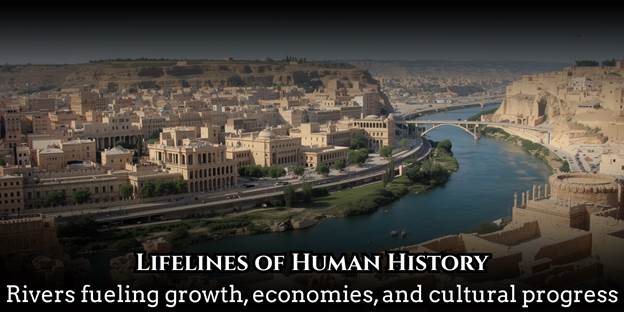
River basins have always been the foundation of human civilizations, serving as fertile grounds for settlement, agriculture, and trade. From the banks of the Nile to the Indus and the Tigris-Euphrates, the world’s earliest societies thrived in these regions, making river basins the true cradle of cultures and economies. They not only provided fresh water and food but also shaped political power, spiritual beliefs, and cultural identities.
Table of Contents
This article explores the historical significance of river basins, their role in building economies, and the benefits and challenges they continue to hold in the modern era. We will examine definitions, examples, and the lasting impact of river basins on human history and development. By the end, you will understand why river basins are far more than geographical features they are living symbols of human progress and survival.
What are River Basins?
A river basin is the land area drained by a river and its tributaries, directing rainfall and snowmelt toward a common outlet such as an ocean or lake. River basins are vital hydrological systems that distribute water and nutrients across regions. They also provide fertile soil, making them perfect for agricultural expansion. Because of this, many civilizations chose to settle near river basins, laying the foundation for organized societies.
The Role of River Basins in Ancient Civilizations
The Nile Basin: Egypt’s Lifeline
The Nile River Basin was central to the rise of Ancient Egypt. Its predictable floods enriched farmland, making Egypt one of the world’s earliest breadbaskets. Without the Nile, the Egyptian economy, architecture, and even spiritual traditions might not have flourished.
Mesopotamia and the Tigris-Euphrates Basin
Mesopotamia, widely regarded as the “Cradle of Civilization,” emerged in the fertile lands between the Tigris and Euphrates rivers. This basin gave birth to urban planning, writing, and organized governance, proving how river basins nurtured innovation.
The Indus River Basin: A Hub of Trade and Culture
The Indus Valley Civilization thrived because of fertile floodplains. Cities like Mohenjo-Daro and Harappa developed advanced drainage and trade systems, illustrating the prosperity river basins could bring.
Economic Importance of River Basins in Human History
River basins are not just physical landscapes but engines of economic growth. Their fertile soils supported agriculture, while waterways enabled transportation and trade. Over time, these functions helped societies develop strong economies.
- Agriculture: Consistent irrigation and fertile plains sustained crop growth
- Trade: Rivers provided natural highways connecting distant settlements
- Urban Growth: Many cities, both ancient and modern, developed near major river basins
Benefits of River Basins for Societies
River basins offered multiple benefits beyond just food and trade:
- Freshwater for drinking and sanitation
- Biodiversity that supported hunting, fishing, and gathering
- Natural defense barriers from surrounding landscapes
- Cultural inspiration influencing art, music, and religious traditions
These benefits made river basins essential to the survival and growth of early civilizations.
Challenges Faced by River Basin Civilizations
Despite their benefits, river basins also presented difficulties:
- Flooding: While fertile, excessive floods sometimes destroyed crops and settlements
- Competition: River basins attracted many groups, often leading to conflicts over resources
- Environmental Degradation: Overuse of land and water sometimes caused long-term damage
These challenges remind us that while river basins supported life, they also demanded careful management.
Modern Relevance of River Basins
Even today, river basins remain vital. They provide water to billions of people, support hydroelectric power, and sustain modern agriculture. Cities such as Cairo, Karachi, and Baghdad still rely on ancient river systems for survival. In addition, river basins are central to climate adaptation strategies, as they regulate water cycles and protect against droughts.

Famous River Basins that Shaped Human Civilizations
- Nile Basin Egypt’s agriculture and culture
- Indus Basin Ancient South Asian trade and cities
- Tigris-Euphrates Basin Mesopotamian innovation
- Yellow River Basin Birthplace of early Chinese culture
- Amazon Basin Though less ancient, a vital modern ecosystem
Conclusion
River basins have always been more than landscapes they are the lifelines of human history. From the fertile banks of the Nile to the bustling trade routes of the Indus, civilizations have flourished where water shaped land and life. Today, these same basins continue to support billions, fueling agriculture, cities, and economies. Recognizing their historical and modern significance helps us appreciate their role as both cultural foundations and future lifelines. To understand civilizations, one must look first at the river basins that made them possible.