
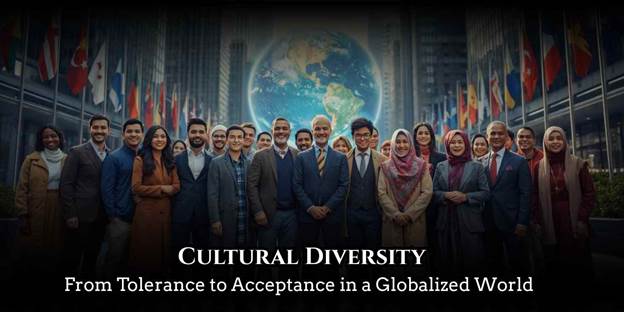
The Day of Respect for Cultural Diversity serves as a global reminder that our world thrives when we not only tolerate but fully accept our differences. While tolerance is a vital first step, true harmony begins with acceptance embracing the uniqueness of others as valuable contributions to our shared humanity. As societies grow increasingly interconnected, understanding cultural diversity becomes essential for building inclusive communities and workplaces.
Table of Contents
This article explores how we can move from passive tolerance to active acceptance, the significance of this transformation, and its real-world impact on relationships, organizations, and nations. We’ll delve into the meaning of cultural diversity, its challenges, and how global initiatives inspired by the Day of Respect for Cultural Diversity can foster genuine inclusion and mutual respect.
1. Day of Respect for Cultural Diversity: A Celebration Beyond Differences
The Day of Respect for Cultural Diversity is observed worldwide to honor the values of unity, equality, and intercultural understanding. Originating from movements that emphasized human rights and indigenous heritage, this day has evolved into a celebration of shared humanity. It encourages people to reflect on how cultural identity shapes behavior, communication, and perception.
Moving from tolerance to acceptance means going beyond merely “putting up with” differences. It means recognizing diversity as a source of strength and learning. By celebrating this day, we remind ourselves that every culture contributes to the global mosaic of human experience.
2. Understanding the Difference: Tolerance vs. Acceptance
While both tolerance and acceptance relate to diversity, their meanings differ profoundly.
- Tolerance means enduring or allowing the existence of different beliefs or practices, even if one disagrees.
- Acceptance goes deeper it means appreciating and respecting diversity as an essential part of human growth.
In the workplace, for example, tolerance might mean acknowledging cultural differences without bias, while acceptance involves actively learning from those differences and integrating them into organizational culture. On the Day of Respect for Cultural Diversity, we are encouraged to make that vital leap from mere coexistence to genuine appreciation.
3. The Importance of Moving from Tolerance to Acceptance
Promoting acceptance instead of tolerance transforms communities and workplaces into spaces of empathy, collaboration, and mutual growth.
Key benefits of acceptance include:
- Enhanced empathy: Understanding others’ experiences fosters emotional intelligence.
- Inclusive innovation: Teams with diverse perspectives create more effective solutions.
- Stronger relationships: Acceptance builds trust and psychological safety.
- Social harmony: Societies thrive when individuals respect and value cultural variety.
When we truly accept diversity, we build bridges instead of barriers, promoting unity that transcends cultural or linguistic differences.
4. Challenges on the Path to Cultural Acceptance
Achieving cultural acceptance is not without difficulties. Even in diverse societies, biases and stereotypes can linger beneath the surface. Some common challenges include:
- Unconscious bias: People may make assumptions without realizing it.
- Cultural misunderstanding: Misinterpretations can occur due to language or tradition differences.
- Resistance to change: Some individuals find it uncomfortable to adapt to unfamiliar customs.
- Institutional barriers: Systems may unintentionally exclude minority voices.
Overcoming these obstacles requires active education, empathy, and inclusive leadership. The Day of Respect for Cultural Diversity urges communities to face these challenges through dialogue and shared learning.
5. Real-World Examples of Cultural Acceptance in Action
Across the world, countries and organizations are embracing cultural acceptance as a driver of unity and progress.
- Canada’s Multiculturalism Policy actively supports ethnic and cultural integration through national celebrations and educational programs.
- UNESCO’s Global Citizenship Education initiative promotes intercultural understanding in schools and universities.
- Corporate Diversity Programs in companies like Google and Unilever focus on inclusive hiring and cultural competence training.
These examples illustrate how the Day of Respect for Cultural Diversity inspires both governmental and corporate action toward a more equitable world. Acceptance is not theoretical it’s a lived value shaping everyday experiences.

6. How to Foster Acceptance in Everyday Life
Cultural acceptance starts with small, conscious actions that anyone can take.
Here’s how to begin:
- Educate yourself: Learn about different cultures through books, art, and personal interactions.
- Challenge stereotypes: Reflect on biases and question generalizations.
- Practice empathy: Listen to others’ stories without judgment.
- Encourage inclusion: Celebrate diverse festivals, cuisines, and customs in your community or workplace.
- Engage in dialogue: Open communication bridges cultural gaps and builds understanding.
On the Day of Respect for Cultural Diversity, such actions reflect a commitment to celebrating what makes each individual unique and valued.
7. The Role of Education in Building Acceptance
Education plays a central role in transforming tolerance into acceptance. Schools and universities that teach cultural awareness nurture global citizens who value diversity. Programs that include cross-cultural exchange, multilingual education, and inclusive history curricula help students appreciate how interconnected the world truly is.
When education systems prioritize diversity, they raise generations that view differences as opportunities, not threats. This approach aligns perfectly with the mission of the Day of Respect for Cultural Diversity, encouraging lifelong learning, open-mindedness, and compassion.
8. The Future of Cultural Diversity Awareness
The future demands that societies move beyond symbolic gestures toward genuine inclusion. As technology connects us globally, cultural awareness must evolve from tolerance-based policies to acceptance-driven practices. Organizations will increasingly adopt diversity equity and inclusion (DEI) models, using data to ensure fair representation and belonging.
The Day of Respect for Cultural Diversity will continue to inspire initiatives that strengthen intercultural empathy and shared progress. Acceptance is the foundation for a more peaceful, respectful, and globally conscious future.
Conclusion
The Day of Respect for Cultural Diversity reminds us that acceptance is the true goal of diversity awareness. While tolerance keeps peace, acceptance builds harmony. It empowers individuals and societies to embrace differences with compassion, creating a world that thrives on understanding. To move forward, we must celebrate every culture not as “other,” but as essential to our collective identity. Let’s transform tolerance into acceptance through education, empathy, and action ensuring that the spirit of this important day continues to shape a brighter, more inclusive tomorrow.