Ocean deoxygenation is the progressive decline of dissolved oxygen across the planet’s seas and it is accelerating faster than most people realize. Driven primarily by rising water temperatures and nutrient pollution, this crisis is expanding underwater dead zones, destabilizing fisheries, and weakening the ocean’s ability to regulate global climate.
Table of Contents
If you have heard of ocean acidification and coral bleaching but not oxygen loss, you are not alone. Researchers at the International Union for Conservation of Nature (IUCN) describe it as one of the most severe yet underreported consequences of human-caused environmental change.
This guide consolidates the science, the regional evidence, the climate feedback mechanisms, and the practical solutions into a single resource written to help readers, students, journalists, and policymakers understand the full scope of this underwater emergency.
What Causes Ocean Deoxygenation?
Ocean deoxygenation occurs when dissolved oxygen concentrations in seawater fall below the levels marine organisms need to survive. Two primary mechanisms drive this decline:
Thermal oxygen loss. Warmer water physically holds less dissolved gas. As global surface temperatures climb, oceans absorb excess atmospheric heat and their oxygen-carrying capacity drops accordingly. Data from NOAA’s Global Ocean Monitoring Program confirms that sea surface temperatures have been setting consecutive records since 2023.
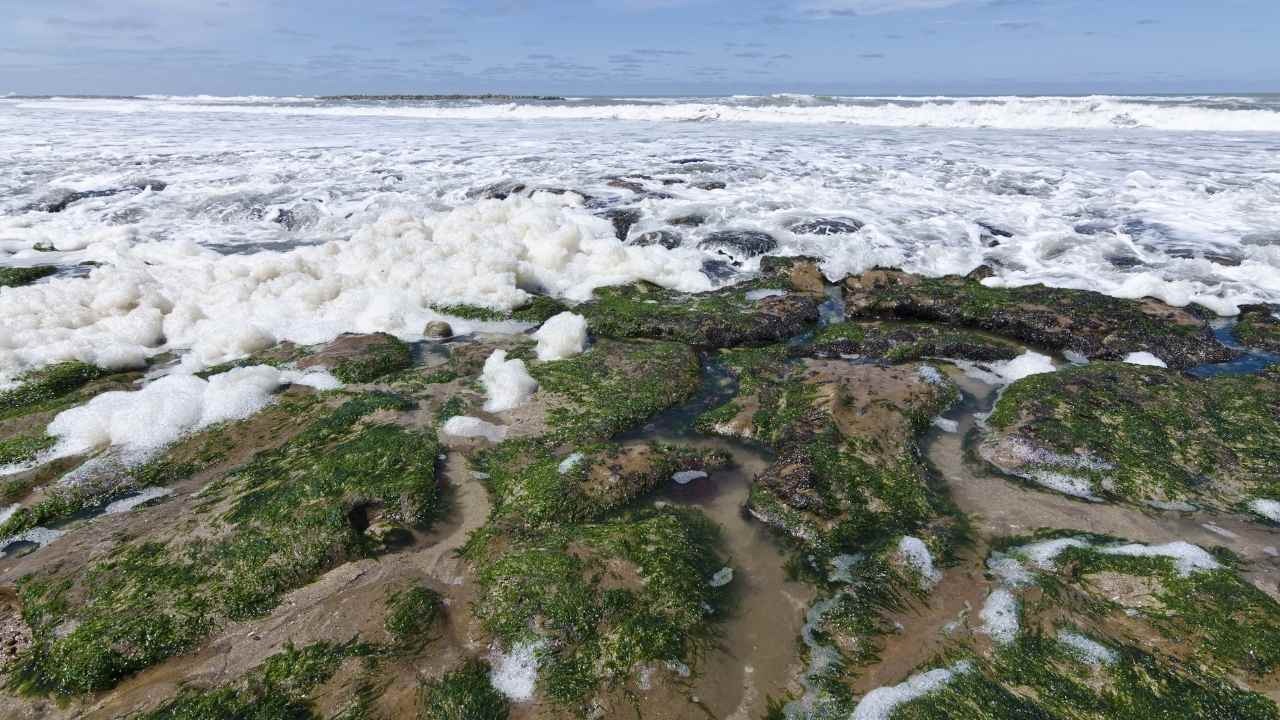
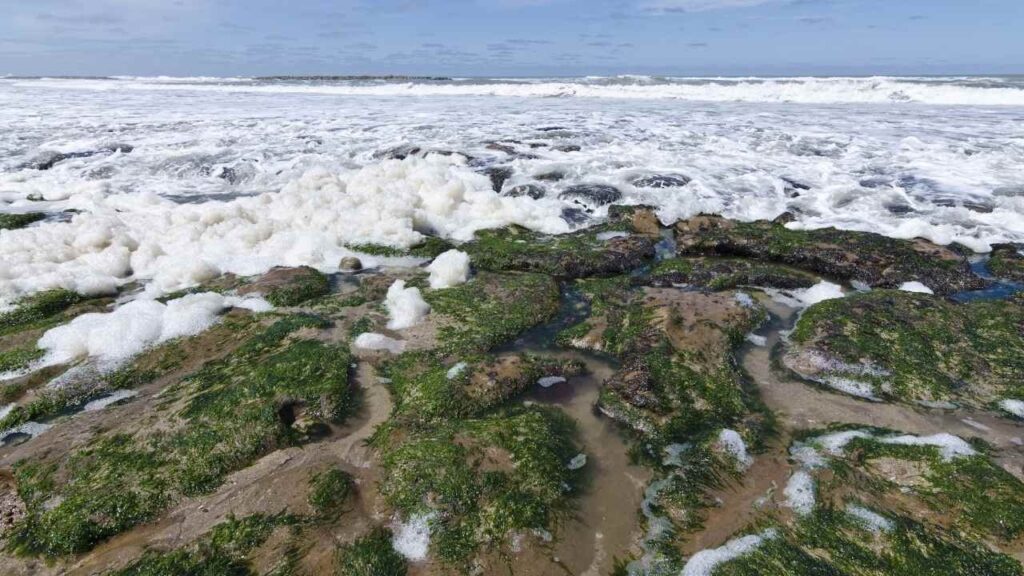
Nutrient-driven oxygen consumption. Agricultural fertilizers, untreated sewage, and industrial discharge flood coastal waters with nitrogen and phosphorus. These nutrients trigger explosive algal blooms. When the algae die and decompose, bacteria consume enormous quantities of oxygen a process scientists call eutrophication.
Together, these forces create oxygen minimum zones (OMZs) vast stretches of suffocating water where most complex marine life cannot persist.
How Much Oxygen Have the Oceans Already Lost?
The numbers are sobering. According to research compiled by the Intergovernmental Oceanographic Commission (IOC-UNESCO), global ocean oxygen content has dropped by roughly two percent since the 1960s. That may sound modest, but it translates to billions of tonnes of dissolved oxygen removed from marine ecosystems within a single human lifetime.
Coastal dead zones areas where oxygen has fallen so low that fish, crabs, and shellfish either flee or perish have multiplied from fewer than 50 documented sites in the 1960s to over 400 today, based on assessments published in the journal Science.
| Indicator | 1960s Baseline | Current Status |
| Global ocean oxygen decline | Baseline (0%) | Approximately 2% total loss |
| Documented coastal dead zones | Fewer than 50 | Over 400 worldwide |
| Volume of oxygen-depleted water | Baseline | Quadrupled since 1960 |
| Projected further loss by 2100 | 3–4% under moderate warming scenarios |
These figures establish ocean deoxygenation not as a future risk but as an active, measurable crisis.
Why Falling Ocean Oxygen Devastates Marine Ecosystems
Dissolved oxygen is the underwater equivalent of breathable air. When concentrations drop, the consequences cascade through every level of the marine food web.
Large pelagic species like tuna, marlin, and certain shark populations require consistently high oxygen levels to sustain their metabolisms. As habitable water volumes shrink, these animals compress into narrower bands of oxygenated ocean, making them simultaneously more vulnerable to overfishing and more likely to experience physiological stress.
Coral reef systems face compounded pressure. Thermal stress already triggers bleaching events, and oxygen depletion further weakens coral tissue recovery. Research from the Smithsonian Tropical Research Institute has documented mass die-offs in reef communities exposed to simultaneous warming and hypoxia.
Bottom-dwelling organisms worms, crabs, mollusks often cannot relocate quickly enough and suffocate in place. Meanwhile, certain anaerobic microbes thrive in low-oxygen conditions, producing hydrogen sulfide and further poisoning surrounding habitats.
Global Dead Zone Hotspots: Where Oxygen Loss Hits Hardest
Ocean deoxygenation is a planetary phenomenon, but certain regions face disproportionate impact due to geography, temperature patterns, and pollution loads.
| Region | Primary Driver | Scale of Impact |
| Gulf of Mexico | Mississippi River agricultural runoff | Dead zone exceeds 15,000 km² in peak summer months |
| Baltic Sea | Industrial and agricultural nutrient loading | Among the most oxygen-starved large water bodies on Earth |
| Arabian Sea | Rapid warming combined with monsoonal nutrient cycling | Hosts one of the planet’s thickest oxygen minimum zones |
| Bay of Bengal | Stratification from freshwater river input | Expanding low-oxygen layer threatening regional fisheries |
| Chesapeake Bay, USA | Fertilizer and urban stormwater runoff | Seasonal hypoxia recurring annually for decades |
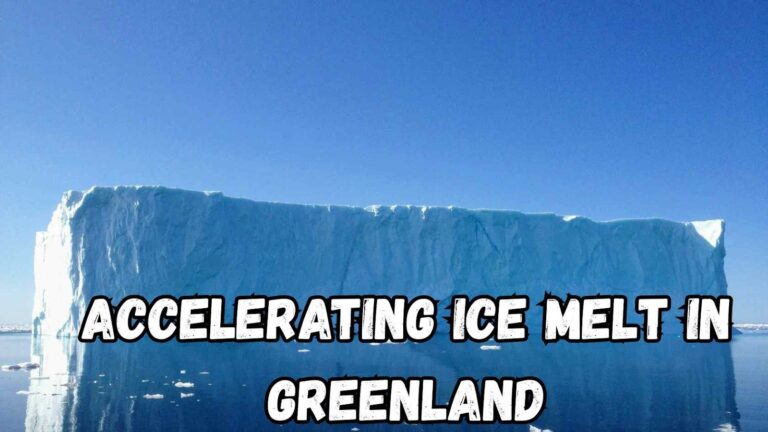
| Arctic Ocean | Accelerated ice melt increasing surface freshwater stratification | Reduced vertical oxygen mixing as ice cover disappears |
Each of these hotspots tells the same story through a different lens: human activity is stripping oxygen from the waters that billions of people and countless species depend upon.
The Climate Feedback Loop: How Oxygen Loss Worsens Global Warming
Ocean deoxygenation is not simply a symptom of climate change it actively accelerates warming through multiple feedback pathways.
Oxygen-depleted waters shift microbial metabolism toward processes that release nitrous oxide, a greenhouse gas approximately 300 times more potent than carbon dioxide over a century. The IUCN ocean deoxygenation report flags this as a significant and growing source of atmospheric warming agents.
Phytoplankton microscopic marine plants responsible for generating roughly half of Earth’s oxygen according to NASA Earth Observatory depend on nutrient mixing driven by healthy ocean circulation. As stratification increases and oxygen drops, phytoplankton productivity declines, weakening both oceanic carbon absorption and atmospheric oxygen replenishment.
This creates a reinforcing spiral: warming reduces oxygen, reduced oxygen amplifies warming, and the ocean’s capacity to buffer climate disruption erodes with each cycle.
How Scientists Monitor Dissolved Ocean Oxygen
Tracking oxygen loss across a body of water covering 361 million square kilometers demands sophisticated technology and international coordination.
- Autonomous Argo floats over 4,000 robotic instruments drift through the world’s oceans measuring temperature, salinity, and increasingly, dissolved oxygen at depths up to 2,000 meters. The Argo Program represents the backbone of global ocean observation.
- Satellite remote sensing orbital instruments measure sea surface temperature and chlorophyll concentrations, which serve as proxies for oxygen conditions and algal bloom activity.
- Deep-sea sensor arrays fixed monitoring stations on the seafloor record long-term oxygen trends in critical zones like the Eastern Tropical Pacific.
- Underwater autonomous gliders these torpedo-shaped robots traverse ocean transects collecting continuous oxygen profiles that fill gaps between float measurements.
- Computational ocean models institutions like NOAA’s Geophysical Fluid Dynamics Laboratory run climate simulations that project future oxygen loss under various emission scenarios.
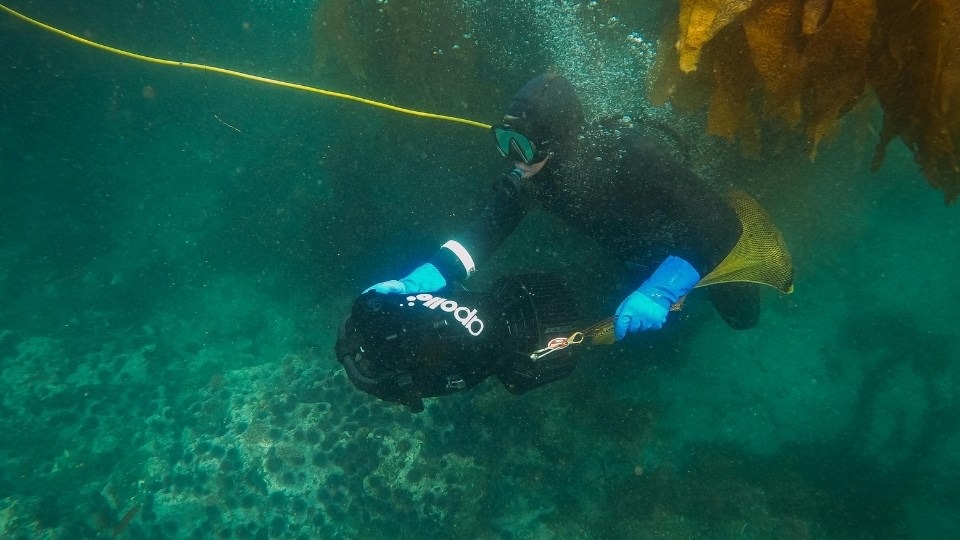
The Global Ocean Oxygen Network (GO2NE), coordinated through UNESCO’s IOC, brings together researchers from over 30 nations to synthesize this data into actionable policy guidance.
Practical Solutions to Slow and Reverse Ocean Oxygen Loss
Restoring ocean oxygen requires attacking both root causes simultaneously greenhouse gas emissions and nutrient pollution.
Emissions reduction remains the most impactful lever. Every fraction of a degree of avoided warming translates directly into preserved dissolved oxygen. The Intergovernmental Panel on Climate Change (IPCC) has emphasized that holding warming below 1.5°C would significantly limit future oxygen decline compared to higher-emission pathways.
Agricultural reform is equally critical for coastal dead zones. Precision fertilizer application, cover cropping, riparian buffer zones, and constructed wetlands all reduce the nitrogen and phosphorus loads reaching waterways. The U.S. EPA Nutrient Pollution Task Force provides frameworks for state and local implementation.
Coastal habitat restoration replanting mangrove forests, seagrass beds, and salt marshes creates natural filtration systems that intercept nutrients before they reach open water while simultaneously generating oxygen through photosynthesis.
Marine protected areas (MPAs) give stressed ecosystems space to recover. Research published by the Marine Conservation Institute shows that well-enforced MPAs can rebuild local biodiversity and improve water quality metrics within a decade.
Sustained research funding ensures monitoring networks continue operating and models keep improving. Without ongoing data, policymakers are flying blind.
Conclusion: The Ocean’s Oxygen Crisis Demands Immediate Collective Response
Ocean deoxygenation sits alongside warming and acidification as one of three interconnected forces reshaping marine ecosystems at a pace not seen in millions of years. Dead zones are multiplying, fisheries are destabilizing, and the ocean’s role as a climate regulator is weakening.
The science is unambiguous. The solutions cutting emissions, reforming agriculture, restoring coastal habitats, expanding marine protections, and funding observation networks are well understood and technically achievable.
What remains missing is the speed and scale of action. If this article sharpened your understanding of ocean oxygen loss, share it with someone who needs to see these numbers. Awareness is the precondition for political will, and political will is the precondition for meaningful change.
What is ocean deoxygenation in simple terms?
Ocean deoxygenation means the world’s oceans are gradually losing dissolved oxygen due to rising water temperatures and pollution. Lower oxygen makes it harder for fish, corals, and other marine organisms to breathe and survive, leading to the spread of underwater dead zones.
What causes ocean dead zones?
Dead zones form when excessive nutrients primarily nitrogen and phosphorus from agricultural fertilizer and sewage enter coastal waters and fuel massive algal blooms. As these algae die and decompose, bacteria consume the available oxygen, dropping concentrations below the level most marine species can tolerate.
How does ocean deoxygenation affect humans?
Oxygen-depleted oceans reduce fish stocks that feed billions of people globally, threaten coastal tourism economies, and weaken the ocean’s ability to absorb carbon dioxide. Communities dependent on small-scale fishing are often the hardest hit, facing both food insecurity and economic loss.
Can ocean deoxygenation be reversed?
Partial reversal is achievable but requires decades of sustained effort. Cutting greenhouse gas emissions slows ocean warming, while reducing nutrient runoff allows coastal dead zones to recover. Some regions, like parts of the Black Sea, have shown measurable oxygen recovery after pollution controls were implemented.
Where are the worst ocean dead zones located?
The Gulf of Mexico, Baltic Sea, Arabian Sea, and Bay of Bengal host some of the largest and most persistent low-oxygen zones on Earth. Coastal areas near major river deltas carrying agricultural runoff are especially vulnerable to seasonal dead zone formation.
How much oxygen have the oceans lost so far?
Global ocean oxygen content has declined by approximately two percent since the 1960s, according to data compiled by the Intergovernmental Oceanographic Commission. While two percent sounds small, it represents an enormous volume of dissolved gas removed from marine ecosystems, with the rate of loss continuing to accelerate under current warming trends.