Climate change and inequality are two deeply entangled forces that are reshaping the future of communities worldwide. While rising temperatures and extreme weather events spare no country entirely, the damage they cause is distributed in profoundly unequal ways. The poorest and most marginalized populations consistently absorb the worst impacts, despite contributing the least to the crisis. According to the IPCC Sixth Assessment Report, between 3.3 billion and 3.6 billion people currently live in countries that are highly vulnerable to climate impacts, with hotspots concentrated across Sub-Saharan Africa, South Asia, Central and South America, and Small Island Developing States (IPCC AR6 Synthesis Report, 2023).
Table of Contents
This article examines how climate change and social justice intersect, why environmental harm falls unevenly across income levels, gender, and geography, and what evidence-based solutions can create a more equitable and resilient world.
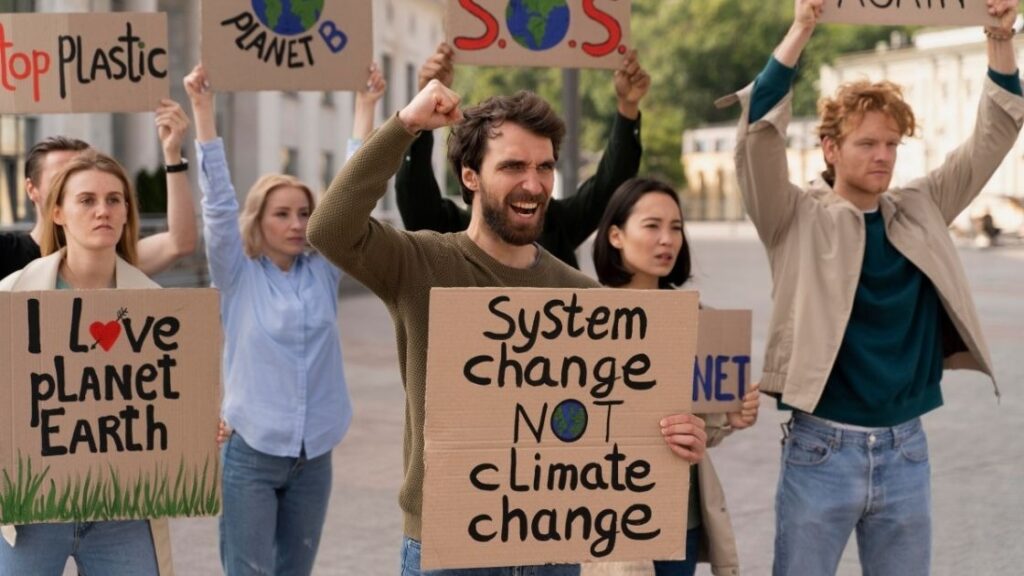
What Does Climate Change and Inequality Actually Mean?
At its core, climate change and inequality describes the uneven distribution of environmental harm across different social and economic groups. Every nation feels the effects of a warming planet, but the consequences are far from equal. Communities with limited financial resources, weaker infrastructure, and restricted political influence face greater exposure to floods, heatwaves, droughts, and food insecurity, while possessing the least capacity to recover or adapt.
This concept goes beyond environmental science. It sits at the crossroads of economic disparity, environmental justice, human rights, and sustainable development. When we examine climate change and social justice together, the picture sharpens further. Social justice demands fairness, equity, and universal access to clean air, safe water, and stable shelter. Climate impacts threaten all of these basic rights, and they do so most aggressively in communities already weakened by poverty, discrimination, or political exclusion.
The Historical Roots of Climate Inequality
The unequal nature of today’s climate crisis has deep historical origins. Industrial growth in wealthier nations over the past two centuries drove the overwhelming majority of greenhouse gas emissions, while poorer regions contributed the least yet suffered the most severe consequences. Research conducted by Oxfam with the Stockholm Environment Institute found that the richest 10 percent of the global population accounted for over half of all carbon emissions added to the atmosphere between 1990 and 2015, while the richest one percent alone were responsible for 15 percent of emissions during this period (Oxfam: Confronting Carbon Inequality, 2020).
More recent data paints an even starker picture. In 2019, the richest one percent produced the same greenhouse gas emissions as the world’s five billion poorest people, representing 66 percent of the global population (Oxfam: Climate Equality Report, 2023). This extreme carbon inequality means that the people who did the least to cause the crisis are paying the highest price for it, a dynamic that lies at the heart of every conversation about climate change and inequality.
The IPCC has formally acknowledged this structural injustice, noting that present development challenges causing high vulnerability are influenced by historical and ongoing patterns of inequity such as colonialism, especially for many Indigenous Peoples and local communities (IPCC Working Group II, 2022).
Why Climate Change and Inequality Matters for Global Stability
The relationship between climate stress and inequality poses a direct threat to long-term global development and stability. A single climate disaster can wipe out decades of economic and social progress by pushing vulnerable families deeper into poverty, destroying livelihoods, displacing entire communities, and overwhelming already fragile health systems.
The World Bank has quantified this threat in concrete terms. Their research estimates that up to 132 million people will be pushed into extreme poverty by climate change by 2030 (World Bank: Climate Change and Poverty, 2020). The primary pathways include increased disease prevalence driven by warming temperatures, rising food prices caused by crop failures, and damage from storms and floods that devastate assets and infrastructure in the poorest regions. In fact, climate-driven diseases alone could force up to 44 million people into extreme poverty, while food price shocks remain the most uncertain yet potentially devastating channel (World Bank Research Paper, 2020).
The ripple effects extend further still: mass migration, increased conflict over scarce resources, spiraling food costs, and widening gaps between wealthy and developing nations. By 2030, crop yield losses could mean that food prices would be 12 percent higher on average in Sub-Saharan Africa, placing enormous strain on poor households who spend as much as 60 percent of their income on food (World Bank: Shock Waves Report, 2015). When climate policies ignore equity, they risk reinforcing the very disparities they should be solving.
How Climate Impacts Fall Unevenly on Communities
One of the most visible dimensions of climate change and inequality is the dramatically different ways climate hazards affect people depending on their income, location, gender, and age.
Disproportionate Exposure in Vulnerable Regions
Low-income communities are far more likely to live in high-risk areas such as floodplains, informal settlements near industrial zones, or arid regions vulnerable to prolonged drought. The IPCC confirmed this pattern with devastating clarity: mortality from storms, floods, and droughts was 15 times higher in countries with high vulnerability to climate change than in those with very low vulnerability between 2010 and 2020 (WRI: Top Findings from IPCC AR6, 2023). Global hotspots of high human vulnerability are found particularly in West, Central, and East Africa, South Asia, Central and South America, Small Island Developing States, and the Arctic (IPCC Working Group II, 2022).
The Adaptive Capacity Gap
Wealthier households and nations can invest in flood defenses, air conditioning, crop insurance, and early warning systems. They can relocate when conditions become dangerous. Poorer communities often lack these options entirely. Without access to insurance, technology, emergency services, or savings, they recover slowly from disasters and frequently fall into deeper cycles of vulnerability and economic hardship. The IPCC notes that those with climate-sensitive livelihoods and precarious livelihood conditions are often least able to adapt, afforded limited adaptation opportunities, and have little influence on decision making (IPCC Chapter 8: Poverty, Livelihoods and Sustainable Development, 2022).
Gender, Age, and Intersecting Vulnerabilities
Women in many developing countries bear primary responsibility for water collection, food production, and family care, all of which become harder as the climate shifts. Children and elderly populations face elevated health risks from heat exposure, malnutrition, and waterborne diseases. The IPCC notes that vulnerability at different spatial levels is exacerbated by inequity and marginalization linked to gender, ethnicity, low income, or combinations thereof (IPCC Working Group II Summary for Policymakers, 2022). Climate-related health effects are already significant: the World Bank estimates that by 2030, climate’s negative health effects could drive at least 44 million people into extreme poverty (World Bank: Health and Climate Change, 2025).
The Carbon Inequality Problem: Who Causes the Crisis vs. Who Suffers
Perhaps the most striking aspect of climate change and inequality is the gulf between who creates the problem and who bears its consequences. The IPCC’s Sixth Assessment Report stated that households with incomes in the top 10 percent emit upwards of 45 percent of the world’s greenhouse gases, while families earning in the bottom 50 percent account for 15 percent at most (WRI: Top Findings from IPCC AR6, 2023).
Oxfam’s research takes this further, revealing that the emissions of the richest one percent are enough to cause an estimated 1.3 million heat-related deaths by the end of the century, as well as 44 trillion dollars of economic damage to low- and lower-middle-income countries by 2050 (Oxfam: Climate Plunder Report, 2025). The impacts of these climate damages fall disproportionately on people in the Global South, women, girls, and Indigenous groups, populations that have done the least to fuel the crisis.
Additional Oxfam research reveals that the emissions of the richest one percent have caused crop losses that could have provided enough calories to feed 14.5 million people annually between 1990 and 2023, a figure projected to rise to 46 million people per year by 2050 (Oxfam UK: Carbon Inequality Kills, 2024). Furthermore, annual emissions grew by 60 percent between 1990 and 2015, with the richest five percent responsible for over a third of this growth (Oxfam: Confronting Carbon Inequality, 2020).
This carbon inequality is not just a statistical abstraction. It represents a fundamental failure of justice, and it is why conversations about climate change and social justice have become central to international climate negotiations.
Types of Climate Justice That Address Inequality
Scholars and advocates working at the intersection of climate change and inequality have identified several distinct forms of justice that must operate together for meaningful progress.
Procedural Justice
This ensures that affected communities have a meaningful voice in the decisions shaping their futures. Too often, climate policies are designed without input from the people most impacted. When marginalized groups are excluded from planning and policymaking, the resulting strategies tend to overlook their needs.
Distributive Justice
This focuses on the fair allocation of resources, including clean energy access, disaster relief funds, adaptation technology, and economic opportunities. It asks whether the benefits and costs of climate action are shared equitably across society.
Recognitional Justice
This calls for acknowledging the unique experiences and knowledge of different groups. Indigenous communities, for example, hold generations of environmental knowledge that can inform sustainable land management, yet their expertise is frequently sidelined in mainstream climate policy.
Intergenerational Justice
This considers the rights of future generations. The choices made today about emissions, land use, and resource consumption will determine what kind of planet younger and unborn generations inherit. This long-term perspective is central to both climate change and inequality discussions and the broader vision of sustainable development.
Structural Drivers That Deepen the Climate Inequality Gap
Several systemic factors continue to intensify unequal climate outcomes, making it clear that climate change and inequality cannot be resolved through environmental action alone.
Unequal access to infrastructure and basic services means that some communities have reliable roads, hospitals, and communication networks that help them prepare for disasters, while others do not. Limited political representation means that marginalized groups often have little influence over the policies that affect them most.
Dependence on climate-sensitive livelihoods such as rain-fed agriculture or fishing makes certain populations especially vulnerable to shifting weather patterns. Weak education and health systems reduce people’s ability to understand risks and protect themselves. And the absence of inclusive climate policies means that many adaptation efforts simply do not reach the people who need them most.
The IPCC reinforces this finding, noting that future human vulnerability will continue to concentrate where the capacities of local, municipal, and national governments are least able to provide infrastructure and basic services. Under the global trend of urbanization, vulnerability will also concentrate in informal settlements and rapidly growing smaller settlements (IPCC Working Group II, 2022). Meanwhile, in rural areas, vulnerability will be heightened by compounding factors including high emigration, reduced habitability, and heavy reliance on climate-sensitive livelihoods (IPCC Chapter 8, 2022).
Benefits of Integrating Equity Into Climate Action
When climate strategies are designed with fairness at their core, the benefits extend far beyond environmental protection.
Communities become more resilient as a whole because supporting vulnerable groups reduces the overall cost and disruption of disasters. Livelihoods are strengthened when climate-smart agriculture, renewable energy access, and diversified economic opportunities reach those who need them most. Public health improves when cleaner air, safer water, and better nutrition become available to underserved populations. Social cohesion deepens when people feel their government and institutions are working for everyone.
Addressing climate change and social justice also supports broader sustainable development goals. Reducing emissions while simultaneously reducing poverty creates a reinforcing cycle where environmental progress and human well-being advance together. As the IPCC states, adaptation interventions and transformative solutions that prioritize inclusive and wide-ranging climate resilient development and the reduction of poverty and inequality are increasingly seen as necessary to minimize loss and damage from climate change (IPCC Chapter 8, 2022).
Challenges Standing in the Way of Climate Equity
Despite growing awareness, significant obstacles remain. Climate finance continues to favor large-scale mitigation projects such as renewable energy installations in middle-income countries over community-level adaptation in the poorest and most vulnerable regions. The IPCC warns that the losses and damages caused by climate change which cannot be adapted to are strongly concentrated among the poorest vulnerable populations who have done the least to cause the problem (The Conversation: How Inequality Makes Climate Impacts Worse, 2023).
Political resistance from industries and stakeholders with vested interests in fossil fuels slows the pace of reform. Oxfam’s research found that the number of lobbyists from fossil fuel companies attending the recent COP summit was more than any delegation apart from the host nation (Oxfam: Richest 1% Carbon Budget, 2026). Knowledge gaps persist, particularly in rural and underserved areas where access to education and information about climate risks is limited.
Deep-rooted social inequalities, including poverty, gender discrimination, and ethnic marginalization, make certain populations harder to reach and harder to protect. And coordinating global agreements with local implementation remains a complex governance challenge that demands strong institutions and sustained international cooperation.
Practical Approaches to Reduce Inequality Through Climate Action
Governments, organizations, and communities can take concrete, evidence-based steps to address climate change and inequality in meaningful ways.
Investing in climate-resilient infrastructure in vulnerable areas, including flood barriers, improved drainage, and heat-resistant housing, directly reduces risk for the most exposed populations. Expanding access to clean and affordable energy empowers communities to reduce dependence on polluting fuels while creating new economic opportunities.
Supporting climate-smart agriculture helps farmers adapt through drought-resistant crops, improved irrigation, and sustainable soil management. Strengthening early warning systems gives communities precious time to prepare for storms, floods, and heatwaves. And expanding social safety nets, including cash transfers, food assistance, and health coverage, provides a critical buffer when disasters strike.
At the policy level, inclusive decision-making processes that center the voices of affected communities consistently lead to stronger and more equitable outcomes. International cooperation remains essential, with wealthier nations fulfilling their commitments to climate finance and technology transfer. The World Bank emphasizes that rapid and inclusive development can itself be seen as a form of adaptation, since it substantially reduces the impact of climate change on poverty (World Bank Research Paper, 2020). Meanwhile, scaling up adaptation finance is essential to help communities build infrastructure that can withstand stronger storms, enable safe migration routes, and extend access to healthcare, education, and renewable energy (The Conversation, 2023).
Real-World Examples That Prove Progress Is Possible
Around the world, targeted interventions are already demonstrating that addressing climate change and inequality together produces better results.
One of the most compelling examples comes from Ahmedabad, India, which launched South Asia’s first Heat Action Plan in 2013 after a devastating 2010 heatwave that pushed temperatures to 46.8°C and caused an excess of over 1,300 all-cause deaths in a single month (PMC: Development of South Asia’s First Heat-Health Action Plan, 2014).
Epidemiologists have concluded that the Heat Action Plan helped avert more than 1,000 deaths annually (World Bank: India Urban Heat Lessons, 2024). A recent World Bank study found that extreme heat early warning systems, when coupled with an inter-agency response plan, have benefit-to-cost ratios exceeding 50 to 1 (World Bank: India Urban Heat Lessons, 2024). This model has since been adopted by more than 30 Indian cities and is studied internationally as a template for protecting economically disadvantaged communities (Exemplars in Global Health: Ahmedabad HAP).
In Sub-Saharan Africa, Kenya’s Hunger Safety Net Program prevented a five percent increase in poverty among beneficiaries following the 2011 drought, demonstrating how targeted social protection can shield vulnerable populations from climate shocks (World Bank: Shock Waves Report, 2015).
In Indonesia, the World Bank is partnering with multiple development banks to invest four billion dollars in health system transformation, including energy-efficient medical equipment and telemedicine to ensure continued service delivery during climate shocks, benefiting approximately 273 million Indonesians (World Bank: Health and Climate Change, 2025). Community-led solar energy initiatives in rural areas bring clean power to underserved regions while creating local employment. Urban green space projects in disadvantaged neighborhoods improve air quality, reduce heat, and support mental well-being.
These examples prove that when climate change and social justice are addressed together, the results are more effective, more lasting, and more just.
Building a Fairer and More Resilient Future
Confronting climate change and inequality is not optional. It is essential for creating a stable, just, and sustainable world. The most effective path forward combines climate adaptation with poverty reduction, health improvement, education access, and inclusive governance. It requires sustained commitment from governments, businesses, civil society, and individuals alike.
As the World Bank has stated, ending poverty and fighting climate change cannot be done in isolation, as the two will be much more easily achieved if they are addressed together (World Bank: Shock Waves Report, 2015). By aligning environmental action with equity goals, societies can strengthen resilience, protect livelihoods, and promote progress that benefits everyone. Every fraction of a degree of warming matters, and the window in which to secure a liveable and sustainable future for all is rapidly narrowing (World Economic Forum: IPCC Summary, 2023).
The intersection of climate change and social justice reminds us that no community should be left behind in the transition to a safer and more sustainable future.
How does climate change increase inequality?
Climate change increases inequality because its worst impacts, including crop failures, flooding, heat-related illness, and displacement, fall hardest on low-income communities that lack the resources to adapt or recover. According to World Bank research, climate change could push up to 132 million additional people into extreme poverty by 2030 (World Bank, 2020). One study of 134 countries found that a one-degree increase in temperature leads to a 9.1 percent increase in extreme poverty and a 0.8 percent increase in inequality as measured by the Gini coefficient (World Bank Open Data, 2024).
Who is most affected by climate change and inequality?
The most affected populations include low-income communities, smallholder farmers, women, children, elderly people, Indigenous groups, and residents of Small Island Developing States. The IPCC identifies Sub-Saharan Africa, South Asia, Central and South America, and the Arctic as global hotspots of high human vulnerability (IPCC AR6, 2022).
What is the connection between climate change and social justice?
Climate change and social justice are linked because the communities least responsible for causing the crisis, primarily in the Global South, suffer its worst consequences. The richest one percent of the global population emits as much carbon as the poorest 66 percent, yet the resulting damage falls on those with the fewest resources to cope (Oxfam, 2023).
What is an example of a successful program that addresses climate inequality?
Ahmedabad, India launched South Asia’s first Heat Action Plan in 2013, which has been credited with preventing over 1,000 heat-related deaths annually. The program prioritizes outreach to vulnerable populations such as slum communities and outdoor workers (Exemplars in Global Health).
How can governments reduce climate inequality?
Governments can reduce climate inequality by investing in climate-resilient infrastructure in vulnerable areas, expanding access to clean energy, strengthening social safety nets, supporting climate-smart agriculture, and ensuring that affected communities participate in policy decisions. Integrating poverty reduction with climate adaptation is essential for lasting results (World Bank, 2015).
What role does carbon inequality play in the climate crisis?
Carbon inequality is a central driver of the crisis. Research by Oxfam and the Stockholm Environment Institute shows that the richest 10 percent of people are responsible for half of all global consumption emissions, while the poorest 50 percent account for just 8 percent. This means that the lifestyles and investments of a wealthy minority are fueling a crisis that disproportionately harms billions of the world’s poorest people (SEI and Oxfam).