
Stone pillars rise from the landscape like ancient sentinels, towering columns of rock that tell long geological stories. These natural stone formations appear as rock columns, stone monoliths, or rock spires, sculpted over time by erosion and weathering.
Table of Contents
In this article we define what stone pillars are, explain how they form, explore types such as sandstone pillars and basalt columns, highlight iconic examples, and discuss their scientific and cultural importance.
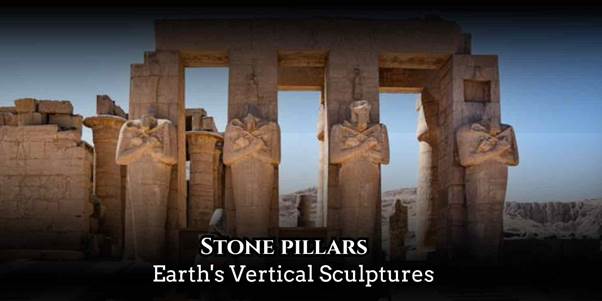
What are Stone pillars and why they fascinate
Definition and core features
Stone pillars are tall vertical rock structures created by differential erosion and the strength of certain rock layers. Often called geological pillars or stone stacks, they can be formed from sedimentary rock pillars, limestone formations, or volcanic rock columns. These natural monuments range from delicate spires to massive monoliths and show distinct sediment layers in pillars.
Visual and geological appeal
The combination of layered textures, columnar shapes, and cliff pillars makes these features striking landscape elements. They reveal past environments, tectonic activity, and the rock erosion process that carved plain rock into towering forms.
How stone pillars form: erosion and weathering processes
Erosion mechanisms and sediment layers
Formation begins with rock exposed to wind and water erosion. Softer layers wear away faster while more resistant layers remain, producing pillar-like rock towers. This rock erosion process is driven by wind and water erosion, freeze thaw cycles, and chemical weathering acting over thousands to millions of years.
Volcanic and sedimentary pathways
Some pillars arise from volcanic activity as columnar basalt cools into uniform basaltic formations or basalt columns, while others are sculpted from sedimentary deposits into sandstone erosion features. Tectonic uplift and joint patterns guide how vertical rock structures develop into natural stone sculptures.
Types and examples of stone pillars
Common categories
• Sandstone pillars found in desert landscapes and national parks
• Basalt columns created by cooling lava flows
• Limestone formations shaped by chemical weathering
• Cliff pillars and sea stacks formed by coastal erosion
Famous natural stone wonders
• Zhangjiajie National Forest Park, China, with towering sandstone pillars
• Giant’s Causeway, Northern Ireland, showcasing hexagonal basalt columns
• Bryce Canyon, USA, known for its hoodoos and sandstone spires
• Meteora, Greece, where natural rock towers host ancient monasteries
These examples demonstrate how different rock types and climates produce unique pillar-like rock formations.
Importance of stone pillars: science, culture, and tourism
Geological and educational value
Stone pillars act as open books of Earth history. Geologists study their rock erosion patterns, sediment layers, and formation mechanics to reconstruct past climates and tectonic events. They also serve as natural laboratories for teaching erosion and weathering.
Cultural and economic benefits
These natural stone wonders attract tourists, photographers, and climbers, supporting local economies. Many stone monoliths become cultural icons or sacred sites, linking human history with geological time.
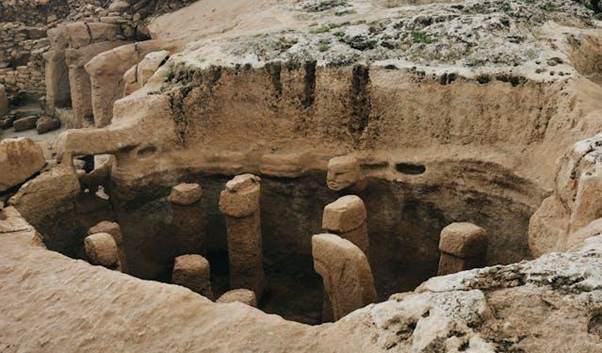
Challenges and conservation of stone pillars
Erosion, instability, and human impact
Although erosion creates pillars it also eventually destroys them. Natural weathering can cause collapse, while human activities accelerate degradation through foot traffic, pollution, and unregulated tourism. Protecting the stone pillars landscape requires careful management and education.
Conservation strategies
• Limit visitor access to sensitive areas
• Monitor erosion rates and rock stability
• Promote sustainable tourism and local stewardship
Such measures help preserve these geological formations for future generations.
Scientific study and ongoing research
Research tools and goals
Researchers use remote sensing, field mapping, and rock dating to measure how pillars evolve. Studies of columnar rock formations and vertical rock structures improve understanding of rock strength and erosion thresholds. This knowledge informs hazard assessment for nearby communities and infrastructure.
Interdisciplinary insights
Paleoclimatology, geomorphology, and cultural studies intersect around stone pillars, offering a holistic view of how Earth’s natural architecture shapes landscapes and human experience.
Conclusion
Stone pillars are more than dramatic scenery; they are records of geological time and testaments to the sculpting power of erosion and tectonics. From sandstone pillars in arid parks to basalt columns along coasts, these vertical rock structures teach us about rock types, climate history, and the slow artistry of nature. Protecting them through science-based management and respectful tourism ensures they remain part of our planet’s natural wonders. Explore nearby sites, learn their stories, and help preserve these tall rock formations for the future.