
As urban areas expand, incorporating greenery into cities has become increasingly crucial. One of the most effective ways to enhance urban environments is through urban forests planned clusters of trees, shrubs, and vegetation integrated within city landscapes. Beyond beautifying neighborhoods, urban forests provide significant ecological, social, and economic benefits, improving quality of life for city dwellers.
This article explores the concept of urban forests, their importance, and how they contribute to healthier, more sustainable urban living.
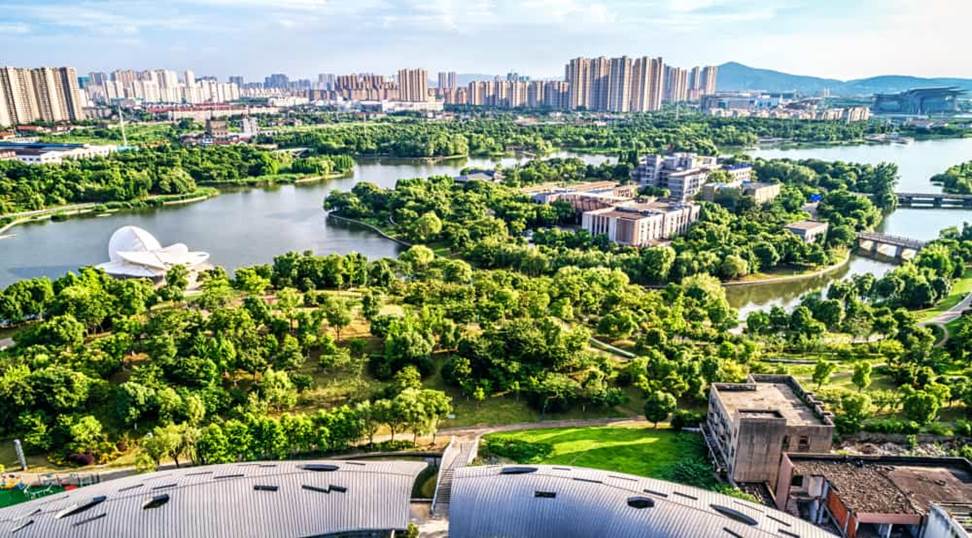
What Are Urban Forests?
Urban forests consist of trees, plants, and green spaces within cities, including parks, street trees, gardens, and green rooftops. Unlike natural forests, these areas are intentionally designed and maintained to coexist with urban infrastructure such as roads, buildings, and public spaces.
These green spaces are more than decorative. Urban forests help filter air pollutants, reduce urban heat, manage stormwater, and provide habitats for wildlife. As urbanization increases, the role of urban forests in maintaining environmental balance becomes vital.
Environmental Benefits of Urban Forests
One of the primary advantages of urban forests is their positive impact on the environment. Trees take in carbon dioxide, emit oxygen, and capture dust and various pollutants, greatly enhancing air quality. They also reduce the urban heat island effect, cooling streets, sidewalks, and buildings, which helps mitigate extreme temperatures.
Urban forests play a role in water management as well. The roots of these trees soak up rainwater, helping to lower the chances of flooding and prevent soil erosion.
Moreover, they provide safe habitats for birds, insects, and other urban wildlife, supporting biodiversity within city limits.
Social and Health Benefits
In addition to their environmental benefits, urban forests greatly influence human health and overall well-being. Spending time in green spaces reduces stress, promotes relaxation, and improves mental health. Residents living near urban forests often report increased physical activity, enhanced mood, and stronger social connections.
Parks and green spaces offer venues for community events, exercise, and leisure activities. By providing spaces for recreation and interaction, urban forests strengthen community ties and foster a sense of belonging among city residents.
Economic Benefits of Urban Forests
Investing in urban forests also yields financial advantages. Properties near tree-lined streets or parks typically have higher market values. The shade from trees reduces energy costs by lowering air conditioning needs in hot months.
Moreover, cities that maintain healthy urban forests tend to draw more tourists and stimulate growth in local businesses. The presence of greenery enhances overall city appeal, making urban areas more desirable for residents, visitors, and investors alike.
Challenges in Maintaining Urban Forests
Despite their benefits, urban forests face several challenges. Urban environments can be harsh for trees due to limited soil space, pollution, and human activity. Maintaining these green spaces requires careful planning, regular pruning, pest management, and protection from disease.
Financial limitations and competing urban development priorities can also hinder the expansion of urban forests. Nonetheless, the long-term ecological, social, and economic advantages make them a valuable investment for sustainable city planning.
Strategies to Promote Urban Forests
Cities worldwide are adopting practical strategies to grow and safeguard urban forests:
- Tree Planting Campaigns – Encouraging residents, businesses, and local authorities to plant and maintain trees in public and private spaces.
- Green Infrastructure – Incorporating green roofs, vertical gardens, and pocket parks to maximize urban greenery.
- Community Involvement – Engaging citizens in tree care, environmental education, and conservation programs.
- Supportive Policies – Implementing regulations and incentives to preserve existing trees and promote sustainable urban planning.
By combining these approaches, cities can ensure that urban forests thrive while providing maximum ecological, social, and economic benefits.
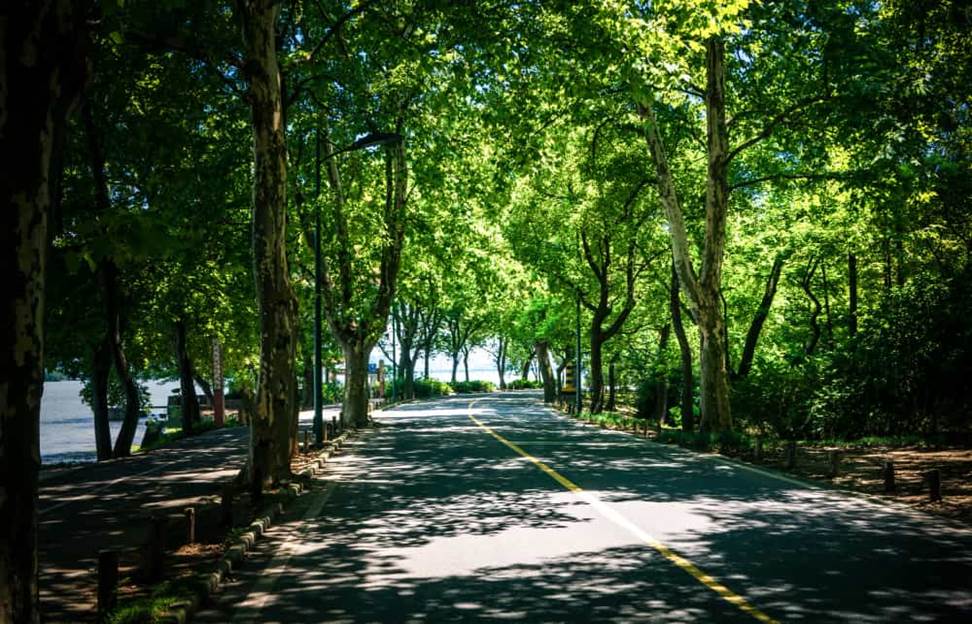
Urban Forests and Climate Resilience
In the era of climate change, urban forests are vital for urban resilience. They reduce heat stress during heatwaves, absorb excess rainwater to prevent flooding, and capture carbon, helping cities lower their carbon footprint.
Integrating urban forests into urban planning supports cities in adapting to extreme weather conditions, improving air quality, and providing refuge for urban wildlife. They are a cost-effective, sustainable solution for creating climate-resilient urban environments.
Conclusion
Urban forests are essential for making cities greener, healthier, and more livable. They improve environmental quality by purifying air, controlling temperature, and managing water. Socially, they enhance mental well-being, promote physical activity, and foster community interaction. Economically, they increase property values, reduce energy costs, and attract tourism and business investment.
Despite challenges in maintenance and urban development, the benefits of urban forests far outweigh the obstacles. By adopting strategic planning, engaging communities, and implementing supportive policies, cities can expand and protect urban forests, ensuring a sustainable and vibrant urban future.
Incorporating urban forests into urban landscapes is more than a visual enhancement—it is a necessary step toward resilient, sustainable, and livable cities for generations to come.