
Standing tall along tropical coastlines, black mangroves are remarkable trees that play a crucial role in protecting fragile marine ecosystems. These resilient plants thrive in salty, oxygen-poor environments where few others can survive. With their distinctive aerial roots and salt-filtering leaves, they serve as natural barriers against coastal erosion, enhance biodiversity, and provide refuge for countless marine species. This article explores their unique adaptations, ecological significance, and how they contribute to maintaining environmental balance. Readers will also discover the threats these mangroves face and why conservation efforts are vital for sustaining healthy wetland ecosystems.
Understanding the Nature of Black Mangroves
Definition and Characteristics
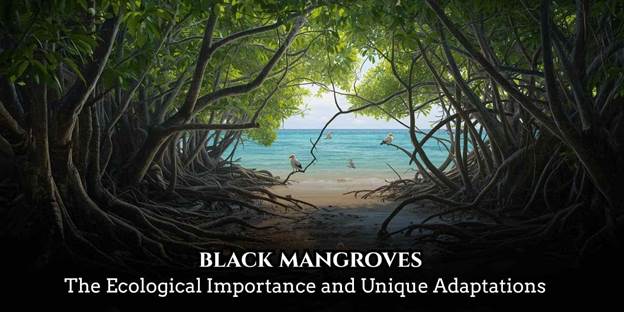
Black mangroves (Avicennia germinans) are salt-tolerant trees thriving in tropical coastal ecosystems. Recognized by dark bark, glossy leaves, and aerial roots called pneumatophores, they absorb oxygen in waterlogged soils. Their salt-excreting leaves highlight remarkable adaptations to saline environments, enabling survival where few plants endure.
Related Article: The Silent Guardians of Nature: Ancient Trees
Historical and Geographical Background
Historically, black mangroves have flourished along the coasts of the Americas, Asia, and Africa, adapting to extreme tides and salinity. Early communities used them for wood, medicine, and fish nurseries. Today, they thrive in the Gulf of Mexico, the Caribbean, and the Indo-Pacific, forming vital mangrove ecosystems that enhance coastal resilience and support marine biodiversity.
Ecological Importance of Black Mangroves
Role in Coastal Protection
One of the most valuable functions of black mangroves is their ability to protect coastlines from erosion and storm surges. Their extensive root systems trap sediments and stabilize the shoreline, reducing damage from tidal waves and floods. They act as living barriers that protect coastal communities, especially during hurricanes and cyclones. These mangrove forests also help mitigate the effects of climate change by sequestering large amounts of carbon dioxide from the atmosphere.
Contribution to Biodiversity
Black mangroves support diverse species of birds, fish, crabs, and insects. Their dense roots and canopy create a safe haven for young marine animals and nesting birds. This natural nursery enhances marine biodiversity and sustains local fisheries. Some key benefits include:
•Providing shelter and breeding grounds for shrimp and juvenile fish
•Acting as feeding zones for migratory birds
•Maintaining ecological balance by filtering water pollutants
These interactions demonstrate how the survival of many coastal organisms depends on the presence of mangrove habitats.
Environmental and Human Benefits
Ecological Services
Black mangroves offer a variety of ecosystem services that extend beyond coastal protection. They play an essential role in:
•Water purification through sediment trapping and nutrient absorption
•Carbon storage, helping reduce greenhouse gas emissions
•Improving soil fertility and preventing saltwater intrusion
Their complex root systems not only secure the soil but also enhance water quality, making coastal zones more resilient and productive.
Socioeconomic Value
For coastal communities, black mangroves offer vital economic and ecological benefits. Their wood supports sustainable livelihoods through fuel and construction use, while the bark’s medicinal value aids traditional healing. The rich habitats sustain fisheries and enhance marine biodiversity. Additionally, ecotourism activities like birdwatching and kayaking attract visitors, boosting local income and promoting environmental conservation.
Adaptations and Survival Strategies
Physiological Adaptations
The resilience of black mangroves is attributed to several unique adaptations:
•Salt excretion through specialized leaf glands
•Pneumatophores that enable oxygen intake in anaerobic soils
•Viviparous germination, allowing seeds to sprout while still attached to the parent tree
These features ensure the species’ survival in harsh, saline, and oxygen-deprived habitats.
Interaction with Other Mangrove Species
In many coastal ecosystems, black mangroves coexist with red and white mangroves. Each species occupies different tidal zones, contributing to the overall health of the mangrove forest. Red mangroves dominate the seaward edge, while black mangroves prefer higher, drier areas. This zonation pattern enhances ecosystem stability and supports a wider range of flora and fauna.
Threats and Conservation Challenges
Human and Environmental Pressures
Despite their ecological importance, black mangroves face numerous threats. Coastal development, pollution, and aquaculture expansion have led to widespread habitat destruction. Rising sea levels and temperature fluctuations caused by global warming further endanger these vital ecosystems. Key challenges include:
•Deforestation for urban and agricultural expansion
•Oil spills and industrial runoff contaminating mangrove soils
•Unregulated tourism affecting fragile habitats
Conservation and Restoration Efforts
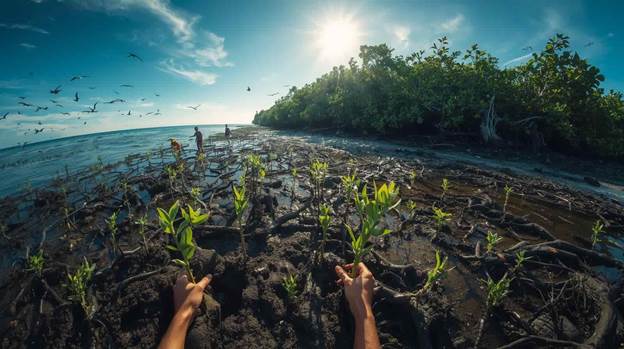
To protect black mangroves, global conservation initiatives are underway. Restoration projects aim to replant degraded areas and educate communities about sustainable coastal management. Governments and NGOs promote mangrove reforestation programs that restore biodiversity and improve climate resilience. Some effective conservation measures include:
•Implementing coastal buffer zones to prevent habitat loss
•Encouraging eco-friendly aquaculture practices
•Monitoring carbon storage capacity for climate mitigation projects
Community involvement remains key to ensuring long-term protection. Local participation in planting, monitoring, and protecting mangroves enhances both environmental and social outcomes.
Real-World Examples and Future Outlook
Global Restoration Success Stories
Several countries have achieved notable success in conserving black mangroves. In Florida and Mexico, restoration programs have revitalized large stretches of coastal forests, improving fish populations and reducing shoreline erosion. In Asia, countries like India and Indonesia have integrated mangrove conservation into their sustainable development strategies, combining ecological restoration with community livelihoods.
Looking Ahead
For coastal communities, black mangroves offer vital economic and ecological benefits. Their wood supports sustainable livelihoods through fuel and construction use, while the bark’s medicinal value aids traditional healing. The rich habitats sustain fisheries and enhance marine biodiversity. Additionally, ecotourism activities like birdwatching and kayaking attract visitors, boosting local income and promoting environmental conservation.
Conclusion
Black mangroves embody nature’s resilience, protecting coastlines, supporting marine life, and sustaining local communities. Their conservation is vital for preserving biodiversity and strengthening natural defenses. As environmental threats grow, global efforts and community action are essential to ensure a sustainable, balanced future for these vital ecosystems.
1 Comment
Add Yours →[…] Related Article: The Ecological Importance and Unique Adaptations of Black Mangroves […]