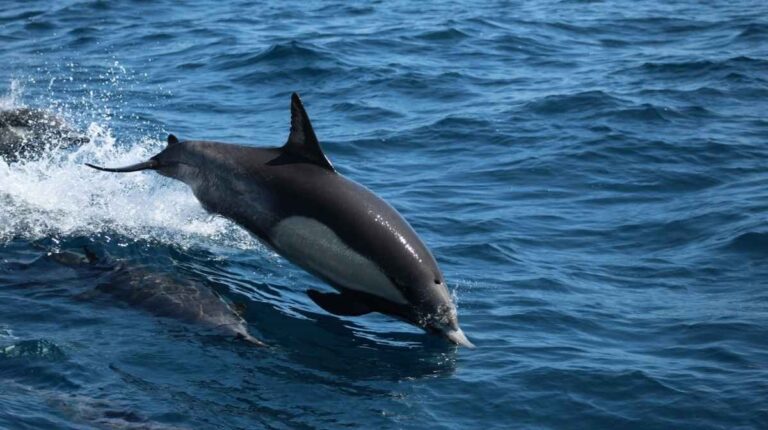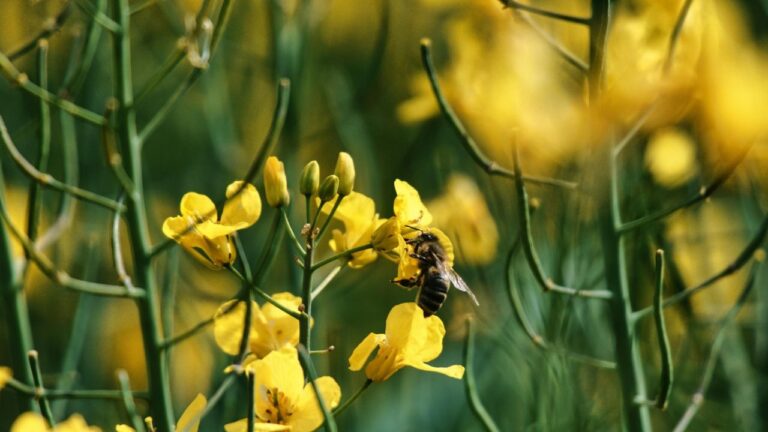
Endemism is the biological condition in which a species, genus, or other taxonomic group exists naturally in only one specific geographic location and nowhere else on Earth. A species can be endemic to a single lake, a mountaintop, an island, or even an entire continent, but the defining feature is always the same: remove that one place, and the species disappears from the planet entirely.
Table of Contents
This concept sits at the heart of conservation biology, evolutionary science, and biodiversity planning. According to Conservation International, the world’s 36 recognized biodiversity hotspots cover just 2.5% of Earth’s land surface yet shelter more than half of all endemic plant species and roughly 43% of endemic terrestrial vertebrates. Understanding endemism is not just an academic exercise; it directly shapes where conservation funding goes and which ecosystems receive legal protection.
This guide covers the full scope of the topic: what endemism means in biology, the different types scientists recognize, the ecological and geological forces that produce endemic species, where the richest concentrations occur, and why protecting these organisms is urgent.

What Does Endemism Mean in Biology?
In simple terms, endemism describes a species whose entire natural range is confined to one defined area. If a plant grows wild only on a single Hawaiian island or a frog breeds exclusively in one Colombian cloud forest, that organism is classified as endemic to that location.
It is important to distinguish endemic from two related but different terms. Native (or indigenous) means a species originated in a region, but it may also live elsewhere. Cosmopolitan describes species distributed across many regions worldwide. Endemism occupies the narrow end of that spectrum: the species exists in one place and one place only.
The word itself traces back to the Greek roots en (in) and demos (people), originally used in medicine to describe diseases constantly present in a region. According to Wikipedia’s entry on endemism, Charles Darwin first applied the term in a biological sense in 1872 to describe species restricted to a particular location.
Types of Endemism
Scientists classify endemic species into several categories based on how and when their restricted distribution arose. Knowing the type helps researchers assess extinction risk and design appropriate conservation responses.
Paleoendemism
Paleoendemic species are ancient organisms that once occupied a much wider range but gradually contracted to a small refuge area. Environmental shifts, competition, or habitat loss over millions of years pushed them into isolated pockets. A classic example is the ginkgo tree (Ginkgo biloba), which fossil records show was once widespread across the northern hemisphere but today survives naturally only in a small area of China.
Neoendemism
Neoendemic species are evolutionarily young. They arose recently through speciation events and simply have not had enough time to spread beyond their point of origin. Many cichlid fish species in Africa’s Rift Valley lakes fall into this category. They diversified rapidly within isolated lake basins and remain confined there.
Other Recognized Subtypes
Beyond these two primary categories, researchers sometimes use finer distinctions:
| Subtype | Definition | Example |
| Schizoendemism | Species that diverged gradually from a common ancestor through geographic isolation | Certain Balkan plant groups |
| Patroendemism | Species arising from chromosomal changes that then colonize broader areas than parent species | Select Mediterranean flora |
| Apoendemism | Derived species occupying a smaller range than their ancestors | Some Canary Islands plants |
| Semi endemism | Species spending only part of their annual cycle in a restricted area | Certain migratory birds |
This classification system, while sometimes debated among taxonomists, gives conservation planners a practical framework for prioritizing which species face the greatest immediate danger.
What Causes Endemism?
Endemism does not happen by accident. It results from a combination of geographic, climatic, and biological forces acting over long timescales. Below are the primary drivers.
Geographic Isolation
Physical barriers are the single most powerful engine of endemism. Islands, mountain ranges, deep valleys, and isolated water bodies prevent species from mixing with outside populations. Over generations, these cut off groups accumulate genetic differences until they become distinct species.
Islands demonstrate this principle most dramatically. According to National Geographic Education, New Zealand’s 80 million years of geographic separation produced staggering levels of uniqueness: over 80% of its vascular plants and more than 90% of its insects are found nowhere else.
Adaptive Radiation
When a species colonizes a new, resource rich environment with few competitors, it can diversify rapidly into multiple forms, each exploiting a different ecological niche. Darwin’s finches in the Galápagos are the textbook case, but adaptive radiation also explains the explosive diversity of Hawaiian honeycreepers, Madagascar’s lemurs, and the cichlid fishes mentioned earlier.
Limited Dispersal Ability
Species that cannot travel far, whether because they lack flight, produce heavy seeds, or depend on very specific habitats, are naturally predisposed to endemism. Flightless insects on oceanic islands, ground dwelling reptiles on isolated mountain plateaus, and freshwater fish in landlocked lakes all share this trait.
Climate Stability and Refugia
Regions with stable climates over geological time often accumulate endemic species because populations there avoided the extinction waves that swept through more volatile areas. The tropical Andes, the Western Ghats of India, and the Cape Floristic Region of South Africa all function as climate refugia with exceptionally high endemism. Research published in Nature by Myers et al. (2000) found that 44% of all vascular plant species and 35% of vertebrate species in four major groups are confined to just 25 hotspot regions covering only 1.4% of the planet’s land area.
Soil and Microhabitat Specialization
Some species evolve to thrive on unusual substrates like serpentine soils, calcium rich limestone outcrops, or mineral laden volcanic ash. Because these substrates occur in patches, the species adapted to them remain geographically restricted. California’s serpentine grasslands, for instance, host dozens of plant species found on no other soil type.
Where Are the World’s Richest Centers of Endemism?
Endemic species are not spread evenly across the globe. They cluster in regions where isolation, climate stability, and habitat complexity overlap. These concentrations form the basis of what conservation scientists call biodiversity hotspots.
Tropical Islands
Oceanic islands consistently rank among the most endemic rich places on Earth. Madagascar alone hosts over 11,000 plant species, roughly 80% of which grow nowhere else, according to Conservation International. The Hawaiian archipelago supports hundreds of unique bird and plant lineages that evolved after long distance colonization events millions of years ago. The Philippines, the Caribbean, and New Caledonia follow similar patterns.
Tropical Mountain Ranges
The Tropical Andes hotspot stretches from Venezuela to northern Chile and holds approximately 15,000 endemic vascular plant species, making it the most species rich hotspot on the planet according to CEPF (Critical Ecosystem Partnership Fund). The Western Ghats of India, the East African highlands, and the cloud forests of Mesoamerica are other mountain systems with remarkable concentrations of range restricted organisms.
Mediterranean Climate Zones
Regions with hot, dry summers and mild, wet winters tend to foster endemism because their climatic patterns have remained relatively stable for millions of years. South Africa’s Cape Floristic Region is the standout example, containing over 6,200 endemic plant species in an area smaller than Portugal. The Mediterranean Basin, southwest Australia, and central Chile share this pattern.
Freshwater Systems
Isolated lakes and river basins function much like terrestrial islands. Africa’s Lake Malawi contains over 800 cichlid species, the vast majority of which evolved within that single body of water. Lake Baikal in Siberia, the oldest and deepest freshwater lake on Earth, supports more than 1,000 endemic animal species including its famous freshwater seal.
Why Are Endemic Species at Greater Risk of Extinction?
Endemic species face disproportionately high extinction risk for one straightforward reason: their entire population occupies a limited area. A single catastrophic event, whether a wildfire, a disease outbreak, or rapid deforestation, can eliminate the species entirely because there is no backup population elsewhere.
Several compounding factors increase this vulnerability:
- Small population sizes reduce genetic diversity, making it harder for species to adapt to environmental changes.
- Specialized habitat requirements mean even minor ecological disruptions can remove critical resources.
- Ecological naivete leaves island endemics especially defenseless against introduced predators they never evolved to avoid.
- Climate change forces range restricted species to shift their habitat, but many endemic organisms have nowhere left to move.
The IUCN Red List consistently shows that island endemic birds, amphibians, and reptiles face extinction rates far above the global average for their taxonomic groups. Research cited by National Geographic Education confirms that extinction risk from climate change is highest for species living within biodiversity hotspots.
Conservation Strategies for Protecting Endemic Species
Safeguarding endemic organisms demands targeted action because generic conservation approaches often miss the specific pressures these species face.
Protected Area Designation
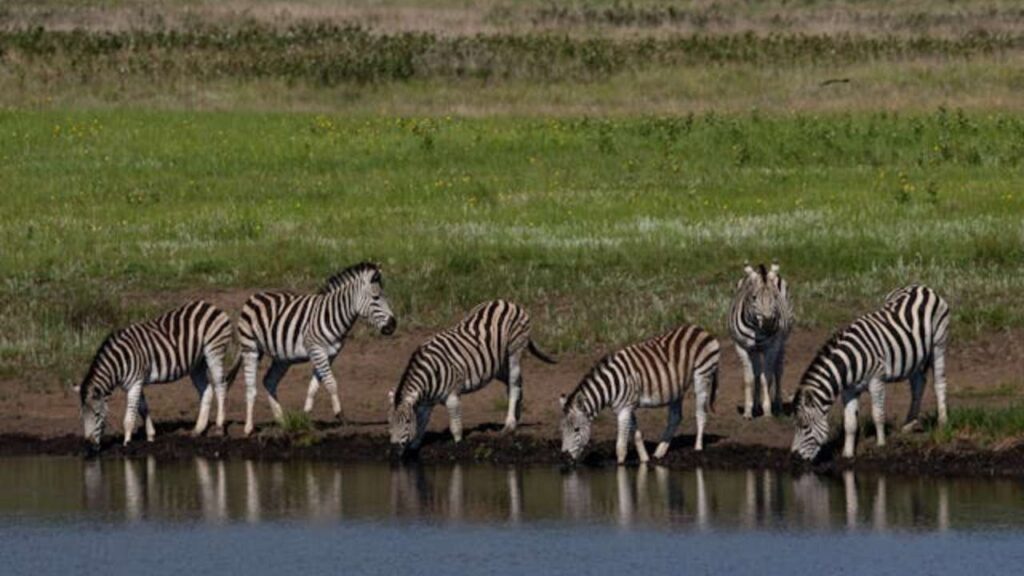
Establishing national parks, wildlife reserves, and marine protected areas around known centers of endemism remains the most direct conservation tool. When protected areas align with hotspot boundaries, they shield the greatest number of irreplaceable species per unit of land.
Invasive Species Management
On islands especially, removing introduced rats, cats, goats, and invasive plants has produced dramatic recoveries among endemic populations. Organizations like Island Conservation have documented successful eradication programs on over 60 islands worldwide.
Community Based Conservation
Long term success depends on involving local and Indigenous communities who live alongside endemic species. Traditional ecological knowledge often provides insights that formal science overlooks, and community stewardship creates durable protection that outlasts short term funding cycles.
Ex Situ Programs
Captive breeding, seed banks, and botanical garden collections serve as insurance policies for species whose wild populations have become critically small. These programs buy time while field conditions improve, though they work best as supplements to habitat protection rather than replacements.
Topical Range: How Endemism Connects to Broader Ecological Concepts
Endemism does not exist in isolation as a concept. It intersects with and informs several related fields:
| Related Topic | Connection to Endemism |
| Island biogeography | Explains how island size and distance from mainland predict endemic species counts |
| Speciation and evolution | Endemism is often the visible outcome of allopatric or sympatric speciation events |
| Biodiversity hotspots | Hotspot designation depends directly on the number of endemic vascular plants present |
| Conservation prioritization | Areas of endemism guide decisions about where to invest limited conservation funding |
| Climate change biology | Range restricted endemics serve as early warning indicators of shifting climate zones |
| Extinction risk assessment | IUCN threat categories weigh geographic range size heavily, linking directly to endemism |
Understanding these connections helps students, researchers, and policymakers see endemism not as an isolated label but as a central organizing principle in ecology and conservation science.
Conclusion
Endemism reveals where evolution has done its most localized and irreplaceable work. From volcanic island chains in the Pacific to ancient mountain forests in the tropics, endemic species represent millions of years of adaptation compressed into narrow geographic windows. The data is clear: biodiversity hotspots covering barely 2.5% of land sustain over half the world’s unique plant life, yet these same areas have already lost the majority of their original habitat.
Protecting endemic species is not optional if we intend to preserve the full richness of life on this planet. Every conservation dollar spent on a well chosen hotspot protects more unique species per hectare than almost any alternative investment. Whether you are a student, a researcher, or simply someone who values the natural world, learning about endemism is the first step toward supporting the policies and organizations working to keep these species alive.
If this guide helped you understand endemism more clearly, consider sharing it with others who care about biodiversity, or explore the linked resources above to go deeper into any subtopic.
What is endemism in simple words?
Endemism means a species is found naturally in only one specific place on Earth and does not exist anywhere else in the wild. The area can be as small as a single island or as large as a continent, but the species is completely absent outside that boundary.
What is the difference between endemic and native species?
A native species originated in a particular region but may also live in other areas beyond that region. An endemic species is exclusively confined to one location, meaning it cannot be found growing or living naturally anywhere else in the world.
Why do islands have so many endemic species?
Islands are physically separated from mainland populations by ocean barriers, which prevents regular gene flow. Over thousands or millions of years, isolated island populations accumulate unique genetic changes and adapt to local conditions, eventually becoming entirely new species found only on that island.
What is the difference between paleoendemism and neoendemism?
Paleoendemic species are ancient organisms that once had a much wider range but shrank over time to a small refuge area due to environmental changes. Neoendemic species are recently evolved organisms that have not yet had enough time to spread beyond the location where they first appeared.
Why are endemic species important for conservation?
Endemic species are irreplaceable because they exist in only one place, so their extinction means a permanent global loss. They also serve as key indicators of ecosystem health and evolutionary history, making them essential targets for conservation planning and biodiversity protection.
Can human activity create new endemic species?
Human actions like dam building or habitat fragmentation can isolate populations, and over very long timescales this could theoretically contribute to speciation. However, in practice, human activity overwhelmingly destroys endemic species far faster than any new ones could evolve, making habitat protection the urgent priority.