
The Rainwater Harvesting System has emerged as a sustainable solution to address global water scarcity and promote long-term environmental resilience. As the world faces growing challenges due to climate change and population growth, efficient water management has become a top priority. This system not only helps conserve water but also reduces the pressure on natural water resources, promoting self-sufficiency and sustainability.
In this article, we’ll explore what a Rainwater Harvesting System is, its history, importance, benefits, and challenges, as well as real-world applications that demonstrate its transformative potential. By understanding how rainwater collection systems and water conservation technologies work, we can appreciate their vital role in securing our planet’s water future and building resilient communities.
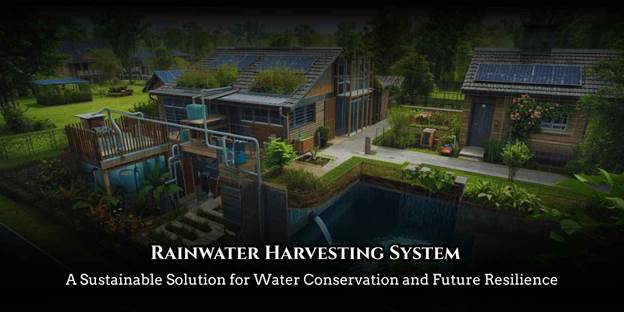
Rainwater Harvesting System Explained: Definition and Concept
A Rainwater Harvesting System is a method of collecting and storing rainwater from rooftops, surfaces, or catchment areas for later use. Instead of letting rainwater run off and waste into drains, this system channels it into tanks, underground reservoirs, or recharge pits.
The main components of a Rainwater Harvesting System include:
• Catchment Area: Usually the roof or surface where rainwater is collected.
• Conveyance System: Gutters and pipes that transport the water.
• Filtration Unit: Removes debris and impurities.
• Storage Tank: Holds the filtered water for domestic or agricultural use.
This eco-friendly approach reduces dependence on groundwater and ensures a reliable water supply even during dry seasons.
The Origins of Rainwater Harvesting: A Historical Perspective
The concept of Rainwater Harvesting Systems dates back thousands of years. Ancient civilizations in India, Rome, and Mesopotamia used stone cisterns and tanks to collect and store rainwater for household and agricultural purposes.
In India, stepwells and traditional tanks known as kunds were early examples of effective water harvesting systems. Similarly, Roman architects built underground cisterns to store rainwater for urban needs.
In modern times, rapid urbanization and water scarcity have revived interest in the Rainwater Harvesting System as an essential part of sustainable urban planning.
Importance of Rainwater Harvesting for Water Conservation
The Rainwater Harvesting System plays a crucial role in water conservation, especially in regions facing unpredictable rainfall or drought conditions. Here’s why it matters:
• Reduces Groundwater Depletion: By using harvested rainwater, communities lower dependence on bore wells and aquifers.
• Mitigates Flooding: Proper collection systems prevent urban flooding and soil erosion.
• Ensures Water Security: Stored rainwater acts as an emergency water source during shortages.
• Promotes Sustainability: Encourages eco-friendly living and supports sustainable resource management.
In addition, a rainwater collection system can support agricultural irrigation, landscaping, and even industrial water needs, making it a versatile tool for conservation.
Benefits of Rainwater Harvesting System in Urban and Rural Areas
The Rainwater Harvesting System offers multiple environmental, economic, and social benefits.
Environmental Benefits:
• Enhances groundwater recharge
• Reduces stormwater runoff
• Minimizes soil erosion
Economic Benefits:
• Lowers water bills by reducing dependence on municipal supply
• Reduces energy costs associated with pumping groundwater
Social Benefits:
• Strengthens local resilience during droughts
• Promotes community-based water management initiatives
Whether it’s a city building green infrastructure or a rural farmer ensuring crop survival, the Rainwater Harvesting System supports both ecological balance and human well-being.

Types of Rainwater Harvesting Systems and How They Work
There are two main types of Rainwater Harvesting Systems used worldwide:
1. Surface Runoff Harvesting
This method captures rainwater that flows over the ground, channels it through drains, and stores it in tanks or ponds. It is especially useful in urban settings to prevent flooding and recharge groundwater.
2. Rooftop Rainwater Harvesting
In this system, rainwater is collected directly from rooftops and filtered before being stored. It’s easy to install and suitable for both residential and commercial buildings.
Advanced rainwater collection systems also integrate smart sensors and filtration technologies to improve water quality and usage efficiency.
Challenges in Implementing Rainwater Harvesting Systems
Despite its clear advantages, implementing a Rainwater Harvesting System is not without challenges:
• High Initial Cost: Installation and filtration equipment can be expensive.
• Maintenance Issues: Tanks and filters require regular cleaning.
• Lack of Awareness: Many communities still underestimate the system’s value.
• Regulatory Barriers: In some urban areas, unclear water policies can delay adoption.
Overcoming these challenges requires public education, government incentives, and integration into building codes and infrastructure planning.
Real-World Success Stories of Rainwater Harvesting Systems
Several countries have successfully adopted Rainwater Harvesting Systems to combat water scarcity:
• India: Cities like Chennai and Bangalore made rooftop harvesting mandatory in new buildings, significantly improving groundwater levels.
• Australia: The government promotes rainwater collection systems through rebates, helping households reduce water bills.
• Japan: Tokyo’s Sky Tree complex uses massive underground tanks to store rainwater for cleaning and cooling.
• Kenya: Rural communities rely on simple harvesting systems to provide safe drinking water in arid regions.
These examples demonstrate that the Rainwater Harvesting System is not just an environmental tool but a key element of global water resilience.
The Future of Rainwater Harvesting: Building a Resilient Tomorrow
As the effects of climate change intensify, the Rainwater Harvesting System will become even more critical. Future innovations include automated rainwater collection systems, smart filtration, and IoT-enabled monitoring that ensures quality and efficiency.
Governments, architects, and communities are now integrating these systems into green building designs, ensuring cities of the future are self-sufficient in water management. With technological progress and collective awareness, a resilient water future is within reach.
Conclusion
The Rainwater Harvesting System is more than a conservation technique it’s a sustainable path toward environmental and societal resilience. By capturing and reusing rainwater, we not only reduce water waste but also secure our future against scarcity. Whether at home, on farms, or in cities, adopting Rainwater Harvesting Systems is a powerful step toward sustainability. To learn more about practical methods and community initiatives, explore modern rainwater collection systems and become part of the movement for a water-secure world.