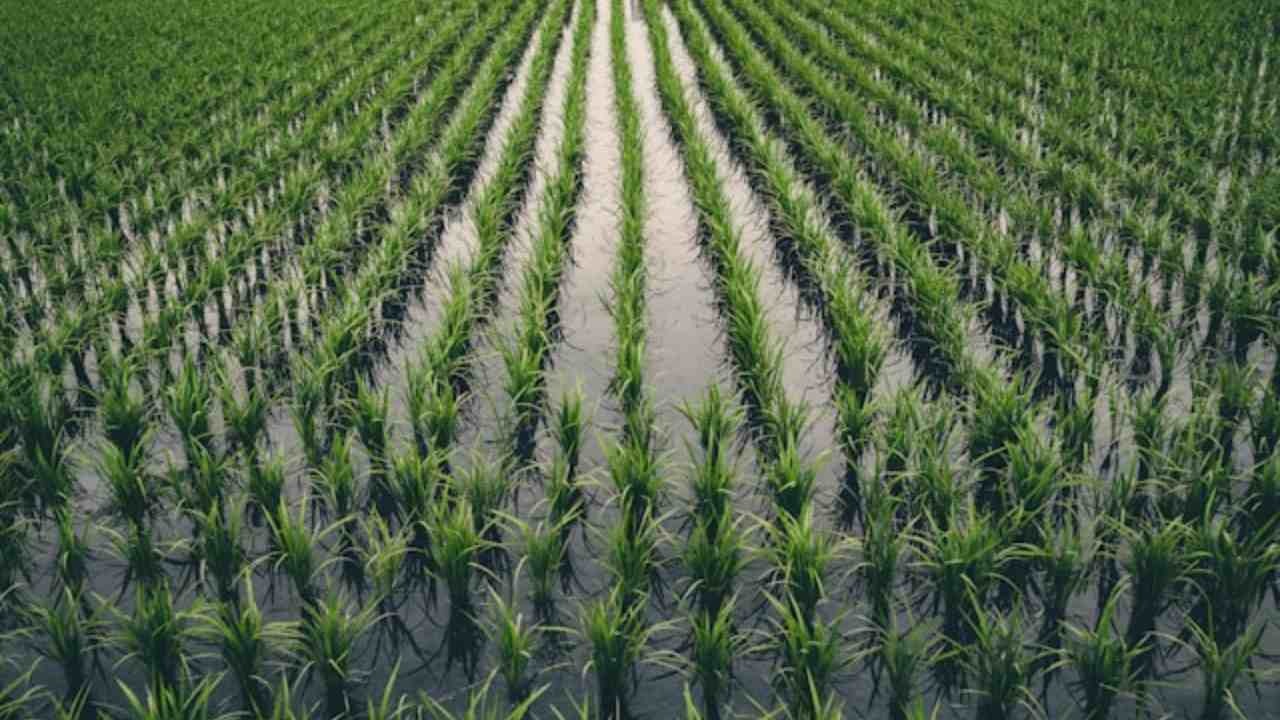
A rainwater harvesting system captures precipitation from rooftops or ground surfaces, filters it, and stores it in tanks or cisterns for later use in irrigation, toilet flushing, laundry, and in some cases, drinking. If you landed on this page wondering whether collecting rain makes financial or environmental sense for your property, the short answer is yes for most homeowners, and the sections below will show you exactly how it works, what it costs, and how to size a system that fits your needs.
Table of Contents
The global market for these systems reached roughly $950 million in 2025, according to Congruence Market Insights, and is projected to cross $1.29 billion by 2033 at a compound annual growth rate near 3.9%. That growth reflects a simple reality: municipal water prices keep climbing, droughts are becoming more frequent, and homeowners want a backup supply they control.
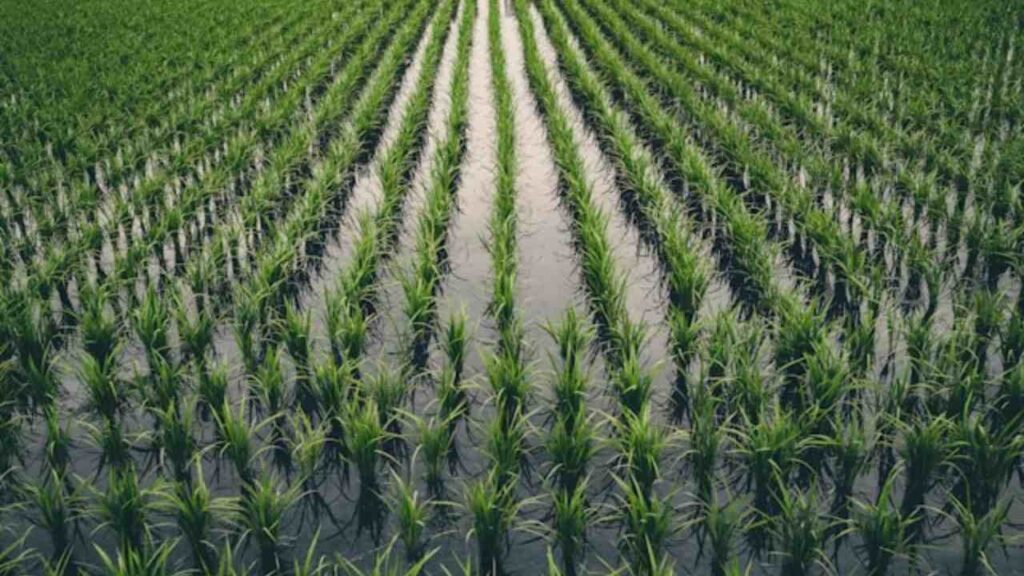
What Is a Rainwater Harvesting System and How Does It Work?
A rainwater harvesting system is a setup that intercepts rain before it becomes stormwater runoff, directs it through a filtration stage, and deposits it into a storage vessel for on demand use. The process relies on gravity for most of its journey, which keeps energy costs low.
Here is the basic flow from sky to tap:
- Rain falls on a catchment surface, usually your roof.
- Gutters and downspouts channel water toward a first flush diverter.
- The first flush diverter discards the initial dirty flow (typically the first one to two liters per square meter of roof).
- Filtered water enters an above ground or underground storage tank.
- A pump and optional secondary filter deliver water to its end use.
The entire cycle can operate passively for garden irrigation or actively with pressurized plumbing for indoor non potable applications.
Core Components of a Residential Rainwater Collection System
Every functional rain collection setup shares five essential parts. Understanding each one helps you budget accurately and avoid common installation mistakes.
| Component | Purpose | Typical Cost Range (USD) |
| Catchment area (roof) | Collects rainfall over a broad surface | Existing roof, no extra cost |
| Gutters and downspouts | Channels water from roof to storage | $900 to $5,000 for new install |
| First flush diverter | Discards initial contaminated runoff | $20 to $60 |
| Storage tank or cistern | Holds filtered rainwater | $120 (rain barrel) to $12,000+ (large cistern) |
| Pump and distribution line | Pressurizes water for household or irrigation use | $150 to $300 for pump alone |
Cost data sourced from HomeGuide and Fixr, updated for 2026.
Optional but recommended add ons include a sediment filter ($75 to $200), a UV sterilization unit for potable use ($250 per year for bulb replacement), and a tank level gauge ($30 to $50) so you know exactly how much water you have stored at any given time.
Types of Rainwater Harvesting Systems Explained
Choosing the right type depends on your property layout, budget, and how you plan to use the water. Below are the four most common configurations.
Rain Barrel System
This is the simplest and cheapest entry point. A single barrel (50 to 200 gallons) sits beneath a downspout and collects roof runoff. It works well for small garden watering tasks but will not supply a household.
Best for: Apartment balconies, small garden beds, beginners testing the concept.
Installed cost: $120 to $2,500 depending on barrel count and accessories.
Dry System
In a dry system, pipes run directly from the gutter downspout to the top of a nearby storage tank. After each rain event, the pipes drain completely, which is why the method is called “dry.” This keeps mosquito breeding and bacterial growth to a minimum.
Best for: Homes where the tank can sit close to the building and at a lower elevation than the gutters.
Installed cost: $1,000 to $5,000 for a tank up to 5,000 gallons, according to Fixr.
Wet System
A wet system routes multiple downspouts into underground pipes that connect to a single storage tank. The underground pipes stay full of water between rain events (hence “wet”), and new rainfall pushes stored pipe water into the tank through hydrostatic pressure.
Best for: Properties with multiple roof sections, or where the tank must sit far from the building.
Installed cost: $4,000 to $12,000 including underground piping and excavation.
Underground Cistern System
Large scale underground tanks (1,000 to 50,000+ gallons) sit below the frost line, protecting water from temperature swings and keeping your yard visually clean. These systems often connect to indoor plumbing for toilet flushing, laundry, and sometimes potable supply after advanced treatment.
Best for: Whole house supply, off grid properties, commercial buildings.
Installed cost: $6,500 to $24,000 or more depending on tank material and excavation conditions, per HomeGuide.
How Much Does a Rainwater Harvesting System Cost?
Cost is the first question most homeowners ask, and the answer spans a wide range because system complexity varies enormously. Here is a realistic breakdown by project scale.
Quick Cost Summary Table
| Project Scale | Storage Capacity | Typical Total Cost (USD) |
| Basic rain barrel | 50 to 200 gallons | $120 to $2,500 |
| Mid range dry system | 1,000 to 5,000 gallons | $2,000 to $12,000 |
| Advanced wet system | 3,000 to 10,000 gallons | $4,000 to $15,000 |
| Underground cistern | 5,000 to 30,000 gallons | $6,500 to $55,000 |
The Texas Water Development Board notes that a complete residential system typically falls between $8,000 and $10,000, with the storage tank being the single largest expense.
What Drives the Price Up or Down?
Several factors shift your final number significantly:
- Tank material. Polyethylene is the most affordable at roughly $2,000 to $4,000 for 5,000 gallons. Steel and concrete tanks cost $3,000 to $6,000 for the same capacity but offer greater durability.
- Above ground vs underground. Burying a tank adds excavation, backfill, and structural reinforcement costs that can double or triple the tank expense alone.
- Potable vs non potable use. If you plan to drink the water, you need multi stage filtration plus UV or ozone disinfection, adding $2,500 to $3,000 to the project.
- Existing gutters and downspouts. Homes that already have functional gutter systems save $900 to $5,000 compared to new construction.
- Local permits and inspections. Some jurisdictions require plumbing permits, backflow prevention devices, or cross connection inspections that add both cost and timeline.
How to Calculate the Right Tank Size for Your Property
Oversizing wastes money. Undersizing means your tank overflows during heavy rain and runs dry during the weeks you need it most. A simple formula helps you find the sweet spot.
The Roof Yield Formula
Annual harvest (gallons) = Roof area (sq ft) × Annual rainfall (inches) × 0.623 × Collection efficiency
Collection efficiency accounts for evaporation, splash, and first flush losses. A well maintained gutter system typically achieves 0.75 to 0.85 efficiency.
Example calculation:
- Roof area: 2,000 sq ft
- Annual rainfall: 35 inches (common in the mid Atlantic US)
- Efficiency factor: 0.80
2,000 × 35 × 0.623 × 0.80 = 34,888 gallons per year
That works out to roughly 2,900 gallons per month on average, though actual collection will be uneven across seasons. If your primary use is irrigating a 1,500 sq ft garden that needs about 900 gallons per week during summer, a 5,000 gallon tank gives you roughly five to six weeks of buffer, which covers most dry spells in temperate climates.
Sizing Rules of Thumb
- Garden irrigation only: 1,000 to 2,500 gallons is usually sufficient.
- Irrigation plus toilet flushing and laundry: 5,000 to 10,000 gallons handles a family of four.
- Whole house supply including potable: 10,000 to 30,000 gallons, depending on climate and household size.
This concludes the first half of the guide. The second half covers installation steps, filtration and water quality, legal regulations by state and country, maintenance schedules, environmental benefits backed by data, frequently asked questions, and a decision checklist to help you choose the right system for your situation.
Is It Legal to Collect Rainwater? Regulations You Should Know
Rainwater harvesting is legal in all 50 US states, though rules on storage volume, permitted uses, and system design vary by jurisdiction. The federal government does not regulate collection at all, so compliance depends entirely on your state and local building codes.
Here is a quick regulatory snapshot across key states:
| State | Legal Status | Notable Rules or Incentives |
| Texas | Legal and encouraged | Sales tax exemption on harvesting equipment; HOAs cannot ban systems (Texas Water Development Board) |
| California | Legal | Rainwater Capture Act of 2012 permits systems without a permit for non potable use |
| Colorado | Legal with limits | Homeowners may collect up to 110 gallons in two barrels for outdoor use only (World Population Review) |
| Arizona | Legal and incentivized | State tax credit of up to 75% for agricultural rainwater systems |
| Virginia | Legal and incentivized | Income tax credit for homeowners who install a collection system |
| Georgia | Legal with restrictions | Harvested water limited to outdoor purposes under state plumbing code |
Practical takeaway: Before purchasing any equipment, contact your county building department and review your HOA bylaws if applicable. Most states have zero restrictions, but a quick phone call can save you from a permit headache later.
For international readers, countries like Australia offer government rebates for residential systems, India mandates rooftop harvesting in several major cities, and Germany integrates collection into green building retrofit programs.
Maintenance and Water Quality: Keeping Your System Clean and Safe
A rainwater harvesting system requires regular but straightforward maintenance to deliver clean water and avoid costly repairs. Neglected gutters, clogged filters, and stagnant tanks are the three most common reasons systems underperform.
Seasonal Maintenance Checklist
- Every three months: Clear leaves and debris from gutters and downspouts. Inspect the first flush diverter and empty it if sediment has built up.
- Every six months: Scrub the interior walls of open rain barrels. Check seals and connections on pipes for leaks.
- Annually: Drain and clean the main storage tank. Replace UV bulbs if you run a potable treatment system (roughly $250 per year according to Angi). Inspect the pump pressure and replace sediment filter cartridges.
Water Quality Considerations
Rooftop runoff can carry dust, bird droppings, pollen, and trace metals from roofing materials. A properly functioning first flush diverter removes the dirtiest water before it reaches your tank. For non potable uses like irrigation and toilet flushing, a basic sediment filter ($75 to $200) is usually sufficient.
If you plan to drink the water, you will need a multi stage treatment train that typically includes sediment filtration, activated carbon, and UV sterilization. The U.S. Department of Energy recommends consulting local health authorities before using harvested rainwater for potable purposes, as treatment standards differ by jurisdiction.
Environmental Benefits of Rainwater Harvesting Backed by Data
Collecting rain does more than lower your water bill. It addresses three environmental problems simultaneously: groundwater depletion, urban flooding, and downstream pollution.
- Reduced municipal water demand. A 2025 study monitored by Australia’s national water authority found that commercial and industrial buildings with rainwater systems reduced their municipal water consumption by 27% across tracked districts, as reported by Congruence Market Insights.
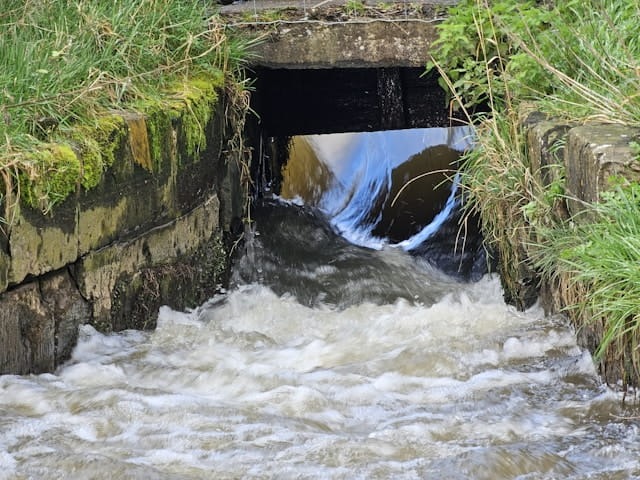
- Stormwater management. Every gallon captured is a gallon that does not rush into storm drains, pick up oil and fertilizer from paved surfaces, and dump pollutants into local waterways.
- Groundwater recharge. Systems designed with overflow directed into percolation pits allow excess water to seep back into aquifers rather than running off into sewers.
A 2025 study published in Nature Communications estimated that rainwater harvesting could provide safe drinking water for between 0.45 and 2.08 billion people globally, particularly in regions where 88.5% of those without safely managed drinking water already live in areas with adequate rainfall.
Quick Start Decision Checklist
Before you buy anything, run through these five questions:
- What will you use the water for? (Garden only, indoor non potable, or whole house potable)
- How large is your roof in square feet?
- What is your area’s average annual rainfall?
- Does your state or municipality require permits or impose storage limits?
- What is your budget for the initial setup?
Your answers will point you toward the right system type and tank size using the formula and sizing guidelines from the first half of this guide.
Conclusion
A rainwater harvesting system is one of the few home improvements that pays for itself through lower water bills, protects your property from stormwater damage, and directly reduces pressure on municipal supplies and groundwater reserves. Whether you start with a $120 rain barrel or invest in a full underground cistern, the underlying principle is the same: capture free water that would otherwise become runoff and put it to productive use.
The global market is growing because the math works. Water prices rise every year, droughts are intensifying in regions that never expected them, and the technology to filter and store rain has become more affordable and reliable than ever. If you have a roof and it rains where you live, you already own the most important component.
Start small, learn how your local rainfall patterns fill a barrel over a few months, and scale up when you are ready. If this guide helped you plan your next step, share it with a neighbor who has been thinking about water conservation, or leave a comment below with your setup and local experience.
How much water can I collect from my roof with a rainwater harvesting system?
A 1,000 square foot roof in an area that receives 30 inches of rain per year can harvest roughly 14,000 gallons annually after accounting for efficiency losses. The exact yield depends on roof material, gutter condition, and how much water the first flush diverter discards.
Is collected rainwater safe to drink?
Untreated rainwater is not safe for drinking because it can contain bacteria, dust, and trace contaminants from roofing materials. With a properly maintained multi stage filtration and UV disinfection system, harvested rain can meet potable water standards, though you should check your local health department’s requirements before consuming it.
How long does a rainwater harvesting system last?
Polyethylene tanks typically last 15 to 20 years, while concrete and steel cisterns can exceed 30 years with proper maintenance. Pumps, filters, and UV units have shorter lifespans and should be inspected annually and replaced as needed.
Do rainwater harvesting systems work in dry climates?
Yes, but tank sizing becomes more critical. In arid regions, a larger storage tank captures the full volume of infrequent heavy rainfalls so you have a reserve during long dry stretches. The U.S. Department of Energy’s Rainwater Harvesting Tool maps collection potential across the country and can help you assess feasibility for your specific location.
Can an HOA prevent me from installing a rain collection system?
In most states, no. Texas, Arizona, and several other states have passed laws that explicitly prohibit homeowner associations from banning rainwater harvesting equipment. However, an HOA may still regulate the visual appearance or placement of tanks, so review your community’s covenants before installing.
How much money can a rainwater harvesting system save on water bills?
Savings depend on local water rates and how much harvested water you use. Homeowners who replace irrigation and toilet flushing with collected rain typically reduce their municipal water consumption by 30% to 50%, which can translate to hundreds of dollars per year in regions with high water costs.