The antarctic ice shelf melting phenomenon is rapidly transforming Earth’s coldest region and raising serious concerns for the planet’s future. Driven by climate change, rising ocean temperatures, and accelerating global warming, these massive ice formations are weakening faster than scientists once expected.
This article explores why antarctic ice shelf melting is happening, how it affects sea level rise, and what it means for polar ice stability worldwide. You’ll also learn how shifting weather patterns and human activities contribute to these changes, and why their impact extends far beyond Antarctica. Understanding this issue is crucial, as it directly influences coastal communities, ecosystems, and the global climate balance we all depend on.
Understanding Antarctic Ice Shelves and Their Role
What Are Ice Shelves and Why They Matter
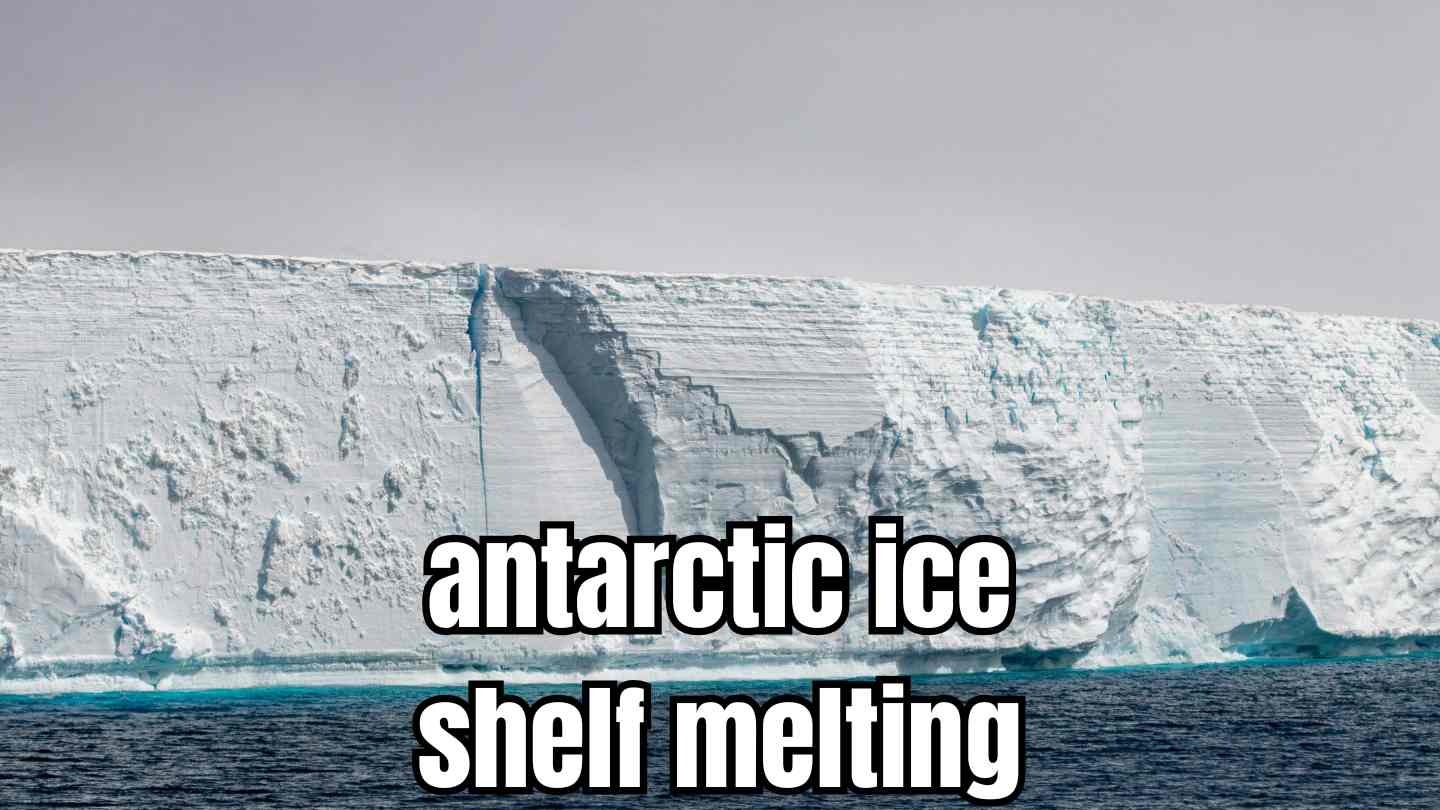
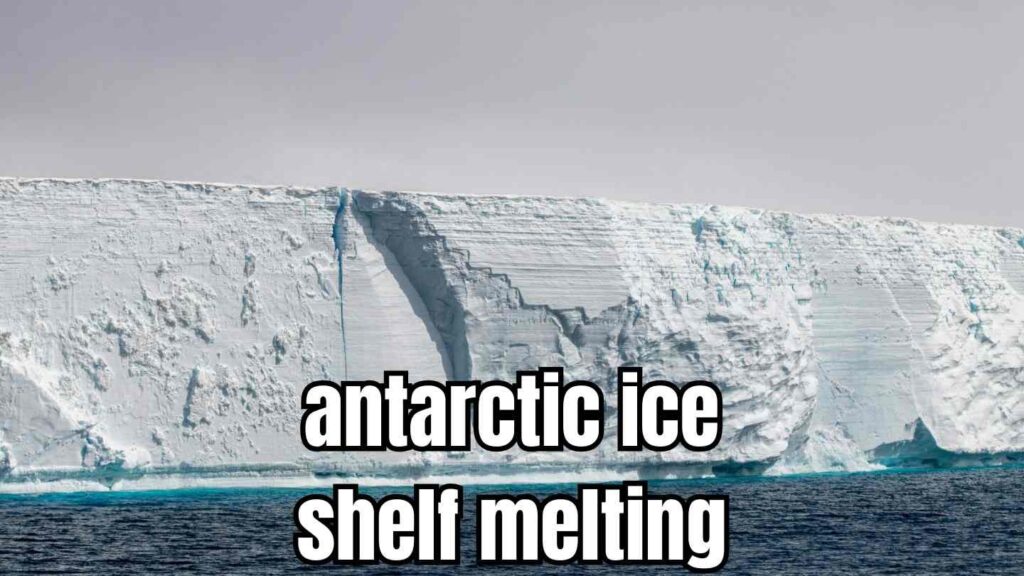
Ice shelves are massive floating extensions of glaciers that form where land ice meets the ocean. They act as natural barriers that slow the movement of inland ice toward the sea. When antarctic ice shelf melting accelerates, this protective effect weakens, allowing glaciers to flow faster. This process directly influences sea level rise, disrupts polar ecosystems, and affects global ocean circulation. Scientists view ice shelves as critical regulators of Earth’s climate system, making their stability essential for long term environmental balance.
Causes Behind Accelerating Ice Shelf Loss
Influence of Climate Change and Ocean Warming
One of the strongest drivers of antarctic ice shelf melting is climate change. Warmer air temperatures increase surface melt, while ocean temperatures rising beneath the shelves cause thinning from below. These combined forces create fractures that weaken ice structures over time. As global warming continues, melt rates intensify, pushing some ice shelves closer to collapse.
Human Activity and Atmospheric Shifts
Greenhouse gas emissions from industrial activity have altered atmospheric patterns, trapping more heat near the poles. Changes in wind systems draw warmer water toward Antarctica’s coast, further accelerating antarctic ice shelf melting. This connection highlights how distant human actions can trigger dramatic changes in remote polar regions.
Historical Perspective and Recent Trends
Past Stability Versus Modern Change
For thousands of years, Antarctic ice shelves remained relatively stable. In recent decades, satellite observations have revealed rapid thinning and sudden collapses. Events like the disintegration of major shelves shocked researchers and provided clear evidence that antarctic ice shelf melting is no longer a slow natural cycle but a fast moving crisis linked to modern warming trends.
Global Impacts of Ice Shelf Decline
Sea Levels and Coastal Communities
The most significant consequence of antarctic ice shelf melting is its contribution to rising seas. While floating ice does not directly raise sea levels, the accelerated flow of land based glaciers does. This threatens low lying cities, islands, and coastal infrastructure worldwide, increasing the risk of flooding and erosion.
Effects on Marine and Polar Ecosystems
Melting ice shelves alter ocean salinity and temperature, reshaping habitats for marine life. Polar ice loss affects krill populations, which are essential to Antarctic food chains. These disruptions can ripple through global ecosystems, influencing fisheries and biodiversity far beyond the polar regions.
Key Characteristics of the Melting Process
How the Mechanism Works
The process of antarctic ice shelf melting involves both surface and basal melting. Surface meltwater fills cracks and forces them deeper, while warmer seawater erodes the underside. Over time, this weakens the shelf’s structure, making it vulnerable to breaking apart under stress.
Major Features Scientists Monitor
Researchers track several indicators to assess ice shelf health:
- Ice thickness changes measured by satellites
- Crack formation and expansion patterns
- Water temperature beneath ice shelves
- Glacier flow speed toward the ocean
- Seasonal melt duration and intensity
Challenges in Slowing the Trend
Scientific and Political Barriers
Addressing antarctic ice shelf melting presents major challenges. The remoteness of Antarctica makes data collection difficult and expensive. At the same time, global cooperation is required to reduce emissions driving climate change. Political disagreements and economic priorities often delay meaningful action.
Uncertainty in Future Projections
Although climate models are improving, predicting the exact pace of antarctic ice shelf melting remains complex. Feedback loops between ice loss and ocean warming add uncertainty, making it harder for policymakers to plan effective responses.
Why This Issue Demands Global Attention
Long Term Significance for Earth’s Climate
The fate of Antarctic ice shelves is closely tied to Earth’s future climate stability. Continued antarctic ice shelf melting could lock in centuries of sea level rise, even if emissions are reduced later. This makes early intervention essential.
Practical Recommendations and Awareness
To reduce risks, experts emphasize the following actions:
- Reducing greenhouse gas emissions globally
- Supporting climate focused scientific research
- Strengthening international climate agreements
- Investing in coastal adaptation strategies
- Raising public awareness about polar changes
Understanding antarctic ice shelf melting is not just about distant ice. It is about protecting coastlines, ecosystems, and the climate systems that support life worldwide.
Conclusion
The topic of antarctic ice shelf melting reveals how fragile Earth’s climate balance has become. This article discussed the role of ice shelves, the influence of climate change, warming oceans, and human activity, along with the serious impacts on sea level rise and polar ecosystems. Historical evidence and scientific monitoring show that continued antarctic ice shelf melting poses long term risks for coastal regions and global climate stability. Addressing global warming, protecting polar ice, and supporting climate research are essential steps to reduce future damage and safeguard the planet.