The Arctic may appear like a frozen, lifeless desert at first glance, but beneath its icy surface lies a complex web of life where survival depends on strength, speed, and adaptation. At the heart of this system are the Arctic wildlife predators that rule the food chain. From massive polar bears stalking the sea ice to cunning Arctic foxes and powerful orcas in the deep waters, each predator plays a vital role in maintaining balance within this fragile ecosystem.
Table of Contents
In this article, we’ll explore the top predators of the Arctic wildlife food chain, their unique hunting strategies, and how they thrive in such extreme conditions. By understanding these creatures, we can better appreciate the delicate harmony of life in the far north and the challenges they face today.
Understanding the Arctic Wildlife Food Chain
The Arctic wildlife food chain is structured around producers like algae and phytoplankton, which fuel the ecosystem. These tiny organisms feed fish and invertebrates, which in turn support seabirds, seals, and larger mammals. At the very top of this chain are apex predators. They not only control prey populations but also ensure that the ecosystem remains balanced. Without these predators, entire species could overpopulate or disappear, disrupting the Arctic’s ecological stability.
Polar Bears: The Apex of Arctic Wildlife
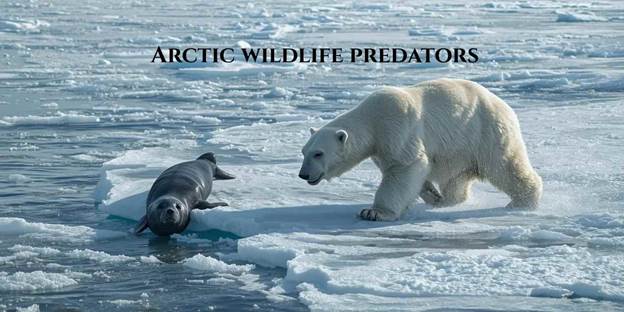
Polar bears are perhaps the most iconic predators in Arctic wildlife. Weighing up to 1,500 pounds, they are perfectly adapted to hunting on sea ice. Their primary diet consists of seals, which they ambush near breathing holes or break into dens to reach pups.
Challenges for polar bears have grown as sea ice melts due to climate change. With less hunting ground available, they are forced to travel longer distances or scavenge near human settlements, threatening their survival. Despite these challenges, polar bears remain the undisputed rulers of the Arctic food chain.
Arctic Wolves: Masters of Teamwork
Unlike the solitary polar bear, Arctic wolves thrive through cooperation. Living in packs, they hunt musk oxen, Arctic hares, and caribou. Their ability to take down prey much larger than themselves makes them crucial predators in tundra ecosystems.
Hunting in such harsh environments requires strategy and endurance. Arctic wolves rely on strong social bonds, with each member playing a role during hunts. They also adapt by feeding on smaller animals when larger prey is scarce, showing their resilience in the unpredictable Arctic climate.
Orcas: The Ocean Predators of Arctic Wildlife
In the icy waters of the Arctic, orcas, also known as killer whales, dominate the marine food chain. These intelligent predators hunt seals, fish, and even whales. Their strength lies not only in their size but also in their complex hunting techniques, often working in pods to corner prey.
As sea ice retreats, orcas are expanding further north, increasing competition with other marine predators like polar bears and walruses. Their growing presence reshapes the dynamics of Arctic wildlife, showing how climate change impacts predator-prey relationships across ecosystems.
Arctic Foxes: Small but Fierce Hunters
Though small compared to other predators, Arctic foxes are vital members of the Arctic wildlife food chain. With their thick fur and resourceful hunting style, they survive by preying on lemmings, fish, and seabird eggs. They also scavenge leftovers from polar bears, proving their adaptability in extreme conditions.
Arctic foxes are opportunistic and thrive on their ability to exploit multiple food sources. Their role may seem minor compared to larger predators, but they help regulate rodent populations and recycle nutrients, making them essential to ecosystem balance.
Snowy Owls: Silent Predators of the Skies
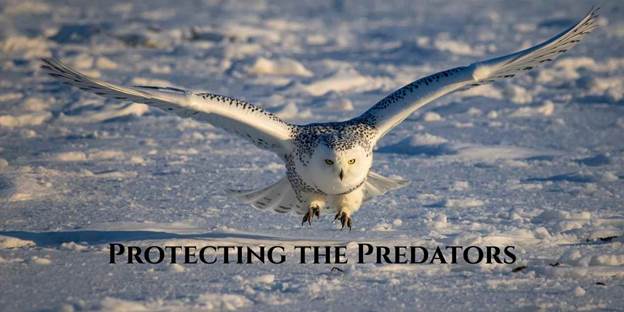
Snowy owls are majestic raptors of the Arctic, recognized by their white plumage and piercing eyes. They primarily hunt lemmings and small mammals but also target birds. Their sharp talons and silent flight make them deadly hunters in open tundra landscapes.
Like many Arctic wildlife predators, snowy owls depend on prey cycles. When lemming populations crash, their survival becomes difficult, often forcing them to migrate southward in search of food. This dependence highlights the fragile links within the Arctic food web.
Importance of Arctic Predators in the Ecosystem
Top predators in Arctic wildlife are not just hunters; they are ecosystem regulators. Their role includes:
• Preventing overpopulation of prey species
• Maintaining biodiversity by balancing food chains
• Supporting scavengers that rely on leftovers
• Indicating the health of ecosystems as apex species often reflect environmental change
Without these predators, the Arctic’s ecological balance would collapse, leading to cascading effects across global ecosystems.
Challenges Facing Arctic Wildlife Predators
Despite their strength, predators in the Arctic face unprecedented threats:
• Shrinking sea ice reducing hunting grounds for polar bears and walruses
• Climate change shifting prey availability and migration patterns
• Human activity, including shipping and oil exploration, disrupting habitats
• Pollution and overfishing weakening marine food chains
These challenges show that even the most powerful creatures in the Arctic are vulnerable to environmental changes caused by human activity.
Protecting the Predators of Arctic Wildlife
Safeguarding Arctic wildlife requires a global effort. Strategies include:
• Reducing greenhouse gas emissions to slow ice melt
• Expanding protected areas for marine and land predators
• Limiting industrial activity in sensitive regions
• Supporting Indigenous communities who coexist with Arctic predators
Protecting predators ensures the entire food chain remains intact, securing the future of Arctic ecosystems.
Conclusion
The predators of Arctic wildlife from mighty polar bears and orcas to cunning Arctic foxes and snowy owls are more than hunters; they are guardians of ecological balance. Each plays a vital role in shaping the food chain, ensuring that life in the Arctic continues despite harsh conditions.
Yet, climate change and human pressures threaten these apex species, putting the entire ecosystem at risk. Protecting them means protecting the Arctic itself. By valuing these incredible predators and taking action to address environmental challenges, we can help preserve the wild beauty of the Arctic for generations to come.