Understanding the Concept of Biodiversity
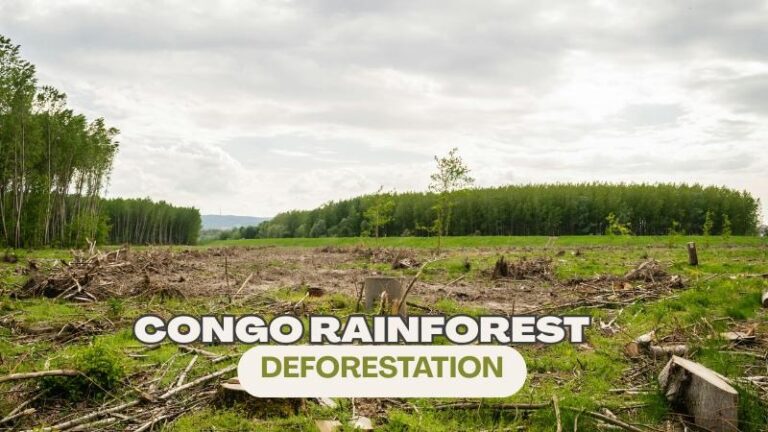
Biodiversity refers to the wide range of life on Earth including genes, species, and ecosystems. It includes every living organism that contributes to the web of nature, ensuring the planet’s systems function effectively. This diversity provides essential resources like food, water, and oxygen, forming the world’s natural support network.
Historical Background
The concept gained attention in the late 20th century when scientists warned that human actions were harming natural systems. Over time, industrialization and deforestation accelerated species loss. Global efforts such as the Earth Summit (1992) and the Convention on Biological Diversity (CBD) were introduced to protect this natural heritage.
Why Biodiversity Matters for Life on Earth
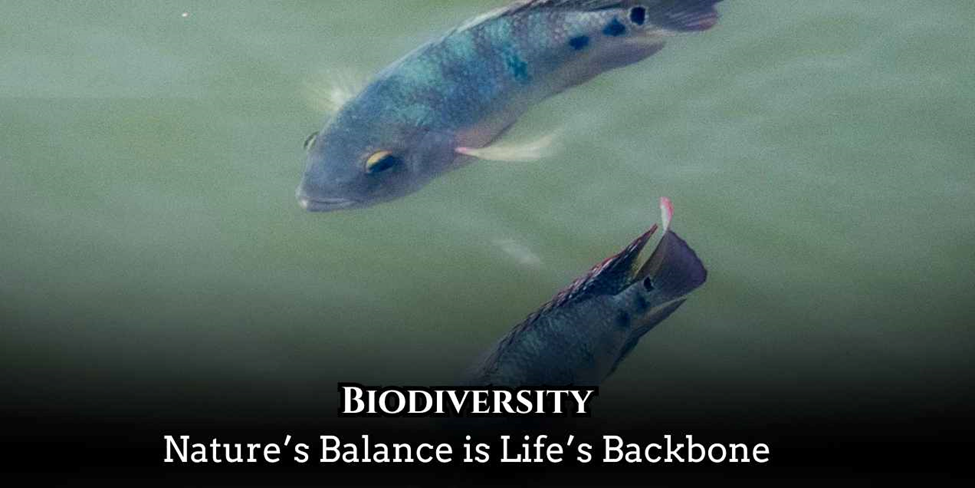
Life’s variety is vital for sustaining nature’s processes and keeping our environment resilient. It supports all living beings and ensures long-term stability.
Core Reasons It Matters
- Ecosystem Balance: Every organism has a role in maintaining environmental equilibrium.
- Pollination and Food: Bees, birds, and insects keep food production alive.
- Climate Regulation: Forests and oceans absorb carbon and release oxygen.
- Cultural and Economic Value: Communities rely on nature for medicine, tourism, and farming.
Connection to Human Survival
Our existence depends directly on the richness of life. The air we breathe, the food we eat, and the water we drink all come from balanced ecosystems. Protecting nature ensures the sustainability of life for future generations.
Key Benefits of Natural Diversity
A planet full of life is a planet full of stability, opportunity, and beauty. Here’s how natural variety benefits both humans and the environment.
Environmental Benefits
- Soil Fertility: Microorganisms enrich soil for agriculture.
- Water Purification: Wetlands filter pollutants and protect freshwater.
- Air Quality: Trees and plants reduce carbon levels and improve climate health.
Economic Benefits
- Agriculture: Diverse crops are stronger against pests and climate change.
- Medicinal Resources: Many modern medicines originate from natural compounds.
- Tourism: Wildlife reserves and coral reefs boost local economies.
Social and Cultural Benefits
- Spiritual Value: Many traditions and beliefs are rooted in nature.
- Education: Research on natural systems leads to new innovations.
Challenges Threatening Earth’s Natural Balance
Despite its importance, the diversity of life faces severe threats from human actions. The rapid decline of species could cause irreversible damage.
Major Global Threats
- Deforestation: Forest clearing for industries and farming destroys habitats.
- Pollution: Chemicals and waste poison water and soil.
- Climate Change: Rising temperatures disrupt global ecosystems.
- Overexploitation: Hunting and mining reduce wildlife populations.
- Invasive Species: Foreign species upset ecological balance.
Examples from Around the World
- Amazon Rainforest: Losing vast areas to deforestation every year.
- Coral Reefs: Bleaching caused by ocean warming threatens marine life.
- African Savannas: Poaching has pushed many species toward extinction.
Strategies for Protecting Life on Earth
Preserving natural diversity requires awareness, teamwork, and responsible choices. Governments, organizations, and individuals must unite to protect our environment.
Effective Conservation Measures
- Protected Areas: National parks and reserves save endangered species.
- Sustainable Farming: Reducing chemicals supports soil and water health.
- Reforestation: Planting native trees restores ecosystems.
- Community Awareness: Local involvement strengthens conservation efforts.
Global and Local Action
International goals like the UN Sustainable Development Agenda promote ecosystem protection. Locally, community-based initiatives encourage people to restore their surroundings while improving livelihoods.
The Future of a Diverse Planet
The future of our planet depends on how well we protect its living systems. Each species, no matter how small, contributes to global health. By adopting eco-friendly habits like recycling, planting trees, and reducing waste we can restore environmental balance.
Key Takeaways
- Natural diversity is essential for ecosystem stability.
- Human actions remain the main cause of decline.
- Conservation and sustainable living can secure a better future.
Conclusion
In conclusion, biodiversity remains the foundation of a healthy and resilient planet. It supports life, stabilizes the climate, and strengthens ecosystems. Protecting the world’s variety of species ensures clean air, fertile soil, and a balanced environment. However, growing threats like pollution and deforestation call for global responsibility. By understanding and valuing biodiversity, we can make mindful choices that protect nature and guarantee a sustainable future for generations ahead.