The Earth’s ecosystems are woven together in a delicate balance, with every plant, animal, and microorganism playing a role in sustaining life. Yet today, biodiversity is declining at an alarming rate, threatening not just wildlife but humanity itself. Biodiversity protection is more than just saving endangered species it is about ensuring clean air, fresh water, fertile soil, and a stable climate. Without it, human survival would be impossible.
This article explores the importance of biodiversity protection, the risks of biodiversity loss, and the strategies we can adopt to safeguard nature. By understanding why protecting biodiversity matters, we realize that saving the natural world is ultimately about saving ourselves.
What Is Biodiversity Protection?
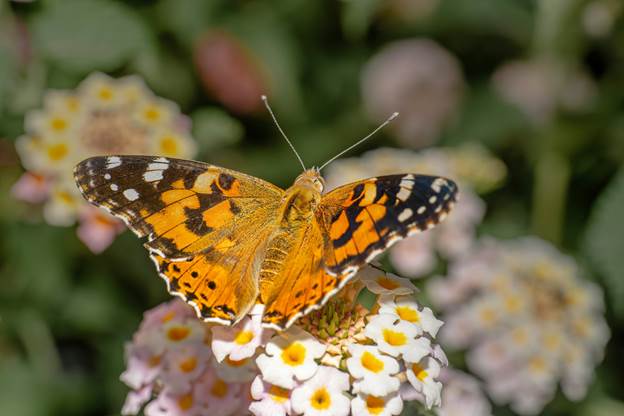
Biodiversity refers to the variety of life forms on Earth, including plants, animals, fungi, and microorganisms, along with the ecosystems they create. Biodiversity protection involves safeguarding this richness of life to maintain ecological balance and prevent extinction.
From tropical rainforests to coral reefs, diverse ecosystems provide food, medicines, and raw materials for billions of people. Protecting this diversity ensures that ecosystems remain resilient and continue to support human life.
Why Is Biodiversity at Risk?
Humanity’s actions play the central role in biodiversity loss.Deforestation, pollution, climate change, and overexploitation of natural resources are accelerating species extinction at unprecedented rates.
The main threats include:
• Habitat destruction from agriculture and urbanization
• Overfishing and hunting of wildlife
• Climate change altering ecosystems
• Pollution contaminating air, soil, and water
• Introduction of invasive species
Each of these factors reduces ecosystem stability and puts human well-being in jeopardy.
The Importance of Biodiversity Protection
Biodiversity protection is not only about conserving wildlife but also about preserving the foundations of human survival. Healthy ecosystems offer countless benefits, including:
Ecosystem Services
• Purification of air and water
• Soil fertility and pollination of crops
• Climate regulation and carbon storage
Human Health
Many life-saving medicines come from plants and animals. Losing biodiversity reduces the chances of discovering future cures.
Food Security
Diverse species ensure resilience in agriculture and protect against crop failure caused by pests or disease.
By prioritizing biodiversity protection, we are also investing in human health, security, and sustainability.
Biodiversity and Climate Change
Climate change and biodiversity are deeply interconnected. As global temperatures rise, ecosystems face stress, making species more vulnerable to extinction. At the same time, biodiversity protection helps mitigate climate change.
Forests, wetlands, and oceans act as natural carbon sinks, absorbing vast amounts of carbon dioxide. Protecting these ecosystems is one of the most effective ways to combat climate change while preserving biodiversity.
Benefits of Biodiversity Protection
Economic Benefits
Natural resources support industries such as agriculture, tourism, and medicine. Biodiversity contributes billions to the global economy every year.
Cultural and Spiritual Value
For many communities, biodiversity is tied to traditions, cultural identity, and spiritual practices.
Resilience Against Disasters
Healthy ecosystems act as buffers against natural disasters. For example, mangroves protect coastlines from storm surges, and forests reduce the risk of landslides.
Challenges in Biodiversity Protection
Despite its importance, protecting biodiversity faces major hurdles.
• Lack of awareness among the public
• Insufficient funding for conservation projects
• Conflicts between economic growth and environmental protection
• Weak enforcement of environmental laws
Overcoming these challenges requires global cooperation, strong policies, and grassroots efforts.
Strategies for Effective Biodiversity Protection
To safeguard biodiversity, a combination of global, local, and individual actions is essential.
Government and Policy Measures
• Establishing protected areas and national parks
• Enforcing anti-poaching and anti-logging laws
• Supporting sustainable farming and fishing practices
Community-Based Conservation
Local communities can play a vital role in biodiversity protection by managing forests, wildlife reserves, and marine areas sustainably.
Individual Actions
• Reducing plastic use to cut pollution
• Supporting eco-friendly brands and sustainable products
• Planting native species to restore ecosystems
By adopting these strategies, we ensure that biodiversity thrives for future generations.
Examples of Biodiversity Protection in Action
- Costa Rica’s Reforestation Programs: The country has successfully restored forests through eco-tourism and strict conservation laws.
- Great Barrier Reef Initiatives: Global efforts to reduce coral bleaching are helping protect one of the richest marine ecosystems.
- African Wildlife Conservation: Anti-poaching projects and community-driven safaris are helping save elephants and rhinos.
These success stories prove that biodiversity protection is possible with commitment and collaboration.

Conclusion
Biodiversity is the foundation of life on Earth, providing food, medicine, clean air, and climate stability. Without biodiversity protection, ecosystems collapse, threatening both nature and humanity. By tackling challenges and adopting effective conservation strategies, we can protect the web of life that sustains us.
Protecting biodiversity means protecting ourselves. The time to act is now whether through policy, community action, or individual choices. By valuing and safeguarding nature, we secure a healthier, more sustainable future for generations to come