In a rapidly changing world, understanding biovitality the inherent life energy that sustains ecosystems has become crucial for promoting environmental sustainability. Biovitality represents the delicate balance of biological and ecological processes that keep our planet alive and thriving. Scientists and environmentalists are now exploring how measuring this vital force can help restore ecosystems, boost biodiversity, and improve global resilience.
This article delves into the science of biovitality, exploring its origins, importance, benefits, and real-world applications in building a more sustainable planet. By understanding the pulse of life energy, we can align technology and nature toward a healthier, more harmonious Earth.
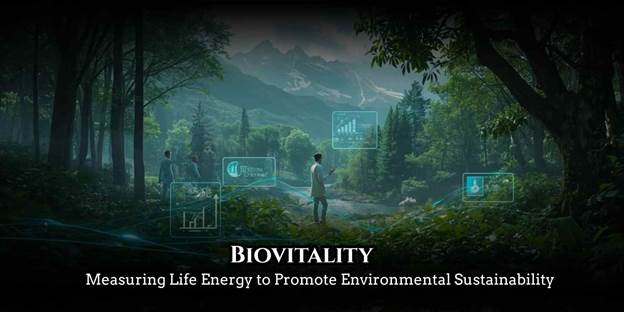
Understanding Biovitality: The Hidden Pulse of Life Energy
The concept of biovitality refers to the natural energy that supports all living systems. It is not merely a metaphor but a measurable dynamic that reflects the vitality of organisms and ecosystems. Environmental scientists describe it as the biological vigor or “life force” that influences the health, productivity, and adaptability of natural environments.
Historically, ancient cultures recognized this phenomenon in various forms Chinese Qi, Indian Prana, and Greek Pneuma all pointing toward a universal life energy. Today, ecological science provides empirical evidence of biovitality through studies of nutrient cycling, energy transfer, and photosynthetic efficiency in ecosystems.
Modern technology now allows us to assess this vitality using remote sensing, satellite data, and biosensor systems. These measurements help determine how climate change, pollution, and deforestation affect the Earth’s living pulse.
The Scientific Basis of Biovitality and Ecosystem Dynamics
The study of biovitality connects deeply with ecology and systems biology. Ecosystems with high biovitality exhibit robust biodiversity, balanced nutrient cycles, and adaptive resilience. Conversely, when biovitality declines, ecosystems lose their ability to recover from stressors like droughts or invasive species.
Key Components of Biovitality Measurement:
- Biomass productivity – The rate at which plants and microorganisms convert energy through photosynthesis
- Soil microbial activity – The intensity of biological decomposition and nutrient exchange
- Biodiversity levels – Diversity ensures stability and resilience against environmental disruptions
- Energy flow efficiency – How effectively solar energy transfers through trophic levels
Scientists use biovitality indicators to identify fragile environments and guide conservation efforts. For instance, satellite-based chlorophyll monitoring reveals the biovitality index of forest canopies, showing regions with declining health due to human pressure.
Related Article: Biovitality and Ecosystem Resilience: Understanding the Pulse of a Living Planet
Biovitality and Environmental Sustainability: A Symbiotic Relationship
Environmental sustainability depends directly on maintaining biovitality across ecosystems. When biovitality thrives, it supports clean air, fertile soil, and stable climate systems. This interconnectedness forms the foundation of sustainable development.
How Biovitality Supports Sustainability:
- Carbon Regulation: Forests with high biovitality absorb more carbon dioxide, mitigating climate change.
- Soil Fertility: Vital ecosystems promote nutrient cycling, ensuring long-term agricultural productivity.
- Water Purification: Wetlands with strong biovitality naturally filter pollutants and maintain freshwater quality.
- Biodiversity Protection: Healthy ecosystems sustain species diversity, crucial for global ecological balance.
Thus, enhancing biovitality through conservation and restoration practices is not optional it’s essential for planetary survival.
Real-World Examples of Biovitality in Action
The global community is increasingly applying biovitality-based approaches in sustainability initiatives. For example:
- Amazon Rainforest Monitoring: Researchers use biovitality mapping to identify regions at risk of ecological collapse and prioritize reforestation projects.
- Coral Reef Restoration: Marine biologists assess biovitality through coral metabolism and photosynthetic rates to track reef recovery.
- Urban Green Design: Cities like Singapore integrate biovitality principles into urban landscapes, promoting biodiversity and reducing heat island effects.
These applications prove that measuring life energy can inform smarter, data-driven environmental policies.

Challenges in Measuring and Maintaining Biovitality
Despite technological advances, assessing biovitality remains complex. The concept integrates multiple biological, chemical, and physical parameters, making standardization difficult. Furthermore, human activities continue to threaten planetary biovitality through pollution, habitat destruction, and climate instability.
Major Challenges:
- Data Complexity: Integrating diverse datasets from air, water, and soil systems
- Lack of Global Standards: No universal metric exists for quantifying biovitality accurately
- Anthropogenic Stress: Industrialization and urbanization rapidly degrade natural biovitality
Overcoming these barriers requires global cooperation, investment in green technologies, and public awareness about ecological health.
Future Pathways: Enhancing Biovitality Through Innovation
Emerging technologies such as AI-driven ecosystem modeling, biomonitoring drones, and quantum sensors are revolutionizing how scientists measure biovitality. These innovations offer precise insights into environmental fluctuations and early warnings of ecological stress.
Moreover, sustainable agricultural practices like regenerative farming and permaculture can significantly boost biovitality at local and global levels. By merging data science with ecological wisdom, humanity can foster an era of conscious co-evolution with nature.
Benefits of Strengthening Global Biovitality
Enhancing biovitality offers multifaceted benefits across ecological, economic, and social dimensions:
- Resilient Ecosystems: Higher adaptability to climate extremes
- Healthier Communities: Cleaner air, water, and food sources
- Economic Growth: Sustainable industries rooted in ecosystem restoration
- Future Security: Preservation of natural capital for upcoming generations
When we protect biovitality, we protect the very essence of life itself.
Conclusion: Reviving the Planet’s Life Energy for a Sustainable Future
In summary, biovitality represents the living energy that sustains every organism and ecosystem. Measuring and preserving this life force is central to achieving environmental sustainability and resilience. By adopting biovitality-based solutions, we can rebuild the natural systems that ensure human survival.
To truly protect our planet, we must learn to read and respect the pulse of life its biovitality and act as responsible stewards of the living Earth. Explore the science of biovitality and join the movement toward a sustainable, thriving planet.