
Imagine walking through a vibrant field where colors dance with the wind, add the scent of blooming petals fills the air. This is not just a dream it’s the enchanting reality of Bloom Fields. More than just gardens, Bloom Fields are meticulously designed floral landscapes that transform ordinary spaces into breathtaking works of art. From countryside meadows to urban parks, these floral havens blend nature, design, and creativity to craft visually stunning environments.
In this article, we’ll explore what makes Bloom Fields unique, their origins, why they’re gaining global attention, and how they elevate both public and private spaces. Whether you’re a landscape designer, garden lover, or someone looking for outdoor inspiration, understanding Bloom Fields will help you see flowers in a whole new light.
What Are Bloom Fields?
A Definition of Bloom Fields
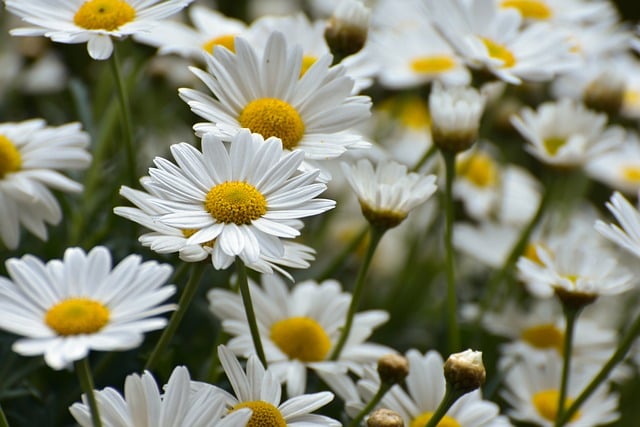
Bloom Fields are curated landscapes primarily composed of flowering plants arranged in artistic patterns. Unlike traditional gardens, which often follow functional or decorative rules, Bloom Fields emphasize creative expression through botanical design. These fields are purposefully designed to resemble paintings where flowers become the medium, and the landscape is the canvas.
Key Features of Bloom Fields:
•Diverse flower species with complementary bloom cycles
•Color-coordinated patterns and themes
•Seasonal planting to ensure year-round beauty
•Integration of natural elements like pathways, water features, or sculptures
These features create immersive experiences that are both visual and emotional.
The History and Evolution of Bloom Fields
The concept of using flowers to enhance landscapes dates back centuries. From the tulip fields of the Netherlands to the Mughal gardens in India, flowers have long played a central role in landscape design.
However, the modern Bloom Fields movement emerged in the late 20th century when artists and horticulturists began combining floral design with large-scale land art. Countries like Japan, France, and Canada led the way, introducing festivals and public installations that showcased flowers as artistic expressions.
Notable examples include:
•Keukenhof Gardens in the Netherlands
•Furano Flower Fields in Japan
•Mosaïculture exhibitions in Canada
These projects inspired a global appreciation for turning floral arrangements into large-scale living artworks.
Why Bloom Fields Matter in Today’s World
Environmental and Aesthetic Value
Bloom Fields play a vital role in enhancing urban and rural landscapes. Beyond their beauty, they contribute to:
•Pollinator support by attracting bees and butterflies
•Improved air quality through increased greenery
•Soil regeneration and erosion control
•Urban cooling effects in city environments
Aesthetically, they bring joy, offer mental health benefits, and encourage outdoor activity.
Cultural and Social Impact
Many communities now use Bloom Fields as venues for public events, weddings, art festivals, and educational programs. These fields become symbols of local identity, pride, and creativity.
Benefits of Bloom Fields
Creating and maintaining Bloom Fields offers a wide range of benefits that go beyond the visual.
1.Visual Appeal and Tourism Boost
Beautiful floral landscapes attract visitors, making Bloom Fields popular tourist destinations. Cities that invest in such fields often see increased foot traffic, local business growth, and media attention.
2.Mental Health and Wellbeing
Spending time in nature, especially in visually rich environments like Bloom Fields, has been shown to reduce stress, improve mood, and increase mindfulness.
3.Biodiversity Support
By planting a variety of flowers, Bloom Fields support biodiversity by providing habitat for insects, birds, and small mammals.
4.Educational Opportunities
These landscapes can serve as living classrooms where students learn about botany, ecology, and sustainability.
Challenges in Creating Bloom Fields
While beautiful, Bloom Fields require careful planning and ongoing care. Here are some of the main challenges:
1.Climate Compatibility
Choosing the right flower species that can thrive in local climates is essential. Without this, maintaining bloom quality year-round becomes difficult.
2.Seasonal Planning
Designers must account for staggered bloom cycles to ensure consistent visual appeal. This involves complex planting schedules and regular updates.
3.Maintenance and Cost
Regular watering, pruning, fertilization, and pest control are necessary to keep the field healthy and visually appealing. These efforts demand resources and skilled labor.
4.Space Limitations
In dense urban settings, finding open spaces for large Bloom Fields can be a hurdle. However, vertical gardens and rooftop installations are creative solutions to this challenge.
Examples of Bloom Fields Around the World
Here are some iconic Bloom Fields that have inspired both visitors and designers:
•Dubai Miracle Garden (UAE)
Home to over 150 million flowers, arranged in intricate sculptures and patterns.
•Hitachi Seaside Park (Japan)
Known for its rolling hills covered in baby blue nemophila in spring and fiery red kochia in autumn.
•Carlsbad Flower Fields (California, USA)
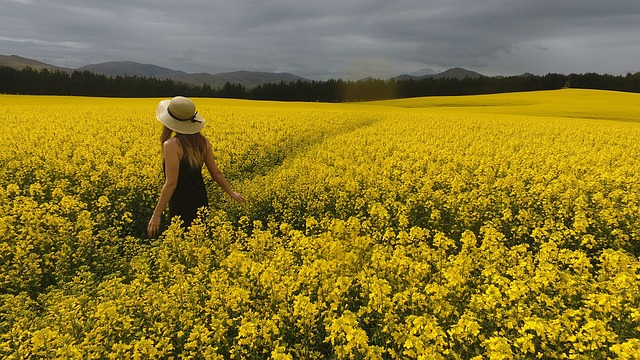
A sea of vibrant ranunculus blooms stretching over 50 acres, attracting thousands each season.
•Lavender Fields in Provence (France)
Rows of aromatic lavender set against a backdrop of historic villages, capturing global attention.
Each of these Bloom Fields showcases how flowers, when thoughtfully arranged, can transcend gardening and enter the realm of art.
How to Create Your Own Bloom Field
Even if you don’t have acres of land, you can design your own mini Bloom Field at home.
Steps to Start:
1.Choose a theme or color palette
2.Select flower species with different bloom times
3.Plan a layout using symmetry or natural flow
4.Use raised beds or containers if space is limited
5.Include pathways, seating, or focal points like birdbaths
With time, your backyard can become your personal Bloom Field a sanctuary of color, fragrance, and life.
Conclusion
Bloom Fields are more than beautiful flower patches they are dynamic, living expressions of nature and human creativity. By turning landscapes into art, they enhance communities, support ecosystems, and uplift our spirits. Whether you visit a world-famous site or create a small one in your backyard, Bloom Fields prove that flowers have the power to transform the ordinary into the extraordinary.
Want to experience more floral wonders or start your own Bloom Field journey? Explore local gardens, get inspired by nature, and let your landscape bloom into a masterpiece.