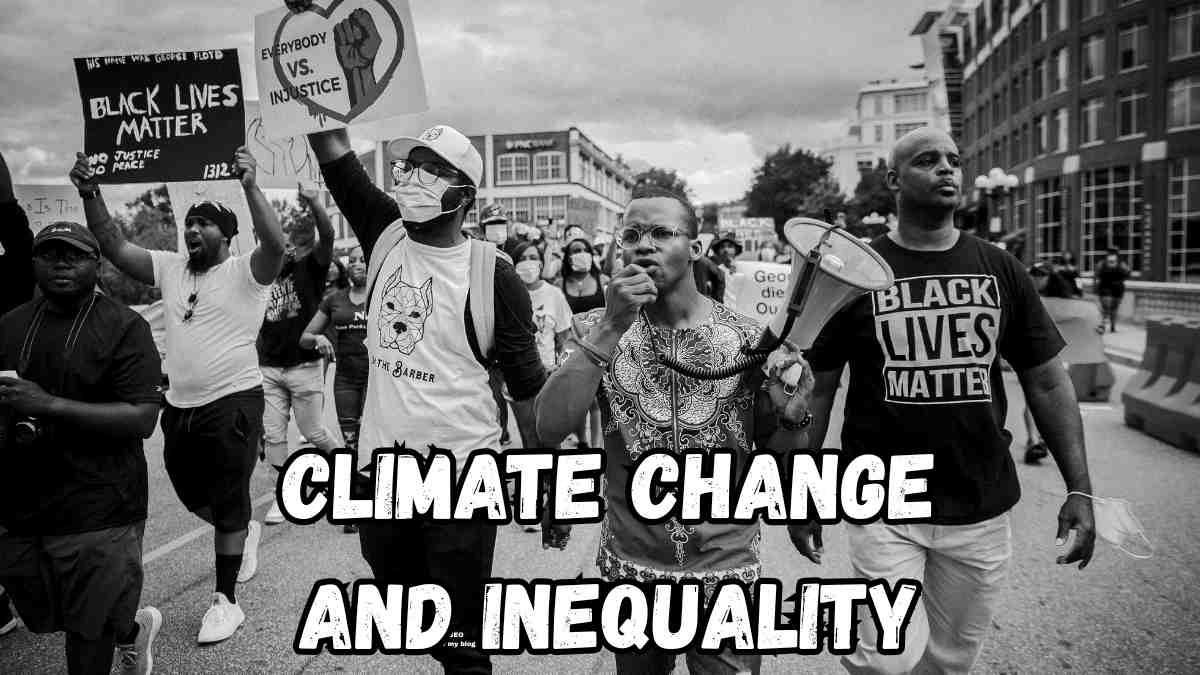
Climate change and inequality are deeply connected challenges shaping lives across the globe, affecting vulnerable populations far more than privileged ones. Rising temperatures, extreme weather, and environmental degradation often hit low-income communities first, limiting access to food, health care, and safe housing.
This imbalance highlights how environmental crises are also social and economic issues. In this article, we explore how climate pressures intensify existing disparities, why marginalized groups face higher risks, and what this means for long-term development. You will also learn about key links with social justice, economic disparity, environmental justice, poverty, and global development, along with practical insights into building fairer, more resilient societies for the future.
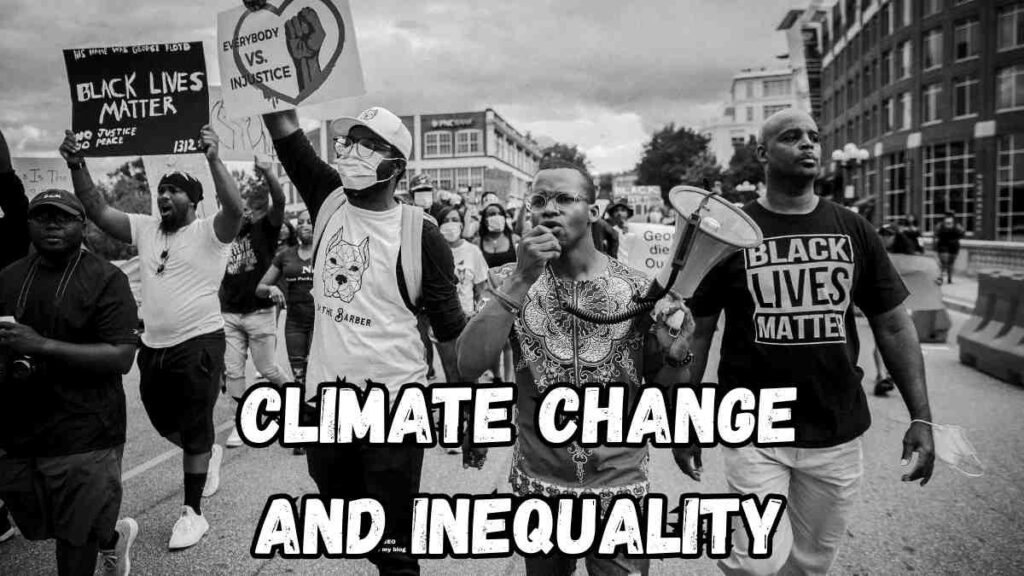
Understanding Climate Change and Inequality
Definition and Core Overview
Climate change and inequality refers to the unequal way climate impacts are distributed across societies. While climate change affects everyone, its consequences are not shared fairly. Communities with fewer resources often face greater exposure to risks such as floods, heatwaves, and food insecurity, while having limited capacity to adapt. This imbalance connects environmental issues with economic disparity, social justice, and environmental justice, making it a global concern that goes beyond nature alone.
Historical Background
Historically, industrial growth in wealthier nations fueled emissions, while poorer regions contributed least but suffered most. Over time, rapid urbanization, population growth, and unequal development deepened these gaps. Today, climate change and inequality is recognized as a structural issue rooted in historical emissions, governance systems, and uneven access to resources.
Why Climate Change and Inequality Matters Globally
Social and Economic Significance
The link between climate stress and inequality threatens global development and long-term stability. Climate disasters can erase decades of progress by pushing vulnerable groups deeper into poverty. Health risks, job losses, and displacement often follow, widening existing social divides.
Environmental Justice Perspective
From an environmental justice viewpoint, fairness means ensuring that no group bears a disproportionate share of environmental harm. Addressing climate change and inequality is essential to protect human rights and promote inclusive growth.
How Climate Impacts Unequal Communities
Disproportionate Exposure
Low-income communities are more likely to live in high-risk areas such as floodplains or informal settlements. They face stronger impacts from storms, droughts, and rising sea levels.
Limited Adaptive Capacity
Access to insurance, technology, and emergency services is often limited. This reduces resilience and recovery speed, reinforcing cycles of vulnerability linked to economic disparity.
Key Features of Climate Change and Inequality
Structural Drivers
Several systemic factors intensify unequal outcomes:
- Unequal access to resources and infrastructure
- Limited political representation of marginalized groups
- Dependence on climate-sensitive livelihoods
- Weak health and education systems
- Lack of inclusive climate policies
These drivers show why climate change and inequality cannot be solved through environmental action alone.
Intersection With Social Systems
Climate risks intersect with gender, age, and geography. Women, children, and rural populations often face higher burdens, linking the issue directly to social justice concerns.
Benefits of Addressing Inequality in Climate Action
Stronger Resilience
Inclusive climate strategies improve resilience for entire societies. When vulnerable groups are supported, communities recover faster and reduce long-term costs.
Sustainable Development Gains
Tackling climate change and inequality supports global development by protecting livelihoods, improving health outcomes, and promoting economic stability.
Challenges and Drawbacks
Policy and Funding Gaps
One major challenge is inadequate funding for adaptation in low-income regions. Climate finance often favors mitigation projects over community-level resilience.
Governance Barriers
Weak institutions and lack of coordination can limit effective action. Without inclusive decision-making, policies may fail to reach those most in need.
Practical Approaches to Reduce Inequality
Inclusive Climate Policies
Governments and organizations can adopt people-centered approaches that integrate environmental justice principles.
Community-Based Solutions
Local knowledge and participation strengthen outcomes. Effective approaches include:
1.Investing in climate-resilient infrastructure
2.Expanding access to clean energy
3.Supporting climate-smart agriculture
4.Improving early warning systems
5.Strengthening social safety nets
These actions directly reduce risks associated with climate change and inequality.
Real-World Examples and Use Cases
Urban and Rural Contexts
In cities, heat action plans protect low-income neighborhoods from extreme temperatures. In rural areas, water management projects help farmers adapt to changing rainfall patterns. Such examples show how targeted interventions can balance outcomes linked to economic disparity.
Global Cooperation
International agreements increasingly recognize fairness as central to climate action. Shared responsibility and support are key to reducing climate change and inequality worldwide.
Recommendations for a Fairer Future
Integrated Climate and Social Strategies
Effective solutions combine climate adaptation with poverty reduction, health, and education initiatives. Aligning policies across sectors ensures lasting impact.
Long-Term Vision
Addressing climate change and inequality requires sustained commitment, inclusive governance, and global cooperation to build resilient and equitable societies for future generations.
Conclusion
The discussion highlights how climate change and inequality intersect to shape social, economic, and environmental outcomes worldwide. Unequal exposure, limited adaptive capacity, and structural barriers place vulnerable groups at greater risk, reinforcing economic disparity and poverty. Addressing these challenges requires inclusive policies, community-driven solutions, and a strong focus on environmental justice, social justice, and global development. By aligning climate action with equity goals, societies can strengthen resilience, protect livelihoods, and promote sustainable progress. Confronting climate change and inequality is not optional it is vital for a fair and stable future.