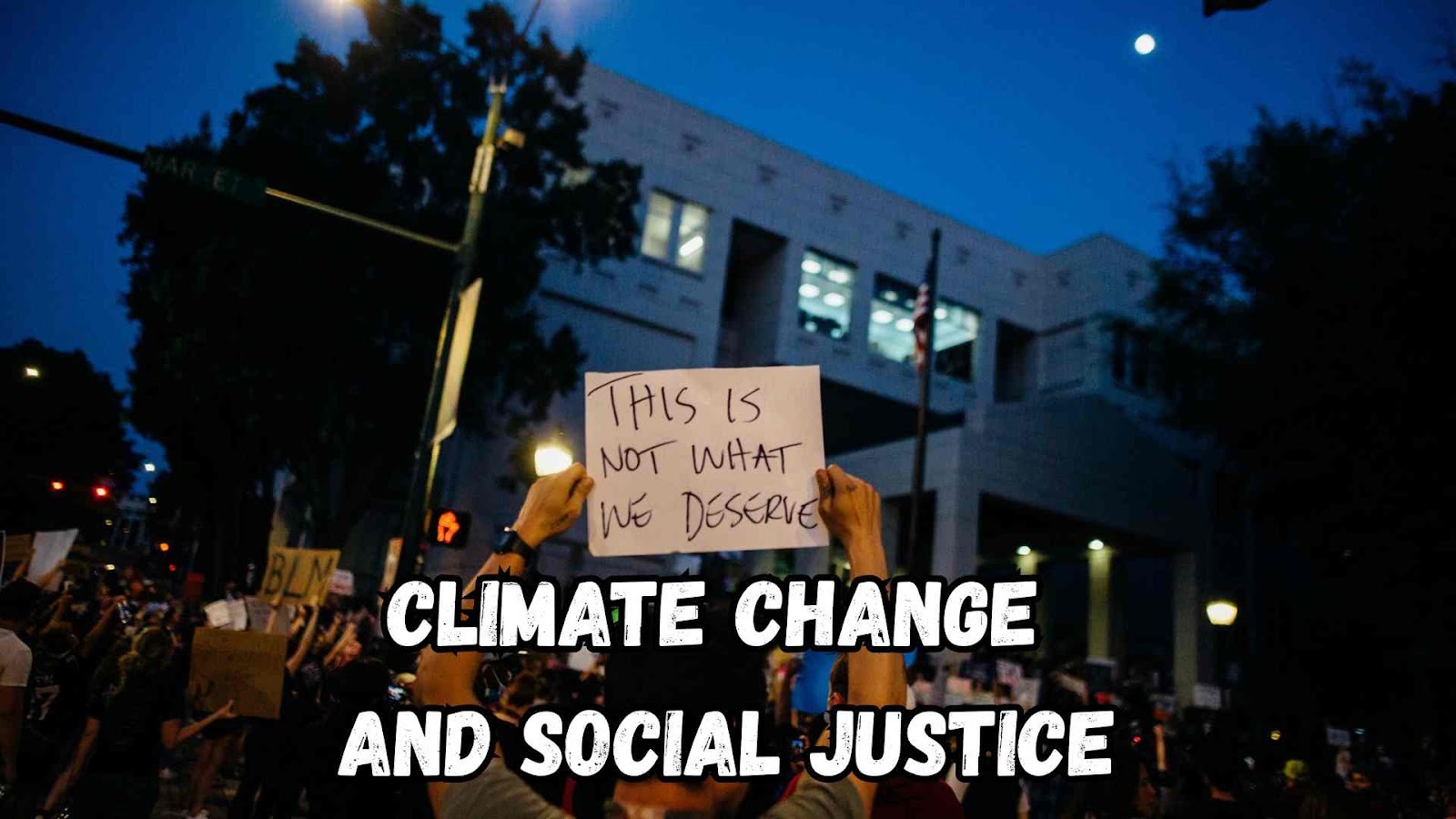
Climate change and social justice are deeply interconnected issues that are reshaping societies worldwide. As communities face rising global temperatures, extreme weather events, and environmental degradation, the most vulnerable populations often bear the heaviest burdens.
This article explores how inequality, human rights, and sustainable development intersect with climate challenges, highlighting the urgent need for equitable solutions. We will examine the social, economic, and environmental impacts of climate change while emphasizing the role of policy reforms and community resilience in creating a fairer world.
By understanding these connections, readers can appreciate why addressing climate change is not just an environmental concern but also a matter of justice and human dignity. Whether you are a policymaker, activist, or concerned citizen, this discussion offers insights into building a more just and sustainable future.
Understanding Climate Change and Social Justice
Climate change and social justice are interconnected challenges that affect communities worldwide. Climate change refers to long-term shifts in temperature, precipitation, and weather patterns primarily caused by human activities such as carbon emissions, deforestation, and industrialization. Social justice focuses on fairness, equality, and equitable access to resources and opportunities for all individuals. When combined, these concepts highlight how marginalized communities often suffer disproportionately from environmental impacts, making the fight against climate change also a fight for human rights and equity. Understanding the intersection of these issues is essential for creating policies and solutions that are both environmentally sustainable and socially fair.
Historical Context and Background
Historically, industrialization and urbanization have driven significant environmental degradation. Early climate policies focused mainly on reducing greenhouse gases and conserving natural resources. However, social dimensions were often overlooked, leaving vulnerable populations exposed to floods, droughts, heatwaves, and other disasters. Over time, scholars and activists emphasized the importance of linking climate action with social equity, giving rise to the concept of climate justice. Today, this approach ensures that climate solutions are inclusive, addressing the needs of all communities, particularly those historically marginalized.
Key Features of Climate Change and Social Justice
Unequal Impact on Vulnerable Communities
Communities with limited resources often experience the worst effects of climate change, including food insecurity, displacement, and health risks. These inequalities highlight the need for inclusive policies that prioritize both environmental protection and social welfare.
Intersection with Human Rights
Climate justice intersects with human rights, ensuring that everyone has access to clean water, air, and safe living conditions. Policies promoting justice must account for economic inequality, gender disparities, and cultural rights to protect vulnerable populations.
Global and Local Dimensions
Climate justice operates at both global and local levels. International agreements like the Paris Accord aim to reduce global emissions, while local initiatives focus on community resilience, sustainable development, and environmental education.
Benefits of Addressing Climate Change and Social Justice
1.Improved community resilience against natural disasters
2.Equitable distribution of resources and economic opportunities
3.Stronger policy frameworks for sustainable development
4.Enhanced public health outcomes through cleaner environments
5.Empowered communities through participatory decision-making
By integrating social justice into climate policies, societies can create holistic solutions that reduce harm and promote well-being for all.
Challenges and Drawbacks
Economic Constraints
Implementing climate justice initiatives can be expensive, especially for developing countries with limited financial resources.
Political Resistance
Policy reforms often face opposition from stakeholders with vested interests in industries contributing to carbon emissions.
Knowledge Gaps
Lack of awareness and education on climate impacts can hinder effective action, particularly in rural or underserved regions.
Social Inequalities
Persistent poverty and discrimination exacerbate vulnerability to climate risks, requiring targeted interventions.
Coordination Difficulties
Aligning global policies with local implementation can be complex, demanding strong governance and international collaboration.
How Climate Justice Works
Climate justice strategies combine environmental action with equity-focused solutions. Key steps include:
1.Identifying the most vulnerable populations
2.Assessing climate risks and social disparities
3.Developing policies that reduce emissions and protect communities
4.Promoting sustainable practices like renewable energy and circular economy
5.Encouraging community participation and education
This approach ensures that both ecological and social dimensions are addressed simultaneously.

Types and Categories
Procedural Justice
Focuses on fair decision-making processes, ensuring community voices are included in policy creation.
Distributive Justice
Ensures equitable allocation of resources, including energy, water, and disaster relief.
Recognitional Justice
Acknowledges the unique experiences of marginalized groups affected by climate impacts.
Intergenerational Justice
Considers the rights of future generations in environmental planning and sustainability initiatives.
Recommendations and Use Cases
Governments, NGOs, and communities can adopt several practices to promote climate change and social justice:
1.Invest in renewable energy projects benefiting vulnerable communities
2.Enforce inclusive policy-making that addresses economic and social inequalities
3.Implement climate adaptation programs such as flood defenses and sustainable agriculture
4.Educate citizens about climate impacts and personal responsibility
5.Support research on equitable climate solutions to guide long-term strategies
Real-world examples include community-led solar power projects, urban green spaces in low-income neighborhoods, and disaster relief programs targeting marginalized populations.
Conclusion
Addressing climate change and social justice is essential for building a fairer and more sustainable world. By understanding the unequal impacts, historical context, and key features of climate justice, we can create policies that protect vulnerable communities, promote human rights, and strengthen community resilience. Although challenges like economic constraints, political resistance, and social inequalities exist, adopting inclusive strategies, sustainable practices, and participatory decision-making can drive meaningful change. Emphasizing both environmental protection and social equity ensures a future where development benefits everyone, highlighting the urgent need for global and local action.