The effect of chromium on plants has emerged as a critical concern in modern agriculture, particularly as industrial activities continue to release this heavy metal into soil and water systems. Chromium contamination poses significant threats to crop productivity, food safety, and ecosystem health worldwide. As agricultural lands increasingly face pollution from tanneries, electroplating industries, and chromite mining operations, understanding how this toxic element disrupts plant physiology becomes essential for developing sustainable farming practices.
This article explores the mechanisms behind chromium toxicity in plants, examining how different oxidation states of chromium interfere with nutrient uptake, photosynthesis, and cellular functions. We’ll delve into the biochemical pathways through which crops experience oxidative stress and growth inhibition, while also highlighting promising tolerance strategies and phytoremediation techniques that can help mitigate chromium’s harmful effects in contaminated agricultural systems.
Understanding Chromium Contamination in Agricultural Soils
Chromium exists primarily in two oxidation states: trivalent chromium (Cr³⁺) and hexavalent chromium (Cr⁶⁺). While Cr³⁺ occurs naturally and remains relatively stable in soil, Cr⁶⁺ is highly toxic and mobile, making it the primary concern for agricultural systems. Industrial effluents from leather tanning, metal plating, and textile dyeing operations introduce substantial quantities of chromium into farmlands, where it accumulates over time and disrupts normal plant growth.
The concentration of chromium in uncontaminated soils typically ranges from 10 to 50 mg/kg. However, agricultural areas near industrial zones often exhibit levels exceeding 200 mg/kg, creating hostile conditions for crop cultivation. This heavy metal enters plants through root systems and gradually moves to aerial parts, interfering with essential physiological processes.
Mechanisms of Chromium Toxicity in Plants
Disruption of Nutrient Uptake
The effect of chromium on plants begins at the root level, where excessive chromium interferes with the absorption of essential nutrients. This heavy metal competes with iron, magnesium, and phosphorus for uptake sites on root membranes, leading to nutrient deficiencies even when soil fertility appears adequate.
Key impacts include:
- Reduced iron absorption causing chlorosis in young leaves
- Impaired phosphorus uptake affecting energy metabolism
- Magnesium deficiency disrupting chlorophyll synthesis
- Calcium imbalance weakening cell wall structure
Oxidative Stress and Cellular Damage
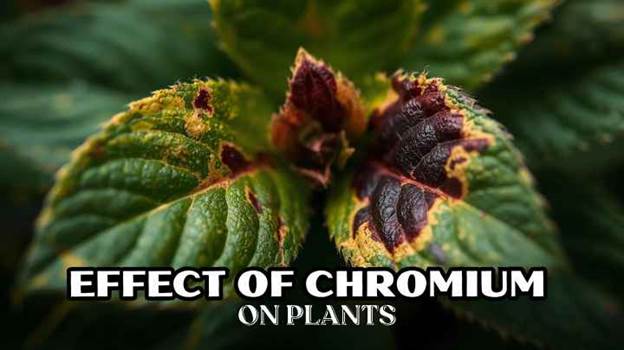
When chromium accumulates in plant tissues, it triggers the overproduction of reactive oxygen species (ROS). These highly reactive molecules attack cellular components, causing lipid peroxidation, protein degradation, and DNA damage. The effect of chromium on plants manifests as stunted growth, leaf discoloration, and reduced biomass production.
Plants experiencing chromium toxicity show visible symptoms including:
- Necrotic spots on leaf margins
- Yellowing of older leaves progressing to younger foliage
- Wilting despite adequate water availability
- Root browning and reduced lateral root development
Photosynthesis Inhibition
Chromium severely impacts photosynthetic efficiency by damaging chloroplast structure and inhibiting key enzymes. The heavy metal reduces chlorophyll content, disrupts electron transport chains, and impairs carbon fixation processes. Studies demonstrate that plants exposed to 100 mg/kg chromium show up to 60% reduction in photosynthetic rates compared to control groups.
Tolerance Strategies and Defense Mechanisms
Antioxidant Defense Systems
Plants have evolved sophisticated mechanisms to combat chromium stress. The activation of antioxidant enzymes represents the primary defense strategy against oxidative damage. Enzymes like superoxide dismutase (SOD), catalase (CAT), and peroxidase (POD) work collectively to neutralize harmful ROS molecules.
Certain crop varieties exhibit enhanced tolerance through:
- Elevated production of antioxidant compounds
- Efficient chelation of chromium ions in root tissues
- Compartmentalization of chromium in vacuoles away from metabolically active sites
- Reduced chromium translocation from roots to shoots
Phytoremediation Applications
Understanding the effect of chromium on plants has opened opportunities for phytoremediation, where specific plant species remove contaminants from polluted soils. Hyperaccumulator plants like Leersia hexandra and certain Brassica species can absorb and concentrate chromium without showing severe toxicity symptoms.
Successful phytoremediation strategies involve:
- Selecting high-biomass plants with chromium accumulation capacity
- Implementing proper harvesting and disposal of contaminated plant material
- Combining multiple plant species for enhanced removal efficiency
- Regular monitoring of soil chromium levels during remediation
Agricultural Management Practices
Farmers facing chromium contamination can adopt several mitigation strategies to minimize crop damage. Soil amendments like organic matter, biochar, and lime reduce chromium bioavailability by altering soil pH and binding capacity. The effect of chromium on plants can be significantly reduced through proper irrigation management that prevents chromium mobilization in waterlogged conditions.
Crop rotation with chromium-tolerant species helps maintain productivity while gradually reducing soil contamination levels. Additionally, selecting resistant cultivars and avoiding crops destined for direct human consumption in moderately contaminated areas protects food safety.

Future Perspectives in Chromium Stress Management
Recent advances in biotechnology offer promising solutions for managing the effect of chromium on plants. Genetic engineering approaches aim to develop crops with enhanced chromium tolerance through overexpression of antioxidant genes and improved metal sequestration capabilities. Microbial inoculants containing chromium-reducing bacteria show potential in converting toxic Cr⁶⁺ to less harmful Cr³⁺ forms directly in the rhizosphere.
Conclusion
The effect of chromium on plants represents a significant challenge for sustainable agriculture in industrially impacted regions. From disrupting nutrient uptake and photosynthesis to triggering oxidative stress, chromium contamination threatens crop productivity and food security. However, understanding toxicity mechanisms has paved the way for effective tolerance strategies, including antioxidant enhancement, phytoremediation techniques, and improved agricultural management practices. As chromium pollution continues affecting farmlands globally, implementing these science-based solutions becomes crucial for protecting plant health and ensuring safe food production. Stay informed about emerging remediation technologies and adopt best practices to minimize the effect of chromium on plants in your agricultural systems.