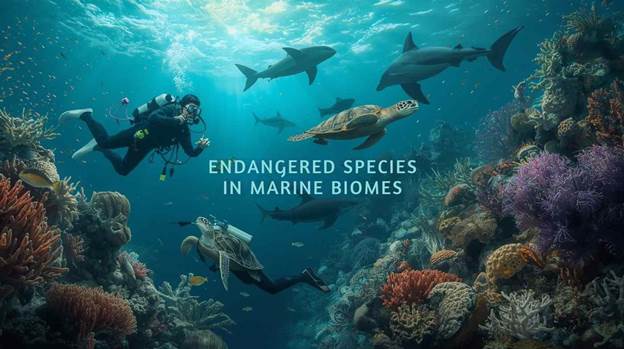
The fragile world of endangered species in marine biomes is facing unprecedented threats, from pollution to climate change, putting countless aquatic creatures at risk of extinction. Oceans and coastal ecosystems are home to a vast array of life, including marine biodiversity hotspots and unique organisms that play a critical role in maintaining ecological balance.
This article explores the challenges these species face, highlights ongoing marine conservation efforts, and offers insights into how protecting these ecosystems benefits both wildlife and humans. By understanding the pressures on marine life and the importance of sustainable ocean practices, we can take informed steps to safeguard these invaluable species for future generations.
Understanding Endangered Species in Marine Biomes
Definition of Endangered Species in Marine Biomes
Endangered species in marine biomes refer to aquatic animals and plants at significant risk of extinction due to factors like habitat destruction, climate change, overfishing, and pollution. These species inhabit oceans, coral reefs, mangroves, and estuaries, forming an essential part of global marine biodiversity. Protecting them ensures ecological balance and preserves resources vital for human and environmental well-being.
Background and History of Marine Species Conservation
Early Awareness
Efforts to protect marine life date back to the early 20th century when overfishing and habitat destruction started threatening key ocean species. Awareness grew through scientific research, documentaries, and international conventions.
Modern Conservation Movements
Organizations like the International Union for Conservation of Nature (IUCN) and national marine conservation agencies play a critical role in monitoring.The Policies now focus on sustainable fishing, marine protected areas, and biodiversity preservation.
Importance of Endangered Species in Marine Biomes
Ecological Balance
Endangered species in marine biomes help maintain food chains and nutrient cycles. Their presence ensures that predator-prey relationships remain balanced, preventing overpopulation or depletion of certain species. For example, the decline of predatory fish like sharks can lead to an overabundance of smaller fish, affecting marine ecosystem stability.
Economic Significance
Marine biodiversity contributes to global economies through fisheries, tourism, and pharmaceuticals. Protecting endangered species in marine biomes ensures sustainable livelihoods for coastal communities and maintains the availability of marine resources.
Cultural and Scientific Value
Many cultures depend on marine species for traditional practices. Additionally, studying these organisms helps scientists understand evolutionary patterns, climate change impacts, and marine ecosystem functions.
Benefits of Protecting Endangered Species
Environmental Benefits
• Preserves biodiversity and genetic resources essential for ecological resilience
• Maintains healthy coral reefs and seagrass beds that act as natural carbon sinks
• Supports natural regeneration of fish populations and other marine life
Societal Benefits
• Ensures sustainable fishing practices for future generations
• Promotes ecotourism and educational programs about marine life
• Reduces the risk of ecosystem collapse, which could directly affect coastal communities
Challenges Facing Endangered Species
Habitat Destruction
Urbanization, industrial development, and coastal pollution damage critical habitats such as mangroves, coral reefs, and estuaries. This loss severely impacts endangered species in marine.
Overfishing and Illegal Trade
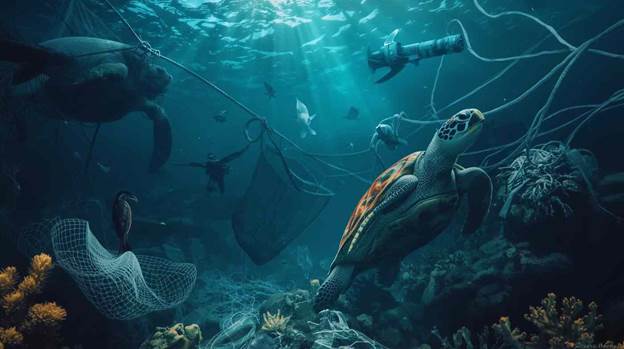
Unsustainable fishing techniques, bycatch, and illegal trade threaten species like sea turtles, sharks, and certain fish populations. These practices disrupt marine food webs and hinder natural regeneration.
Climate Change
Rising ocean temperatures, acidification, and extreme weather events affect the survival of marine species. Coral bleaching, for instance, eliminates shelter and food sources for numerous marine organisms.
Pollution
Plastic waste, oil spills, and chemical runoff introduce toxins into marine habitats, endangering species health and reproduction. Microplastics also accumulate in food chains, affecting both wildlife and human populations.
Examples of Endangered Species in Marine Biomes
Iconic Marine Species
• Hawksbill turtles
• Blue whales
• Great white sharks
• Vaquita porpoises
Reef and Coastal Species
• Clownfish and other coral-dependent fish
• Seahorses and pipefish
• Mangrove crabs and mollusks
Success Stories in Conservation
Marine Protected Areas (MPAs)
Creating MPAs has helped recover certain fish populations and coral reef health. Examples include the Great Barrier Reef Marine Park in Australia and the Phoenix Islands Protected Area in the Pacific.
Species Rehabilitation Programs
Breeding and release programs for sea turtles, manatees, and other endangered species demonstrate that targeted conservation efforts can lead to measurable recovery.
Steps to Support Endangered Species
• Support sustainable seafood choices and certified fisheries
• Reduce plastic use and marine pollution through recycling initiatives
• Advocate for marine conservation policies and protected areas
• Participate in community-driven beach clean-ups and conservation projects
Conclusion:
Protecting endangered species in marine biomes is essential for maintaining ecological balance, supporting economies, and preserving the natural beauty of our oceans. From sustaining food chains to safeguarding biodiversity, these species play a crucial role in healthy marine ecosystems. Despite challenges like pollution, climate change, and overfishing, conservation efforts such as protected areas and rehabilitation programs offer hope for recovery. Staying informed and supporting sustainable practices can make a real difference. Explore further ways to contribute and help ensure that marine life thrives for generations to come.