Endemism the presence of species restricted to specific geographic areas thrives in these secluded environments. Islands are often described as living laboratories of evolution, where unique species evolve in isolation, creating remarkable biodiversity found nowhere else on Earth.
In this article, we explore how isolation, evolutionary adaptation, and habitat diversity contribute to the formation of distinct island flora and fauna. You’ll also discover the environmental and geological factors shaping these ecosystems, such as volcanic origins, limited migration, and niche specialization. By understanding the patterns and causes of endemism, we gain insight into how islands become hotspots of biodiversity and why conserving these fragile habitats is vital for maintaining global ecological balance.
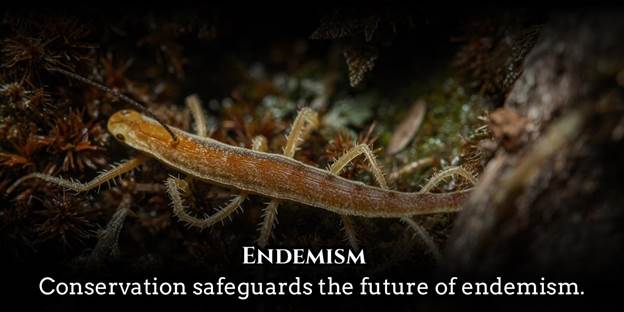
Understanding Endemism in Island Ecosystems
These refers to the ecological condition where plant or animal species are found exclusively in a specific geographic area, such as an island, mountain range, or isolated habitat. Islands, being naturally separated from continental landmasses, provide ideal environments for species to evolve independently. Over time, this isolation results in unique genetic variations that give rise to endemic species found nowhere else in the world. Examples include the Komodo dragon in Indonesia and the lemurs of Madagascar. These isolated populations evolve distinctive traits, shaped by limited resources, unique climates, and evolutionary pressures.
The Origin and Evolutionary Background
Island ecosystems have fascinated biologists for centuries. Charles Darwin’s observations of finches in the Galápagos Islands highlighted how geographic isolation can drive the evolution of new species. This process, known as adaptive radiation, occurs when a single ancestral species diversifies into multiple forms to exploit different ecological niches.
Key evolutionary mechanisms behind island include:
- Genetic Drift Small populations are more likely to experience random genetic changes over time.
- Natural Selection Species adapt to available food sources, climate, and predators.
- Limited Gene Flow Geographic isolation restricts interbreeding with mainland populations, preserving unique traits.
These forces collectively shape the remarkable biodiversity found on islands across the globe.
Patterns of Endemism in Island Ecosystems
The patterns of endemism vary depending on factors such as island size, distance from the mainland, age, and environmental diversity. Generally, larger islands support greater numbers of endemic species due to their varied habitats, while older islands provide more time for evolutionary processes to occur.
Major patterns include:
- Single-Island Endemism Species found only on one island (e.g., Hawaiian honeycreepers).
- Multi-Island Endemism Species distributed across a group of islands (e.g., Galápagos tortoises).
- Neo-Endemism Recently evolved species that have not yet spread widely.
- Paleo-Endemism Ancient species that have survived in isolated conditions.
These patterns help scientists understand how ecological isolation and environmental conditions interact to influence biodiversity.
Environmental and Geological Causes
Several environmental and geological factors contribute to the high levels of island ecosystems:
- Geographical Isolation Distance from the mainland limits species migration, leading to independent evolution.
- Habitat Specialization Varied microclimates and terrain encourage species to adapt to specific niches.
- Volcanic and Tectonic Activity New islands formed by volcanic eruptions create opportunities for colonization and adaptation.
- Climate Variation Islands experience distinct climatic zones, supporting diverse ecological communities.
For instance, volcanic islands like Hawaii exhibit a progression of species colonization and adaptation over time, known as the island biogeography model.
Importance of Endemism for Global Biodiversity
They plays a crucial role in maintaining the planet’s ecological richness. These unique species often serve as indicators of evolutionary processes and environmental stability.
Significance includes:
- Genetic Diversity Endemic species contribute to the world’s gene pool, offering potential for scientific and medical research.
- Ecological Balance They maintain food web stability within island ecosystems.
- Cultural and Economic Value Many endemic species attract ecotourism, supporting local economies.
By studying, scientists can better understand the mechanisms of evolution and develop effective conservation strategies.
Challenges and Threats
Despite their ecological value, endemic species are extremely vulnerable to external pressures. Limited ranges and small population sizes make them more susceptible to extinction.
Major threats include:
- Habitat Destruction Urban development, deforestation, and agriculture reduce natural habitats.
- Invasive Species Introduced predators and competitors disrupt native populations.
- Climate Change Rising sea levels and temperature shifts alter island environments.
- Overexploitation Unsustainable tourism and resource extraction threaten delicate ecosystems.
For example, the flightless birds of New Zealand suffered massive declines due to invasive mammals introduced by humans.
Conservation Strategies and Solutions
Protecting endemic species requires a multifaceted approach involving local and global efforts. Conservation biologists emphasize habitat preservation, community engagement, and international cooperation.
Key conservation strategies include:
- Establishing Protected Areas National parks and marine reserves safeguard critical habitats.
- Restoring Native Ecosystems Reforestation and invasive species removal help reestablish natural balance.
- Sustainable Tourism Practices Limiting visitor numbers and promoting eco-friendly activities reduce pressure on sensitive environments.
- Public Awareness and Education Involving local communities ensures long-term commitment to conservation goals.
Collaborative projects such as the “Island Conservation Initiative” demonstrate how integrated action can successfully protect threatened species and ecosystems.
Examples of Notable Island Endemism
- Madagascar Over 80% of its wildlife, including lemurs and baobab trees, is endemic.
- Galápagos Islands Famous for Darwin’s finches and giant tortoises, showcasing adaptive evolution.
- Hawaii Home to hundreds of unique bird and plant species shaped by isolation and volcanic activity.
These examples highlight how isolation fosters remarkable diversity, making islands critical centers of evolution and conservation

Conclusion
In summary, island ecosystems reveal how isolation, evolution, and environmental diversity create extraordinary biodiversity through endemism. These unique species not only enrich global ecology but also provide vital insights into evolutionary processes. However, threats like habitat loss and climate change demand urgent conservation efforts. Protecting endemic life forms ensures the preservation of nature’s most remarkable evolutionary stories. To deepen your understanding of the patterns and causes of scientific research and support global initiatives that safeguard our planet’s most fragile island ecosystems.