Rising energy costs and growing concerns about climate change have made energy efficiency a top priority for homeowners worldwide. Whether you live in a small apartment or a spacious house, improving how you consume energy can significantly lower your utility bills while also reducing your carbon footprint. By making smarter choices in your daily habits and household upgrades, you can transform your living space into a more sustainable environment.
This article explores practical energy efficiency hacks for creating a greener home. From simple behavioral changes to long-term investments in smart technology, these strategies will help you save money, conserve resources, and contribute to a healthier planet.
What is Energy Efficiency?
Energy efficiency refers to using less energy to perform the same tasks while maintaining comfort and functionality. It’s not about giving up modern conveniences but about optimizing how electricity, heating, and cooling are used in your home. For example, switching to LED lighting or upgrading to Energy Star appliances helps reduce waste without sacrificing performance.
The concept has been around for decades, but in recent years, it has become central to environmental sustainability and financial savings. By embracing energy efficiency, households can play an active role in combating climate change while enjoying long-term cost benefits.
Benefits of Energy Efficiency in the Home
Enhancing energy efficiency offers both personal and global advantages.
1.Lowers utility bills by reducing unnecessary consumption
2.Improves indoor comfort through better insulation and climate control
3.Decreases greenhouse gas emissions and environmental impact
4.Increases property value with eco-friendly upgrades
5.Encourages healthier living with reduced reliance on fossil fuels
These benefits highlight why energy efficiency is one of the most effective tools for achieving a greener lifestyle.
Energy Efficiency Hacks for Everyday Living
Switch to LED Lighting
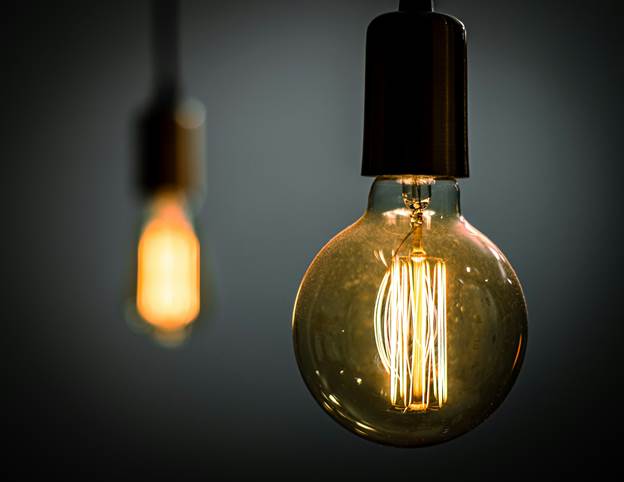
One of the simplest ways to improve energy efficiency is replacing incandescent bulbs with LED lights. LEDs consume up to 80% less energy and last significantly longer, which means fewer replacements and reduced costs over time.
Unplug Idle Electronics
Devices like chargers, microwaves, and televisions consume standby power even when not in use. Unplugging them or using smart power strips eliminates this “phantom energy” drain and can save a surprising amount on monthly bills.
Optimize Thermostat Settings
Heating and cooling account for nearly half of household energy use. Adjusting your thermostat by just a few degrees can drastically improve energy efficiency. Consider setting it lower in winter and higher in summer to cut energy consumption.
Smart Upgrades for Long-Term Energy Efficiency
Install Smart Thermostats
Smart thermostats learn your daily routines and adjust temperatures automatically, ensuring optimal energy efficiencywithout sacrificing comfort. Many models can be controlled remotely through smartphones, making them both convenient and cost-effective.
Upgrade to Energy-Efficient Appliances
Appliances like refrigerators, washing machines, and dishwashers can consume large amounts of energy. Choosing Energy Star-certified products ensures maximum performance with minimal energy waste, leading to significant savings over time.
Seal and Insulate Your Home
Air leaks and poor insulation force heating and cooling systems to work harder. By sealing gaps around doors and windows and adding insulation in attics or walls, you create a more efficient barrier that conserves energy year-round.
Water Heating and Energy Efficiency
Water heating is another major energy consumer in most households. A few adjustments can make a big difference.
1.Install low-flow showerheads and faucets to reduce water usage
2.Lower the water heater temperature to 120°F for safety and efficiency
3.Insulate water heater tanks and pipes to minimize heat loss
4.Consider switching to tankless water heaters for on-demand efficiency
Renewable Energy Options at Home
For homeowners seeking a bigger impact, renewable energy systems provide long-term solutions.
Solar Panels
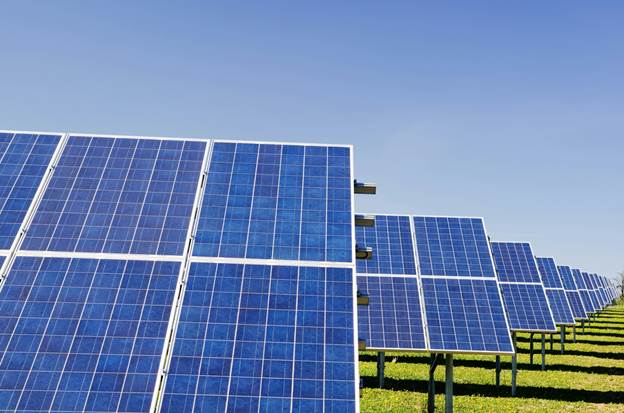
Installing solar panels reduces dependence on traditional power grids and lowers electricity bills. While the upfront cost can be high, incentives and long-term savings make them a worthwhile investment.
Small Wind Turbines
In suitable locations, residential wind turbines can contribute to household energy needs, complementing solar systems and enhancing overall energy efficiency.
Community Renewable Programs
If installing renewable systems isn’t feasible, many regions offer community solar or wind programs where households can share the benefits of clean energy without individual installations.
Overcoming Challenges in Energy Efficiency
Despite its advantages, implementing energy efficiency strategies may face some obstacles.
1.Upfront costs for appliances or renewable energy systems can be high
2.Lack of awareness about available incentives and rebates
3.Resistance to changing daily habits or routines
4.Limited access to advanced technology in certain areas
Overcoming these challenges requires education, government support, and a willingness to embrace sustainable practices.
Global Examples of Energy Efficiency Success
Countries around the world showcase how energy efficiency can transform communities.
- Germany has become a leader in renewable energy adoption and efficient building codes.
- Japan emphasizes compact, highly efficient home designs that reduce waste.
- The United States promotes Energy Star programs to help homeowners choose efficient appliances and systems.
These examples demonstrate that energy efficiency is a universal solution adaptable to different environments and lifestyles.
Conclusion
Improving energy efficiency in your home doesn’t require massive changes—small daily habits combined with smart upgrades can deliver powerful results. From switching to LED lighting and sealing leaks to investing in renewable energy systems, these strategies save money, reduce carbon emissions, and create healthier living spaces.
By adopting these energy efficiency hacks, you contribute to both personal savings and global sustainability. The path to a greener home starts with simple, intentional choices that, over time, make a lasting impact. Now is the perfect time to embrace energy efficiency for a cleaner, more sustainable future.