Environmental conservation efforts are evolving rapidly, bringing hope to a planet facing growing ecological challenges. Around the world, communities, organizations, and innovators are embracing sustainable solutions, eco-friendly technologies, and green initiatives that protect natural resources and restore biodiversity. From renewable energy projects to waste reduction programs, these forward-thinking approaches are reshaping how humanity interacts with the environment.
Table of Contents
This article explores the most innovative global strategies that are driving measurable change highlighting success stories, emerging trends, and the collective impact of people determined to build a greener, more sustainable future for generations to come.
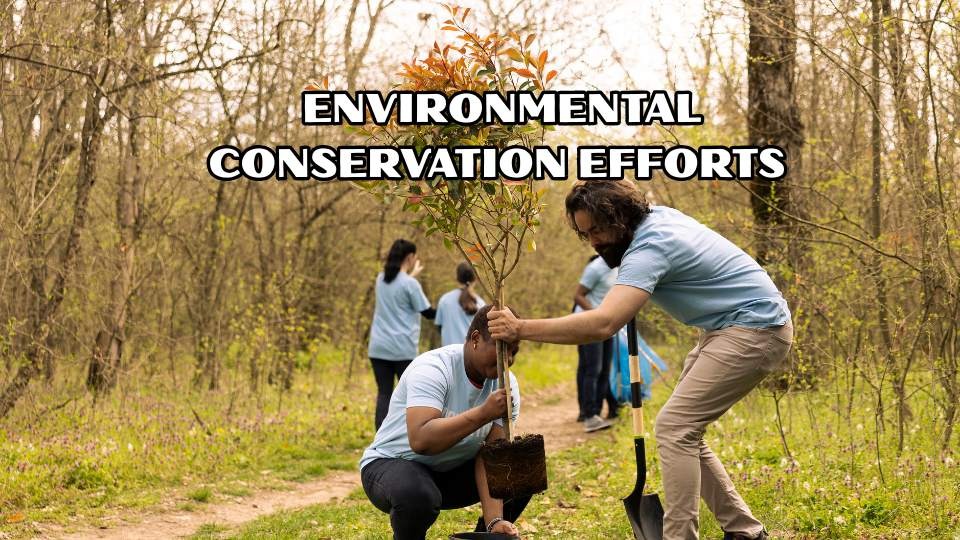
Innovative Environmental Conservation Efforts and Sustainable Practices Worldwide
Understanding Environmental Conservation Efforts
Environmental conservation efforts refer to the actions taken globally to protect, restore, and sustainably manage the natural environment. These include activities like reforestation, wildlife protection, clean energy adoption, and waste reduction. The goal is to maintain ecological balance while ensuring that natural resources are available for future generations. In recent years, innovation and technology have become powerful tools in advancing these initiatives, making conservation more effective, measurable, and inclusive.
A Brief Background and Evolution of Global Efforts
Environmental awareness began gaining global attention in the late 20th century, following rising pollution levels and habitat destruction. Events like the first Earth Day in 1970 and the establishment of the United Nations Environment Programme (UNEP) marked a turning point. Over the years, conservation evolved from small community actions to global movements involving governments, corporations, and individuals.
Today, modern environmental sustainability initiatives integrate science, policy, and community engagement to address issues such as deforestation, climate change, and ocean pollution. The shift toward innovation has created more impactful solutions, using advanced tools and data-driven insights to protect the planet.
The Importance of Environmental Conservation Efforts
Protecting the environment is not just an ethical duty but a necessity for survival. Conservation ensures clean air, fertile soil, and safe water sources all essential for human health and economic growth.
key reasons these efforts matter include:
• Preserving biodiversity and preventing species extinction
• Reducing carbon emissions to combat climate change
• Supporting sustainable agriculture and food security
• Ensuring long-term access to natural resources
• Improving community resilience to environmental disasters
These benefits highlight why environmental conservation efforts must remain a global priority supported by individuals, businesses, and policymakers alike.
Innovative Technologies Driving Conservation
One of the most exciting developments in environmental protection is the integration of innovation. Technology has revolutionized how we monitor, manage, and protect ecosystems. Here are a few examples of how modern tools are making conservation smarter and more efficient:
- Artificial Intelligence (AI) – Used to track endangered species, predict forest fires, and monitor illegal logging activities.
- Drones and Satellites – Provide real-time data on deforestation, ocean health, and wildlife movement patterns.
- Blockchain Technology – Ensures transparency in carbon trading and supply chains, promoting ethical and eco-friendly sourcing.
- Renewable Energy Innovations – Advancements in solar, wind, and hydropower reduce dependence on fossil fuels and lower greenhouse gas emissions.
- Biotechnology – Scientists are developing eco-friendly materials like biodegradable plastics and plant-based packaging to reduce waste.
Examples of Successful Global Conservation Projects
Around the world, numerous innovative projects showcase the power of collaboration and creativity in conservation:
• The Great Green Wall (Africa): A reforestation initiative across 20 countries in the Sahel region aiming to combat desertification.
• Ocean Cleanup Project (Global): Uses solar-powered systems to collect and recycle plastic waste from the world’s oceans.
• Costa Rica’s Forest Restoration Program: The country successfully reversed deforestation through eco-tourism and sustainable forest management.
• India’s Solar Villages: Rural communities are switching to solar power, reducing reliance on fossil fuels while empowering local economies.
• Norway’s Electric Vehicle Revolution: Government incentives and green infrastructure have made Norway a global leader in clean transportation.
Benefits of Innovative Conservation Efforts
These modern strategies not only protect nature but also enhance human well-being and drive economic growth. Key benefits include:
• Reduction in global carbon footprint
• Creation of green jobs and sustainable industries
• Improvement in air and water quality
• Increased awareness and education about environmental responsibility
• Encouragement of community-led initiatives for local sustainability
When communities and businesses adopt eco-friendly practices, they contribute to a healthier planet while reaping long-term social and economic rewards.
Challenges Facing Global Conservation Efforts
Despite progress, major challenges continue to hinder large-scale implementation:
- Lack of Funding: Many developing countries struggle to finance large environmental projects.
- Limited Public Awareness: Not everyone understands the urgency or benefits of conservation.
- Political Barriers: Conflicts of interest and inconsistent policies slow down international cooperation.
- Technological Access Gaps: Advanced tools are not equally available worldwide, especially in poorer regions.
- Overconsumption: Excessive use of resources continues to drive pollution and habitat destruction.
Related Article: Challenges in Environmental Protection Efforts
Addressing these barriers requires a global commitment to sustainable policies, education, and equitable access to innovation.

The Future of Environmental Conservation
The next decade holds immense promise for environmental conservation efforts. Artificial intelligence, clean energy, and circular economy models are set to redefine how societies manage resources. Governments, industries, and individuals must continue to invest in sustainable development goals and collaborate on global initiatives. The future depends on innovative thinking transforming environmental protection from a challenge into an opportunity for progress and prosperity.
Conclusion
Innovative environmental conservation efforts are transforming how the world protects its natural resources. From renewable energy projects to community-driven sustainability initiatives, these actions are creating measurable change for a healthier planet. As global awareness grows, embracing technology and eco-friendly practices becomes essential for long-term balance between humanity and nature. By supporting green innovations and spreading environmental education, each of us can contribute to a cleaner, safer future. Learn more, stay inspired, and be part of the movement shaping a sustainable tomorrow.