Every breath you take, every sip of water you drink, and every bite of food you eat is increasingly affected by environmental pollution and waste. This isn’t a distant problem for future generations it’s happening right now, impacting your health, your family, and your wallet.
From overflowing landfills to toxic air quality in major cities, the consequences of poor waste management are becoming impossible to ignore. Climate change, plastic contamination in oceans, soil degradation, and water scarcity are all interconnected issues demanding immediate attention.
In this comprehensive guide, you’ll discover why addressing these challenges must become your personal and professional priority. We’ll explore practical solutions, examine the real costs of inaction, and show you exactly how small changes in daily habits can create meaningful impact. The time for awareness has passed now is the moment for action.
Understanding Environmental Pollution and Waste: A Growing Global Crisis
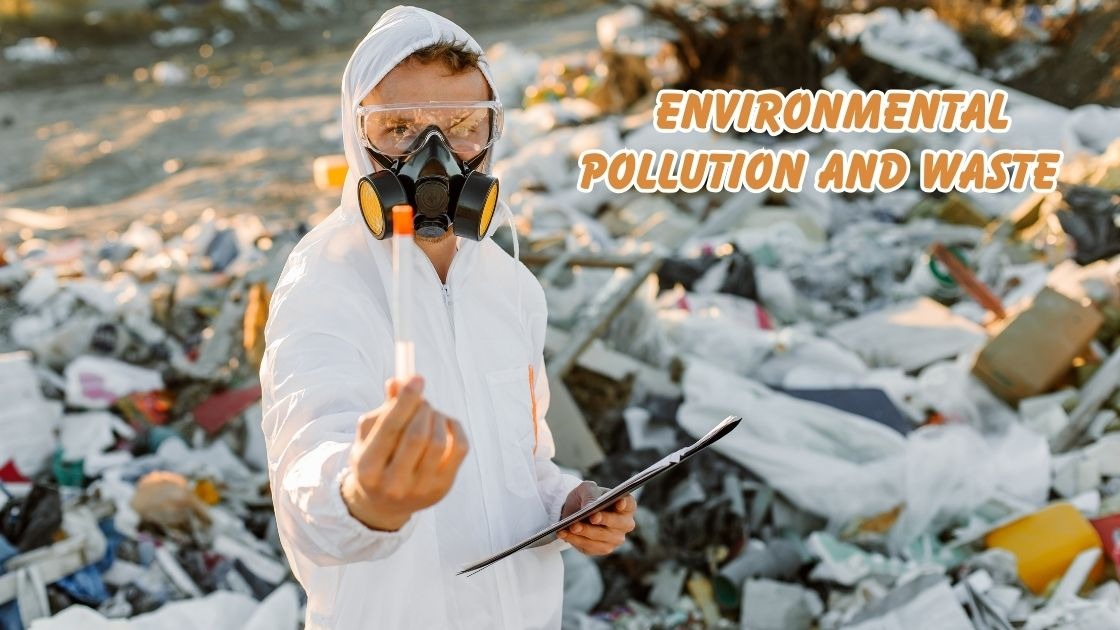
Environmental pollution and waste represent one of the most pressing challenges facing humanity today. Simply put, pollution occurs when harmful substances contaminate our air, water, and soil, while waste refers to discarded materials that accumulate faster than our planet can process them.
The scale of this problem is staggering. Every year, humans generate over 2 billion tons of solid waste globally, with a significant portion ending up in landfills, oceans, and natural habitats. Industrial emissions, vehicle exhaust, and agricultural runoff continuously degrade our ecosystem health, creating a cycle of contamination that affects every living organism on Earth.
The Historical Context of Our Current Crisis
Pollution isn’t a modern phenomenon, but its intensity has accelerated dramatically since the Industrial Revolution. What began as localized factory smoke in the 1800s has evolved into a complex web of contaminants affecting every corner of our planet. The rise of plastic production in the 1950s introduced materials that persist in the environment for centuries, fundamentally changing how we must approach waste reduction strategies.
Why This Issue Demands Your Immediate Attention
Health Implications You Cannot Ignore
The connection between environmental pollution and waste and human health is undeniable. Air pollution alone causes approximately 7 million premature deaths annually according to health organizations worldwide. Contaminated water sources spread diseases, while toxic chemicals in soil enter our food chain, creating long term health consequences including respiratory diseases, cancer, and neurological disorders.
Children and elderly populations face heightened vulnerability to these pollutants. Developmental issues, weakened immune systems, and chronic illnesses are increasingly linked to prolonged exposure to contaminated environments.
Economic Consequences Affecting Everyone
Beyond health, the financial burden of environmental pollution and waste management failures costs the global economy trillions of dollars annually. Consider these sobering facts:
- Healthcare expenses related to pollution induced illnesses drain public and private resources
- Agricultural losses from soil contamination reduce food production capacity
- Tourism industries suffer when natural areas become polluted destinations
- Property values decline in areas with poor environmental quality
- Cleanup operations for contaminated sites require massive governmental investments
Types of Pollution Threatening Our Planet
Air Quality Degradation
Industrial facilities, transportation networks, and energy production release harmful particulates and gases into our atmosphere daily. Carbon emissions, nitrogen oxides, and sulfur dioxide create smog, contribute to global warming, and cause acid rain that damages ecosystems far from pollution sources.
Water Contamination Challenges
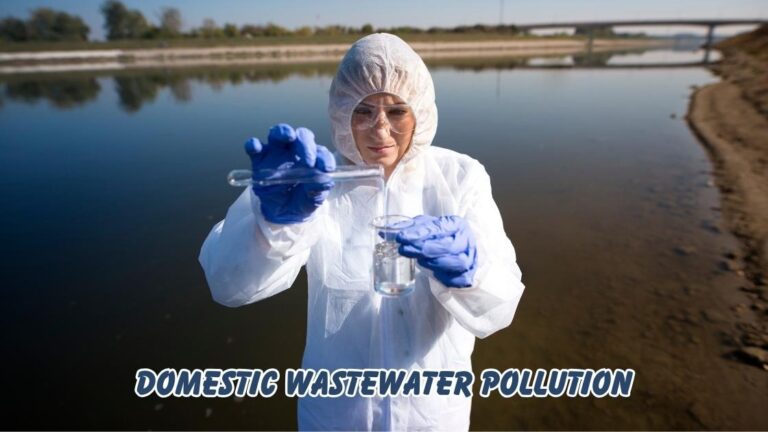
Our rivers, lakes, and oceans absorb agricultural chemicals, industrial discharge, and plastic debris at alarming rates. Marine life ingests microplastics, which then enter human diets through seafood consumption. Freshwater sources face contamination from improper sewage treatment and chemical runoff, threatening drinking water safety for billions.
Soil and Land Pollution
Improper disposal of hazardous materials, excessive pesticide use, and landfill leakage poison the ground beneath our feet. This contamination reduces agricultural productivity and allows toxins to seep into groundwater supplies, compounding water pollution problems.
Practical Solutions for Meaningful Change
Individual Actions That Matter
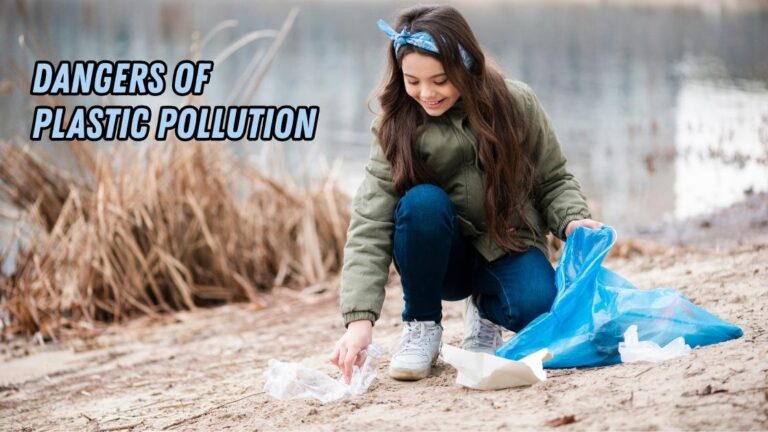
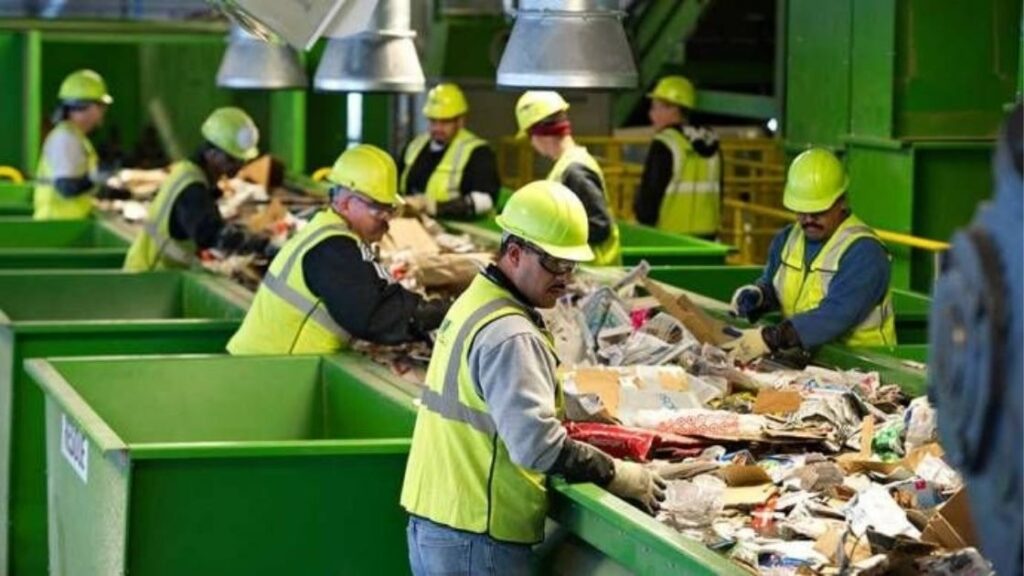
You hold more power than you realize in combating environmental pollution and waste. Sustainable living choices create ripple effects throughout communities and economies. Reducing single use plastic consumption, properly sorting recyclable materials, and supporting eco friendly products all contribute to meaningful change.
Composting organic materials prevents methane emissions from landfills while creating nutrient rich soil. Choosing public transportation or electric vehicles reduces your carbon footprint significantly.
Community and Corporate Responsibility
Effective waste management requires collective action beyond individual efforts. Local governments must invest in recycling infrastructure and proper disposal facilities. Businesses should adopt circular economy principles, designing products for longevity and recyclability rather than planned obsolescence.
Policy and Regulatory Frameworks
Strong environmental regulations provide the foundation for sustainable progress. Pollution control measures, emission standards, and waste disposal guidelines ensure accountability across industries. Supporting political leaders who prioritize environmental pollution and waste protection amplifies your impact beyond personal choices.
The Path Forward: Hope Amidst Challenge
Despite the severity of environmental pollution and waste problems, solutions exist and are being implemented worldwide. Renewable energy adoption is accelerating, plastic alternatives are emerging, and awareness continues growing across generations. Technology offers promising innovations in waste processing and pollution monitoring that seemed impossible decades ago.
The question isn’t whether we can address these challenges but whether we will act quickly enough. Your engagement with this issue today shapes the world tomorrow.
Conclusion
Environmental pollution and waste management is no longer optional but essential for our survival and prosperity. Throughout this article, we’ve explored the devastating health impacts, economic consequences, and various contamination types threatening our ecosystem. From air quality degradation to water contamination and soil pollution, the challenges are interconnected and urgent.
However, meaningful change remains within reach. Through individual sustainable choices, community initiatives, and strong policy frameworks, we can reverse this destructive trend. Environmental pollution and waste reduction requires collective commitment from governments, businesses, and citizens alike. The actions you take today determine the planet your children inherit tomorrow. Start making conscious choices now because our future depends on it.