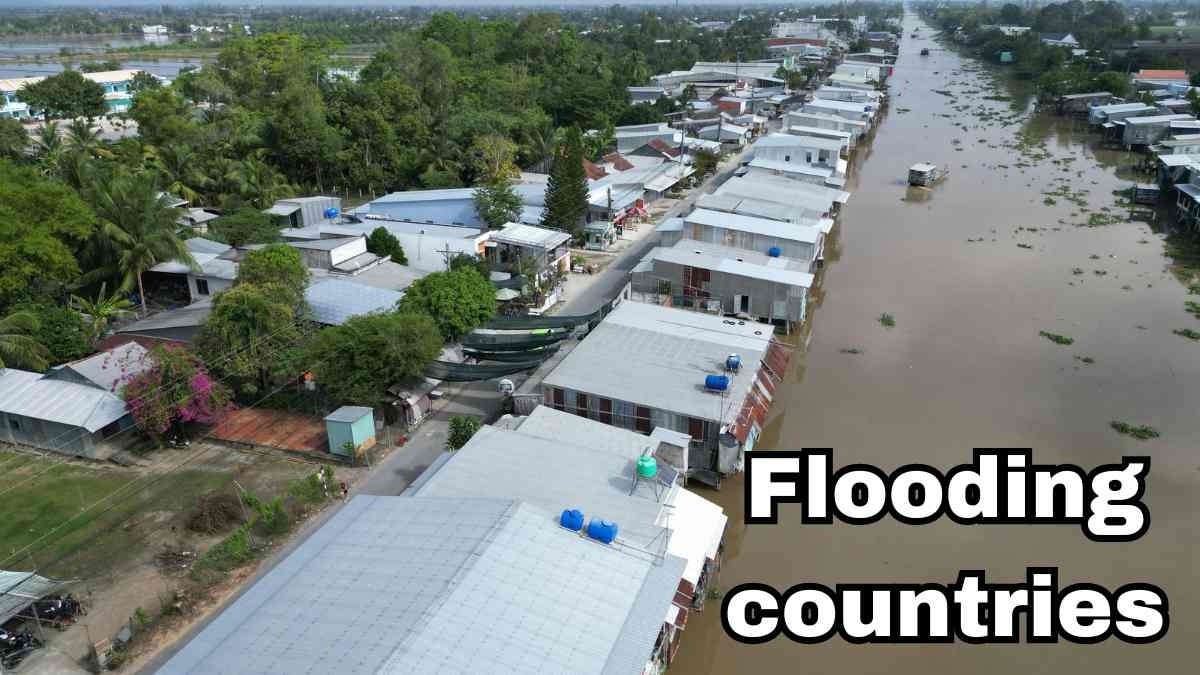
Flooding countries are becoming a growing global concern as extreme weather events intensify and urban areas expand rapidly. From coastal regions to river basins, rising water levels now threaten lives, infrastructure, and economies worldwide.
This article explores why floods are increasing, how climate change impacts intensify these events, and which regions are most vulnerable today. It also highlights the role of heavy rainfall, poor urban drainage systems, and unchecked river overflow in worsening flood situations. By understanding natural disasters, risk patterns, and preparedness strategies, readers can gain clearer insight into how floods affect societies and what can be done to reduce long-term damage.
Understanding Flooding Countries and Their Growing Global Risk
Flooding countries refer to nations that frequently experience water overflow events due to natural or human made factors. These floods may occur from rivers, coastal surges, or intense rainfall, causing serious damage to communities and economies. Over time, population growth near water bodies and changes in weather patterns have increased exposure to flood risks. Understanding how flooding countries are affected helps policymakers and citizens prepare better and reduce losses. This section provides a clear overview of why flooding has become a recurring challenge worldwide and why it deserves urgent attention.
Historical Background and Global Overview
How Flood Risks Have Evolved Over Time
Historically, floods were seasonal events linked to monsoons or snowmelt. However, modern flooding countries now face unpredictable patterns driven by climate change impacts and environmental degradation. Deforestation and rapid urbanization have reduced natural water absorption, increasing surface runoff. As a result, floods that once occurred every few decades now happen more frequently, affecting both developed and developing nations.
Regions Most Commonly Affected
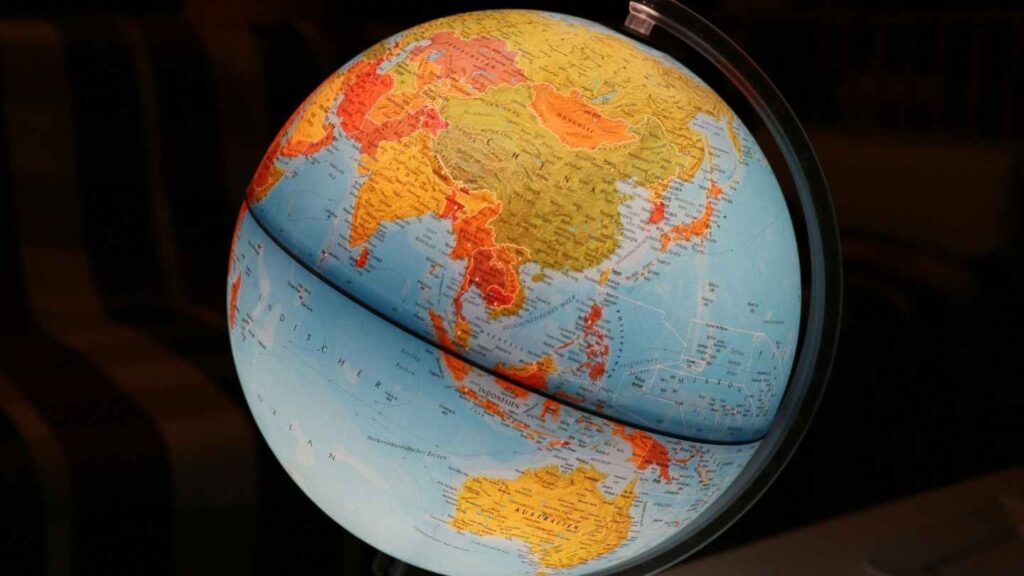
Many flooding countries are located in South Asia, Southeast Asia, and low lying coastal regions. Countries with large river systems and dense populations are especially vulnerable. Poor urban drainage systems and unplanned settlements further increase flood severity, turning heavy rains into large scale disasters.
Key Causes Behind Rising Flood Events
Natural Factors
Flooding often results from extreme heavy rainfall, melting glaciers, and cyclones. These natural processes overwhelm rivers and coastal defenses, leading to river overflow and inland flooding. In many flooding countries, seasonal weather cycles have become more intense, increasing the likelihood of repeated flood events.
Human Induced Factors
Human activities play a major role in worsening floods. Construction on floodplains, deforestation, and blocked waterways reduce natural water flow. In flooding countries, rapid development without proper planning increases vulnerability and limits effective flood control.
Types of Flooding Affecting Different Countries
River and Inland Floods
River floods occur when prolonged rainfall causes rivers to exceed their capacity. Many flooding countries depend on major rivers for agriculture, making these floods both destructive and economically damaging.
Coastal and Urban Floods
Coastal floods are common in flooding countries with long shorelines and low elevation. Rising sea levels worsen storm surges, while urban floods result from overwhelmed drainage during intense rainfall. These floods often disrupt transport, power, and daily life.
Impacts on Society and Economy
Social and Environmental Effects
Floods displace millions of people every year. In flooding countries, communities face loss of homes, clean water shortages, and increased disease risks. Environmental damage includes soil erosion and destruction of ecosystems that support agriculture and wildlife.
Economic Consequences
The economic burden on flooding countries is significant. Flood damage affects infrastructure, crops, and industries, slowing national growth. Recovery costs often divert funds from education, healthcare, and development projects.
Why Addressing Flood Risks Is Important
Managing flood risks is crucial for long term sustainability. For flooding countries, proactive planning can save lives and reduce financial losses. Investing in early warning systems and resilient infrastructure helps communities respond faster and recover more effectively.
Benefits of Flood Management
1.Improved public safety and reduced fatalities
2.Stronger infrastructure resilience
3.Protected agricultural productivity
4.Lower long term economic losses
5.Enhanced disaster preparedness
Challenges Faced by Flood Prone Nations
Despite awareness, flooding countries face several obstacles. Limited funding, lack of data, and weak governance slow mitigation efforts. Climate uncertainty also makes planning difficult, as future flood patterns remain unpredictable.
Key Drawbacks and Limitations
1.High costs of large scale infrastructure projects
2.Insufficient coordination between agencies
3.Low public awareness in vulnerable areas
4.Rapid urban growth outpacing planning
5.Environmental trade offs of flood control structures
How Flood Risk Management Works
Flood management combines prevention, preparedness, and response. In flooding countries, authorities use mapping, monitoring, and forecasting to identify high risk zones. Structural measures such as dams and levees work alongside non structural approaches like zoning laws and community education. Together, these steps reduce exposure and improve resilience.
Practical Recommendations for Flood Preparedness
For individuals and governments in flooding countries, preparedness is essential. Strengthening disaster risk reduction strategies and promoting community participation can make a major difference. Simple actions such as maintaining drainage, protecting wetlands, and following early warnings help minimize damage.
Conclusion
Floods are no longer isolated events but recurring challenges shaped by environmental and human factors. This article explained the causes, types, impacts, and management approaches related to flooding countries, highlighting how climate change impacts, weak urban drainage systems, and poor planning increase risks. The discussion also showed why preparedness, disaster risk reduction, and sustainable development matter for long term safety. Addressing these issues helps flooding countries protect lives, reduce economic losses, and strengthen resilience against future flood threats.