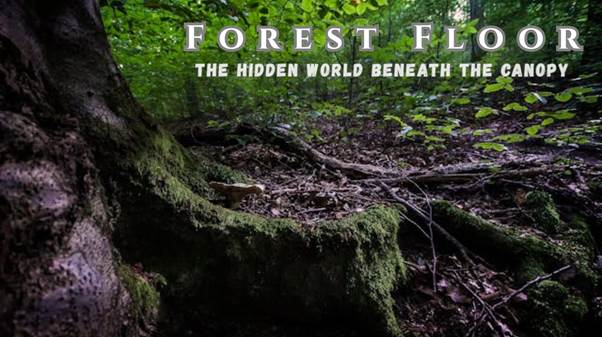
The forest floor is one of the most fascinating yet overlooked parts of the natural world. Found at the base of forests beneath towering trees, this layer plays a crucial role in maintaining biodiversity, recycling nutrients, and supporting countless species. The forest floor may appear dark and quiet, but it is alive with activity, from decomposers breaking down organic matter to animals relying on its shelter.
Table of Contents
In this article, we will explore the definition of the forest floor, its history, ecological significance, the benefits it offers, and the challenges it faces in modern times. Real-world examples will highlight why this ecosystem layer is vital for human survival and environmental health. By the end, you will understand the true importance of this hidden world beneath the canopy.
Definition and Characteristics of the Forest Floor
The forest floor is the bottom-most layer of a forest ecosystem. It is typically dark due to limited sunlight penetration through the canopy above. This layer is rich in decaying plant material, fallen leaves, and organic matter, making it a hub for nutrient recycling.
- Sunlight rarely reaches the forest floor, limiting plant growth.
- It is home to fungi, insects, and decomposers that keep ecosystems functioning.
- Larger animals such as tigers, elephants, and jaguars often traverse this layer for food and shelter.
Historical Importance of the Forest Floor
Throughout history, the forest floor has been vital to human development. Ancient civilizations depended on forest resources for survival, relying on fruits, medicinal plants, and wood found close to the ground. Indigenous communities today still use forest floor resources for food, shelter, and traditional practices. Moreover, the forest floor has preserved countless fossils, seeds, and remains, offering insights into past climates and ecosystems.
Ecological Importance of the Forest Floor
The forest floor is essential for maintaining the health of global ecosystems. Its functions extend beyond just decomposition:
- Recycling nutrients back into the soil to sustain plant growth
- Acting as a habitat for ground-dwelling species
- Storing carbon and regulating climate balance
- Filtering rainwater and preventing soil erosion
This makes the forest floor not only important for wildlife but also for human well-being.
Benefits of the Forest Floor
The forest floor provides immense benefits that support life both locally and globally:
- Biodiversity hotspot where unique species thrive in a stable, moist environment.
- Natural pharmacy as many plants with medicinal properties are found here.
- Climate regulation by sequestering carbon in soil and decayed matter.
- Food resources such as mushrooms, roots, and tubers.
- Water management through soil filtration and storage.
Challenges Facing the Forest Floor
Despite its importance, the forest floor faces multiple threats in modern times:
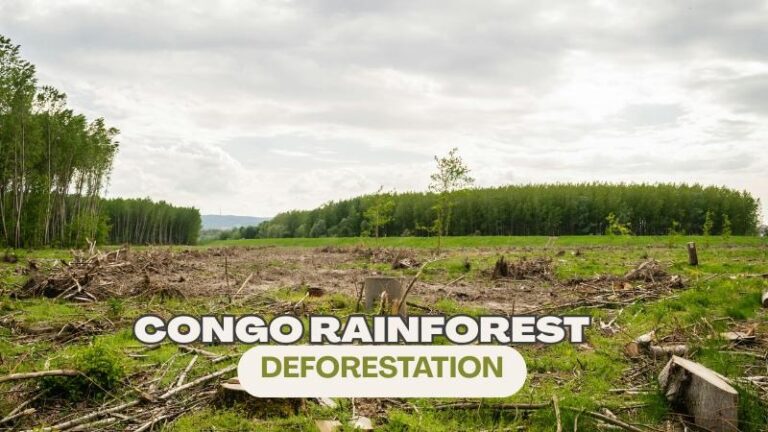
- Deforestation destroys habitats and disrupts soil composition.
- Pollution contaminates soil, harming plants and animals.
- Climate change alters temperature and rainfall, affecting decomposition cycles.
- Overexploitation of forest resources leads to biodiversity loss.
Addressing these challenges is critical to preserving forest ecosystems.
Real-World Examples of the Forest Floor in Action
Examples from around the world show the diversity of the forest floor:
- In the Amazon Rainforest, jaguars and giant anteaters rely on the forest floor for survival.
- The Congo Basin provides habitat for gorillas and elephants, highlighting its role in megafauna conservation.
- In temperate forests, deer and bears forage along the forest floor.
- The Asian forests showcase tigers stalking prey within dense undergrowth.
These examples illustrate how the forest floor sustains both small and large species in unique ways.

Human Connection to the Forest Floor
Humans rely heavily on the forest floor, often without realizing it. From medicinal plants to crops that originated in forests, our survival is intricately tied to these ecosystems. Additionally, cultural traditions and myths across civilizations frequently reference life found at the bottom of forests, showing how deeply ingrained this layer is in human history.
Conservation of the Forest Floor
Protecting the forest floor means safeguarding the planet’s future. Strategies include:
- Promoting sustainable forestry practices
- Reducing deforestation and habitat destruction
- Supporting indigenous land rights and knowledge systems
- Raising awareness about the ecological value of the forest floor
Global efforts to conserve forests directly impact the health of this essential ecosystem layer.
Conclusion
The forest floor may seem hidden, but it is one of the most active and important layers of the ecosystem. It supports biodiversity, regulates climate, provides resources, and sustains life in countless ways. However, threats such as deforestation and climate change put this delicate system at risk. Protecting it is essential for both environmental balance and human survival. To truly appreciate forests, we must recognize the value of their foundations. Stay curious, learn more, and support efforts that conserve the forest floor for generations to come.
Q 1: What is the forest floor?
The forest floor is the bottom layer of a forest ecosystem where decomposers, insects, and small animals thrive, playing a key role in nutrient recycling.
Q 2: Why is the forest floor important?
It provides habitat, supports biodiversity, and helps regulate climate by storing carbon and recycling nutrients for plants and trees.
Q 3: What threats does the forest floor face?
Deforestation, pollution, and climate change are major threats, leading to habitat loss, soil degradation, and reduced biodiversity.