Global sustainable development is the foundation for building a world where economic progress, social well-being, and environmental protection move hand in hand. In an era of climate change, resource depletion, and inequality, the need for a balanced and inclusive approach has never been greater. This concept focuses on creating eco-friendly innovations, promoting social equity, and ensuring that today’s growth doesn’t compromise the needs of future generations.
The article explores the core principles, goals, and real-world examples of how nations, communities, and individuals can contribute to a greener planet and a fairer society. By understanding these strategies, we can unlock a pathway toward harmony between people and the planet ensuring prosperity and sustainability for all.
Understanding Global Sustainable Development
Global sustainable development refers to a worldwide effort to achieve economic growth, social equality, and environmental protection in harmony. It’s about meeting the needs of today without compromising the ability of future generations to meet theirs. This approach integrates green innovation, resource efficiency, and social responsibility to create long-term stability for people and the planet.
The Background and Evolution
The concept of sustainability emerged in the 20th century when industrial growth started to harm the environment. In 1987, the Brundtland Report by the United Nations first defined sustainable development, emphasizing the need for balance between development and environmental care. Later, global initiatives like the Rio Earth Summit (1992), Kyoto Protocol (1997), and Paris Agreement (2015) shaped modern global policies. The UN’s Sustainable Development Goals (SDGs), introduced in 2015, provide a universal blueprint for achieving prosperity while protecting Earth’s ecosystems.
Importance of Global Sustainable Development
Global sustainable development plays a crucial role in shaping the world’s future. It ensures that progress benefits everyone and not just a few.
Key reasons for its importance include:
- Environmental Protection – Reduces pollution, conserves biodiversity, and tackles climate change.
- Economic Stability – Encourages green economies and supports fair trade and responsible consumption.
- Social Inclusion – Promotes equality, access to education, and poverty reduction.
- Future Security – Ensures natural resources are preserved for upcoming generations.
In short, it builds resilience by combining environmental balance, social justice, and economic growth.
Core Principles of Global Sustainable Development
Global sustainable development is based on a few essential principles that guide countries and organizations toward long-term progress:
- Intergenerational Equity – Using resources wisely so future generations have equal opportunities.
- Environmental Stewardship – Managing ecosystems responsibly through renewable energy and waste reduction.
- Social Justice – Promoting inclusiveness, equality, and community well-being.
- Economic Efficiency – Encouraging sustainable production and ethical investment.
- Global Partnership – Collaboration between nations, industries, and individuals to achieve common goals.
Benefits of Global Sustainable Development
Adopting sustainable practices delivers numerous benefits across all sectors:
1. Economic Benefits
- Boosts green technology innovation and job creation.
- Reduces dependence on non-renewable resources.
- Encourages sustainable business practices and fair trade systems.
2. Environmental Benefits
- Protects biodiversity and natural habitats.
- Decreases carbon emissions and industrial waste.
- Promotes clean air, safe water, and balanced ecosystems.
3. Social Benefits
- Enhances public health and education access.
- Reduces inequality and fosters gender balance.
- Builds stronger, safer, and more resilient communities.
Major Challenges in Achieving Global Sustainable Development
Despite progress, several barriers slow down sustainable efforts:
1. Economic Inequality
Many developing nations lack resources to implement sustainable projects. Unequal wealth distribution and limited access to financial aid make it difficult to maintain green growth.
2. Political Instability
Weak governance and lack of policy enforcement hinder sustainable practices. Global cooperation is often disrupted by political conflicts.
3. Overconsumption of Resources
Rapid urbanization and industrialization increase pressure on natural resources, leading to deforestation, pollution, and climate degradation.
4. Technological Gaps
Not all nations have access to advanced eco-friendly technology, which limits innovation and clean energy adoption.
5. Lack of Public Awareness
A major barrier is insufficient education about sustainability. Without environmental awareness, communities continue harmful practices unknowingly.
Real-World Examples of Global Sustainable Development
Example 1: Denmark’s Green Energy Transition
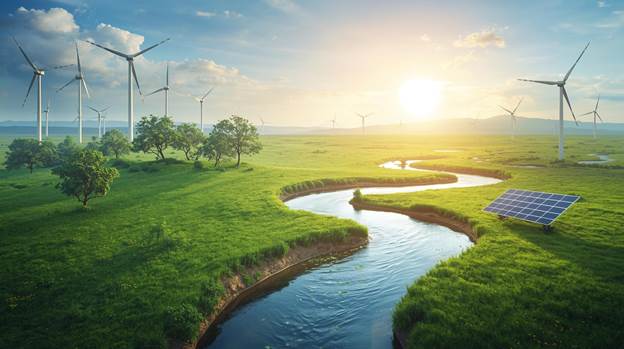
Denmark is a global leader in renewable energy. Over 50% of its electricity comes from wind power, demonstrating how innovation and strong policy can transform energy systems.
Example 2: Costa Rica’s Forest Conservation
Costa Rica restored its forests through strict protection laws and eco-tourism initiatives, becoming one of the most environmentally sustainable nations in the world.
Example 3: Japan’s Smart Cities
Japan’s focus on smart infrastructure, recycling, and energy-efficient transport shows how technology supports a cleaner urban environment.
Example 4: Rwanda’s Plastic Ban
Rwanda banned plastic bags in 2008 and became a global example of sustainable waste management and environmental commitment.
The Role of Individuals and Communities
Achieving global sustainable development requires collective action.
Everyone can contribute through:
- Reducing waste and promoting recycling
- Using renewable energy sources like solar or wind
- Supporting eco-friendly products
- Participating in community clean-up and awareness programs
- Encouraging responsible consumption and sustainable lifestyles
The Path Forward
To build a greener and fairer world, nations must strengthen international partnerships, promote climate resilience, and invest in clean technology. Education and innovation are key to turning sustainability goals into everyday actions. By aligning human progress with environmental balance, global sustainable development can truly shape a better, more equitable future for all.
Conclusion
In conclusion, global sustainable development is essential for creating a world where people, prosperity, and the planet thrive together. By balancing economic growth, social inclusion, and environmental care, nations can ensure a stable and equitable future. Through innovation, awareness, and collective effort, individuals and governments can make meaningful progress toward sustainability. The journey may be challenging, but every step counts in building a greener, fairer world. To make a lasting impact, explore more about sustainable practices and support initiatives driving global change.