
Green hydrogen uses are rapidly emerging as a game-changing solution in the global push toward sustainable energy. As the world faces mounting pressure to reduce carbon emissions, this clean fuel is gaining unprecedented attention from governments, industries, and investors alike.
Produced entirely from renewable energy sources like wind and solar power, green hydrogen offers a pathway to decarbonize sectors that have long been difficult to clean up. From powering heavy industries to fueling transportation and storing excess energy, its applications are vast and transformative.
In this article, we will explore the most impactful applications driving the clean energy transition today. You’ll discover how this zero-emission fuel is reshaping steel manufacturing, revolutionizing transport, and creating new possibilities for a carbon-neutral future. Let’s dive into the innovations changing our energy landscape.

What Is Green Hydrogen and How Is It Produced?
Green hydrogen is a clean fuel created through a process called electrolysis. This method uses electricity from renewable energy sources like solar, wind, or hydropower to split water molecules into hydrogen and oxygen. Unlike gray or blue hydrogen, this variant produces zero carbon emissions during production.
Related Article: Exploring Green Hydrogen Uses: How Industries Are Shaping a Sustainable Future
The concept of hydrogen as fuel dates back decades, but green hydrogen uses have only recently become economically viable. Advances in electrolysis technology and falling renewable energy costs have made large scale production possible. Today, countries worldwide are investing billions to build hydrogen infrastructure and accelerate adoption.
Why Green Hydrogen Matters for the Future
The importance of this fuel cannot be overstated. It addresses a critical gap in the clean energy transition by providing solutions for sectors where direct electrification is impractical. Heavy industries, long haul transportation, and seasonal energy storage all benefit from this versatile energy carrier.
Key Industrial Applications Driving Change
Steel and Manufacturing Sector
One of the most promising green hydrogen uses lies in steel production. Traditional steelmaking relies heavily on coal, making it one of the largest industrial polluters. Hydrogen can replace coal as a reducing agent, eliminating carbon dioxide emissions from the process.
Major steel companies are already piloting hydrogen based production methods. Here are the key benefits for manufacturing:
- Eliminates up to 95% of emissions from steel production
- Reduces dependence on fossil fuels in heavy industry
- Creates opportunities for carbon neutral manufacturing
- Positions companies favorably for stricter environmental regulations
Chemical and Fertilizer Production
The chemical industry represents another significant area where green hydrogen uses are expanding rapidly. Ammonia production, essential for fertilizers, currently accounts for roughly 2% of global energy consumption. Switching to green hydrogen could dramatically reduce this carbon footprint.
Transportation and Mobility Solutions
Hydrogen Fuel Cell Vehicles
Hydrogen fuel cells are transforming how we think about zero emission transportation. These cells convert hydrogen into electricity, powering vehicles while emitting only water vapor. Unlike battery electric vehicles, fuel cell vehicles offer faster refueling times and longer ranges.
The transportation sector is embracing this technology in several ways:
- Heavy duty trucks and buses for long distance routes
- Trains operating on non electrified rail lines
- Forklifts and warehouse equipment
- Maritime shipping vessels
Aviation and Shipping Industries
Perhaps the most exciting green hydrogen uses involve decarbonizing aviation and shipping. These sectors have limited alternatives to fossil fuels, making hydrogen based solutions particularly valuable. Several airlines are testing hydrogen powered aircraft, while shipping companies explore ammonia derived from green hydrogen as marine fuel.
Energy Storage and Grid Stability
Addressing Renewable Energy Intermittency
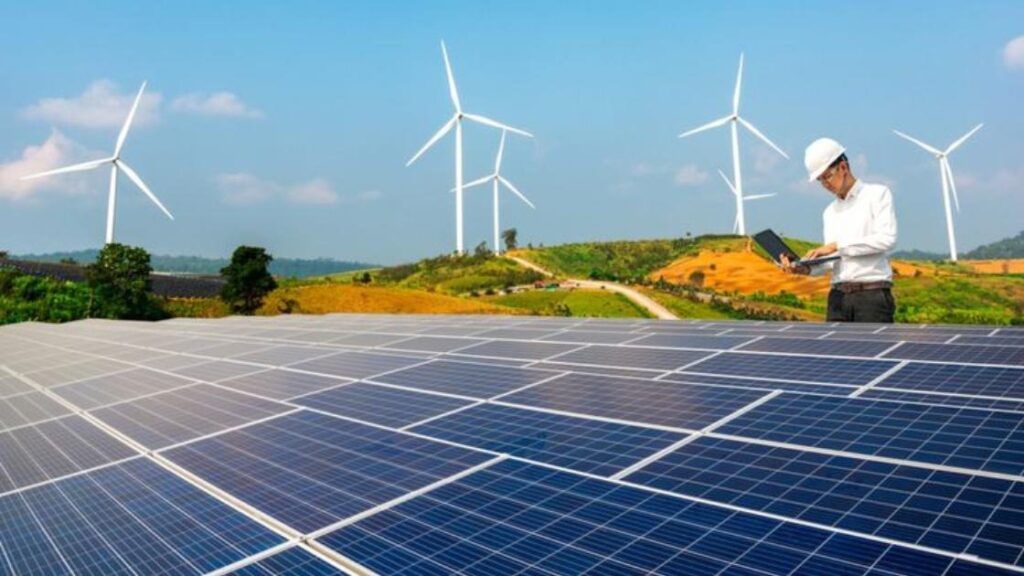
Renewable power generation faces a fundamental challenge. Solar panels don’t produce electricity at night, and wind turbines sit idle on calm days. Green hydrogen offers an elegant solution by storing excess energy for later use.
During peak production periods, surplus electricity can power electrolyzers to produce hydrogen. This stored hydrogen can then generate electricity when renewable sources are unavailable. The benefits for grid stability include:
- Long duration storage capabilities exceeding batteries
- Seasonal storage potential for months
- Support for regions with high renewable penetration
- Backup power during extreme weather events
Challenges Facing Widespread Adoption
Despite the promising green hydrogen uses emerging globally, several obstacles remain. Production costs still exceed those of fossil fuel alternatives, though prices are falling steadily. Infrastructure for storage, transportation, and distribution requires massive investment.
Efficiency losses during production and conversion also present challenges. Approximately 30% of energy is lost when creating hydrogen through electrolysis. Additional losses occur when converting it back to electricity. However, ongoing research continues improving these figures.
The Path Forward
Governments worldwide are implementing hydrogen strategies and funding mechanisms to overcome these barriers. The European Union, Japan, South Korea, and Australia have announced ambitious hydrogen roadmaps. Private investment is flowing into startups developing innovative solutions across the hydrogen value chain.
The expanding green hydrogen uses signal a fundamental shift in global energy systems. As technology improves and costs decline, this clean fuel will play an increasingly central role in achieving climate goals and building a sustainable energy future for generations to come.
Conclusion
The diverse green hydrogen uses explored throughout this article demonstrate the remarkable potential of this clean fuel to reshape our global energy landscape. From revolutionizing steel production and heavy industry to enabling zero emission transportation and solving renewable energy storage challenges, hydrogen is proving indispensable.
While challenges like production costs and infrastructure development remain, the momentum behind green hydrogen uses continues growing. Governments and industries are committing unprecedented resources to accelerate adoption. As we move toward a sustainable energy future, this versatile fuel stands ready to play a transformative role in achieving our climate goals and building a cleaner world.