In an age of rapid urbanization, the presence of a green landscape has become more valuable than ever. Cities filled with concrete, steel, and glass often lack the natural balance that people crave. Green landscape architecture bridges this gap, combining innovative design with sustainability to create spaces that are both functional and visually appealing.
A green landscape not only enhances the aesthetics of urban environments but also provides ecological, social, and health benefits. From reducing air pollution to offering recreational areas, these spaces make cities more livable. This article explores the role of green landscape architecture, its importance in urban planning, and innovative approaches that help create sustainable outdoor environments.
What is Green Landscape Architecture?
Green landscape architecture is the practice of designing outdoor spaces that balance functionality, sustainability, and natural beauty. Unlike traditional landscaping, this approach integrates green infrastructure, eco-friendly materials, and native plants to minimize environmental impact. A green landscape designed with these principles serves as both a public asset and an ecological resource.
This field draws from architecture, ecology, and urban design to create spaces that work in harmony with the natural environment. Parks, gardens, urban rooftops, and community greenways are prime examples of how green landscape architecture shapes modern cities.
The Historical Roots of Green Landscape Design
The idea of designing a green landscape is not new. Ancient civilizations like the Egyptians, Persians, and Romans created gardens and courtyards as early forms of functional landscapes. In the 19th century, pioneers such as Frederick Law Olmsted emphasized public parks, most famously designing Central Park in New York City.
Today, landscape architecture has evolved to address climate change, urban sprawl, and sustainability concerns. Green landscape architecture continues this tradition while integrating modern technology and ecological science.
Importance of Green Landscape in Urban Planning
The inclusion of a green landscape in urban planning is no longer optional it’s a necessity.
1.Improves air quality by filtering pollutants and producing oxygen
2.Regulates temperature through shading and cooling effects
3.Provides recreational spaces that enhance mental well-being
4.Promotes biodiversity by offering habitats for wildlife
5.Increases property values and community appeal
Cities that invest in green landscape architecture create healthier, more attractive environments for residents and visitors alike.
Innovative Approaches to Green Landscape Architecture
Biophilic Design in Green Landscape
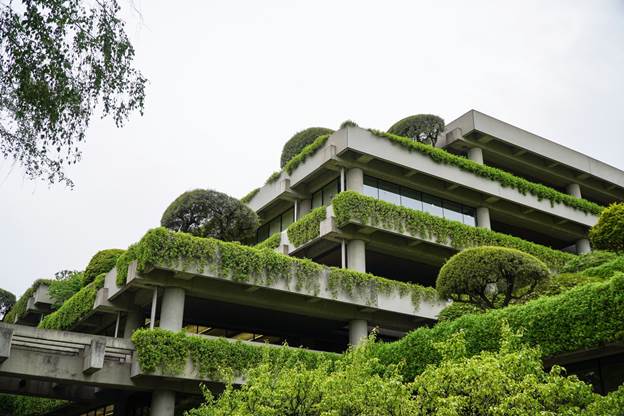
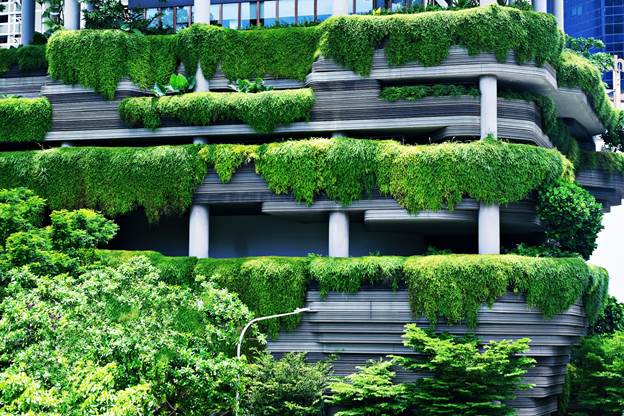
Biophilic design connects people with nature by integrating natural elements into urban structures. Features like living walls, rooftop gardens, and water elements transform buildings into ecosystems that improve air quality and reduce stress. A green landscape created with biophilic principles enriches daily life in dense cities.
Smart Irrigation Systems
Water management is crucial in green landscape design. Smart irrigation systems that use sensors and weather data reduce water waste while keeping plants healthy. These systems ensure that green spaces remain sustainable without draining natural resources.
Use of Native Plants
Plants that are native to an area generally demand less watering, fertilizing, and upkeep than introduced species.. They also support local pollinators and wildlife. Designing a green landscape with native plants promotes resilience while preserving local ecosystems.
Benefits of Green Landscape Architecture
Environmental Benefits
A well-designed green landscape combats urban heat, reduces flooding through permeable surfaces, and filters stormwater. These eco-friendly features make cities more sustainable in the face of climate change.
Social and Health Benefits
Access to green spaces has been shown to lower stress, encourage physical activity, and foster social connections. Green landscapes act as community hubs where people can gather, exercise, and unwind.
Economic Benefits
Green landscape architecture boosts property values, attracts tourism, and reduces energy costs by lowering temperatures in urban zones. For businesses, a vibrant green landscape enhances customer appeal and employee satisfaction.
Challenges in Creating a Green Landscape
While the benefits are clear, designing sustainable green landscapes is not without challenges.
1.Limited urban space for large green areas
2.High initial costs of eco-friendly infrastructure
3.Ongoing maintenance needs for plants and irrigation
4.Conflicts between urban development and conservation goals
Despite these challenges, innovative design and government support can help integrate more green landscapes into modern cities.
Examples of Green Landscape Architecture
The High Line, New York City
This elevated park is a perfect example of transforming unused infrastructure into a vibrant green landscape. With native plants and community spaces, the High Line demonstrates how urban areas can be reimagined sustainably.
Gardens by the Bay, Singapore
A global model of green landscape innovation, this project combines futuristic architecture with ecological design. Its iconic Supertrees and biodomes highlight the possibilities of merging technology with sustainability.
Bosco Verticale, Milan
This residential tower features vertical forests that absorb carbon dioxide, produce oxygen, and regulate temperature. It showcases how a green landscape can be built directly into modern architecture.
Future of Green Landscape Architecture
The future of green landscape architecture lies in merging sustainability with technology. Smart cities are increasingly prioritizing green infrastructure to combat climate change and improve urban life. Artificial intelligence, renewable energy, and eco-materials will play a vital role in shaping tomorrow’s green landscape.
Conclusion
Green landscape architecture is more than just design; it’s a movement toward sustainability, wellness, and resilience in urban spaces. By incorporating natural elements, innovative technology, and eco-friendly practices, cities can create outdoor areas that benefit both people and the planet.
A thriving green landscape enhances quality of life, supports biodiversity, and strengthens communities. As urbanization continues, investing in sustainable landscape architecture is essential. Start exploring how these practices can transform not just your surroundings, but the future of urban living.