A beautiful outdoor space begins with a healthy and thriving green landscape. Whether it’s a small backyard garden or a large lawn, the way you care for your greenery makes a lasting difference. A well-maintained green landscape not only enhances the beauty of your home but also provides a calming environment for relaxation and recreation.
Caring for a green landscape requires consistent attention to key practices like watering, pruning, fertilizing, and soil management. By applying the right techniques, you can keep your outdoor space lush, vibrant, and sustainable all year long. This article explores practical tips for maintaining a flourishing green landscape, offering advice that homeowners, gardeners, and outdoor enthusiasts can follow with ease.
Understanding the Green Landscape Concept
A green landscape refers to the harmonious use of plants, trees, shrubs, grass, and soil to create a healthy and attractive outdoor environment. Unlike artificial spaces, a green landscape thrives on natural growth and balance. It also plays a vital role in supporting biodiversity, improving air quality, and regulating temperature around your home.
Maintaining such a landscape requires both knowledge and care. By understanding the unique needs of your plants, you can create a space that grows beautifully while remaining eco-friendly.
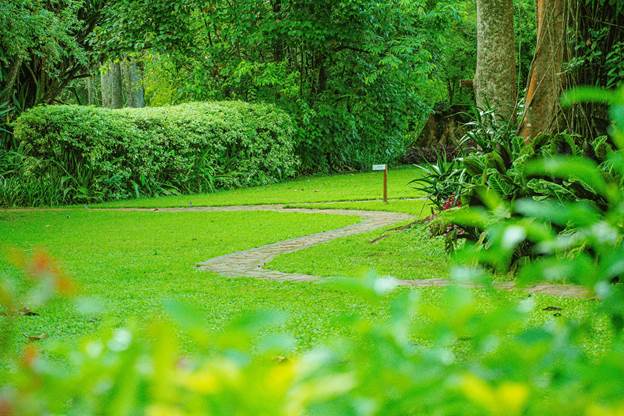
Importance of Green Landscape Maintenance
The maintenance of a green landscape goes beyond appearance. Proper care delivers long-term environmental, health, and lifestyle benefits.
-Improves air quality by filtering pollutants
-Boosts property value by enhancing curb appeal
-Provides a habitat for birds, insects, and pollinators
-Reduces stress by creating a natural and serene environment
With these benefits, green landscape maintenance becomes an essential practice for both personal well-being and ecological sustainability.
Watering Tips for a Healthy Green Landscape
Watering is the foundation of any lush green landscape. However, overwatering or underwatering can damage plants and grass.
1.Water early in the morning to reduce evaporation.
2.Use drip irrigation systems for efficiency.
3.Adjust watering schedules based on the season and rainfall.
4.Ensure deep watering to reach plant roots instead of shallow sprinkling.
Consistent watering practices will keep your green landscape hydrated and resilient.
Pruning and Trimming for Growth
Pruning is crucial for keeping a green landscape neat and healthy. It encourages new growth, prevents diseases, and enhances the shape of plants.
-Trim dead or diseased branches regularly
-Prune flowering plants after blooming to promote future blossoms
-Shape hedges and shrubs to maintain symmetry
-Use clean, sharp tools to avoid plant injury
Regular pruning not only maintains structure but also keeps your green landscape vibrant and disease-free.
Fertilizing for a Thriving Green Landscape
Fertilization provides essential nutrients that enrich soil and support plant health. Choosing the right fertilizer and applying it correctly can make your green landscape flourish.
1.Use organic fertilizers like compost for long-term soil health.
2.Apply slow-release fertilizers to avoid nutrient overload.
3.Fertilize during active growing seasons such as spring and summer.
4.Test soil regularly to determine specific nutrient needs.
Proper fertilization enhances color, strengthens root systems, and ensures a consistently thriving green landscape.
Soil Care and Aeration
Healthy soil is the foundation of a lush green landscape. Over time, soil can become compacted, limiting water absorption and root growth.
-Aerate soil once or twice a year to improve airflow
-Add organic matter like mulch to retain moisture
-Maintain pH levels suitable for your plant species
-Avoid chemical-heavy treatments that damage soil organisms
By focusing on soil health, you strengthen the base of your green landscape for long-term vitality.
Seasonal Green Landscape Care
Every season presents unique challenges for maintaining a green landscape.
-Spring: Fertilize and prune to encourage fresh growth
-Summer: Increase watering frequency to prevent drought stress
-Autumn: Remove fallen leaves and prepare soil for winter
-Winter: Protect plants with mulch and reduce watering needs
Adapting your routine throughout the year ensures that your green landscape remains lush and resilient.
Eco-Friendly Practices for a Sustainable Green Landscape
Sustainability is at the heart of maintaining a green landscape. Eco-friendly practices not only protect the environment but also save time and resources.
-Collect rainwater for irrigation
-Plant native species that require less maintenance
-Reduce pesticide use by adopting natural pest control
-Compost organic waste for natural fertilizer
Incorporating these practices helps create a self-sustaining green landscape that benefits both people and nature.
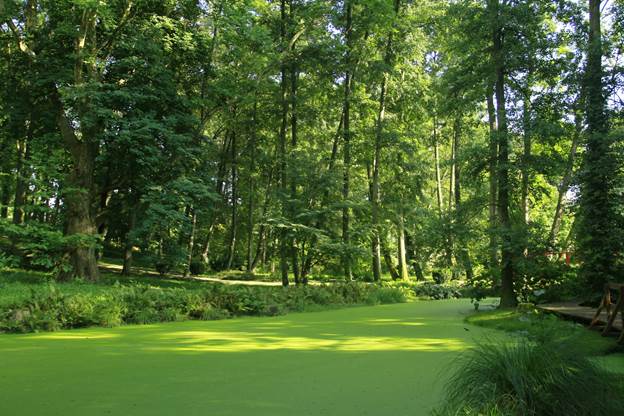
Common Mistakes to Avoid in Green Landscape Maintenance
Even with the best intentions, mistakes in maintenance can harm your green landscape.
1.Overwatering or underwatering plants
2.Using chemical-heavy fertilizers without testing soil
3.Neglecting pruning, leading to overgrowth and disease
4.Planting non-native species that require excessive care
By avoiding these errors, you can ensure your green landscape grows healthily and with minimal setbacks.
Conclusion
A thriving green landscape requires consistent care through proper watering, pruning, fertilizing, and soil management. By focusing on eco-friendly and seasonal practices, you can create an outdoor space that is both beautiful and sustainable. Avoiding common mistakes while embracing natural solutions ensures long-term success.
Maintaining a lush green landscape not only improves the beauty of your surroundings but also contributes to a healthier environment. Start applying these tips today to transform your outdoor space into a vibrant sanctuary that supports nature and enhances your everyday life.