As the effects of global warming become more evident, cities and communities worldwide are searching for effective ways to reduce environmental damage. One powerful yet often overlooked solution is the creation and preservation of a green landscape. These landscapes not only beautify our surroundings but also serve as natural tools to combat climate change. By absorbing carbon dioxide, regulating temperatures, and supporting biodiversity, green landscapes play a vital role in protecting our planet.
A well-designed green landscape can transform urban spaces into climate-resilient environments. This article examines the impact of green landscapes on the environment, explores their importance in climate change mitigation, and discusses strategies to create outdoor spaces that are both sustainable and resilient.
What is a Green Landscape?
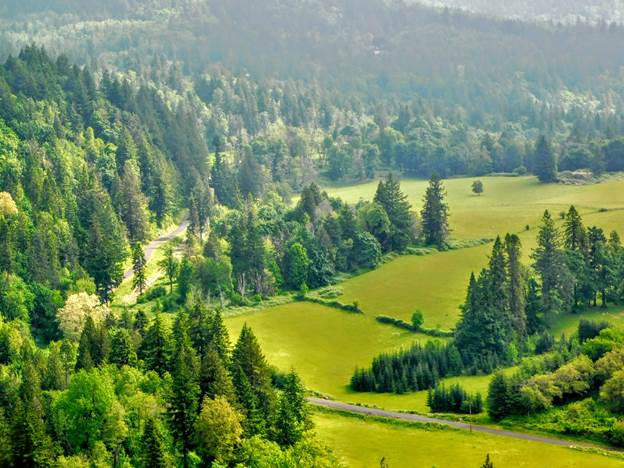
A green landscape refers to areas dominated by natural vegetation such as trees, grass, shrubs, and gardens. Unlike artificial environments, these spaces rely on ecological balance and natural growth. Green landscapes are not limited to rural areas—they include city parks, rooftop gardens, urban forests, and even backyard lawns.
By integrating natural elements into daily life, a green landscape provides ecological services like air purification, water filtration, and carbon absorption. These benefits make them essential components of climate-resilient communities.
How Green Landscapes Help Combat Climate Change
Carbon Sequestration
One of the most significant contributions of a green landscape is carbon sequestration. Trees and plants absorb carbon dioxide during photosynthesis, storing it in their biomass and soil. This process helps reduce greenhouse gases in the atmosphere, directly countering global warming.
Temperature Regulation
Urban areas often suffer from the “heat island effect,” where concrete and asphalt absorb and radiate heat. Green landscapes cool cities through shading and evapotranspiration, reducing the need for energy-intensive air conditioning.
Water Management
Green landscapes absorb rainfall, reducing stormwater runoff and preventing floods. By filtering water naturally, they also help recharge groundwater supplies, which is vital in combating droughts linked to climate change.
Importance of Green Landscape in Urban Areas
As cities expand, natural areas are often replaced with concrete structures. Incorporating a green landscape into urban planning is crucial for sustainability.
1.Improves air quality by filtering pollutants
2.Provides cooling effects that lower energy consumption
3.Supports biodiversity and pollinators
4.Offers recreational spaces that improve mental health
5.Reduces flood risks through natural drainage systems
These benefits show why green landscapes are not luxuries but necessities in climate-conscious cities.
Strategies for Creating Climate-Resilient Green Landscapes
Using Native Plants
Native plants are adapted to local conditions and require less water, fertilizer, and maintenance compared to non-native species. Incorporating them into a green landscape ensures resilience and supports local ecosystems.
Promoting Urban Forests
Urban forests are clusters of trees within cities that provide shade, absorb pollutants, and act as carbon sinks. Expanding tree cover in urban areas creates long-term climate resilience.
Green Roofs and Vertical Gardens
In densely populated cities, green roofs and vertical gardens offer innovative ways to introduce a green landscape. These features improve air quality, insulate buildings, and enhance biodiversity even in limited spaces.
Smart Irrigation Systems
Efficient water use is key to sustainable landscapes. Smart irrigation systems use sensors and weather data to provide the right amount of water, reducing waste while keeping plants healthy.
Challenges in Maintaining Green Landscapes
Despite their benefits, building and maintaining a green landscape comes with challenges.
1.Limited urban space for large-scale projects
2.High initial costs for eco-friendly infrastructure
3.Ongoing maintenance requirements for plants and irrigation
4.Competition between urban development and conservation
Addressing these challenges requires collaboration between governments, urban planners, and communities. Long-term investment in green landscapes will pay off through reduced climate risks and healthier environments.
Global Examples of Climate-Resilient Green Landscapes
The High Line, New York City
Once an abandoned railway, this elevated park is now a thriving green landscape with native plants. It demonstrates how cities can repurpose unused infrastructure into climate-friendly spaces.
Singapore’s Green Roof Initiatives
Singapore has embraced vertical gardens and rooftop greenery across the city. These projects cool buildings, reduce carbon emissions, and provide urban dwellers with access to nature.
Curitiba, Brazil
Curitiba is a model city for sustainable planning, with abundant parks, tree-lined streets, and floodplains converted into green landscapes. These spaces mitigate flooding and enhance urban biodiversity.
Future of Green Landscapes in Climate Action
The role of the green landscape in climate action will continue to grow. Future cities are expected to integrate more parks, community gardens, and green infrastructure into their design. Advances in technology, such as artificial intelligence-driven irrigation and renewable energy-powered lighting, will make landscapes even more sustainable.
Governments and communities must work together to prioritize these initiatives. By valuing green landscapes as essential infrastructure, societies can build climate-resilient futures.
Conclusion
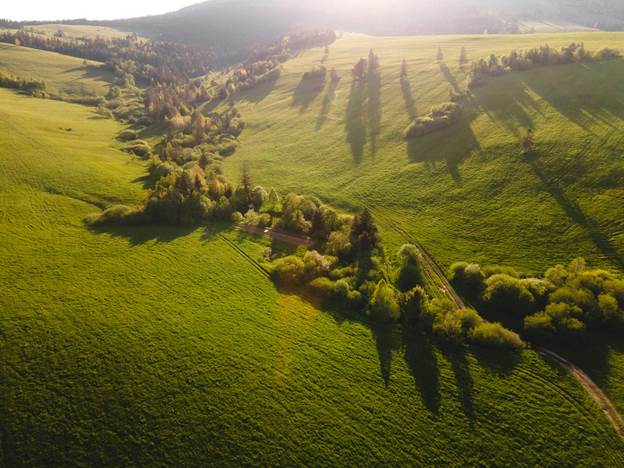
Green landscapes are more than just decorative spaces—they are essential allies in the fight against climate change. From carbon sequestration and temperature regulation to water management and biodiversity support, their contributions are immense. Creating climate-resilient outdoor spaces requires thoughtful strategies such as planting native species, expanding urban forests, and embracing innovative designs like green roofs.
Investing in a green landscape today means building a sustainable tomorrow. By prioritizing these spaces, we can reduce climate risks, improve urban living, and protect the environment for future generations. Now is the time to embrace green landscapes as vital tools for a healthier planet.