Industrial disposal plays a vital role in maintaining environmental safety and promoting sustainable growth. With industries producing large amounts of waste every day, finding eco-friendly, cost-effective, and efficient methods to manage this waste has become essential.
This article explores practical and responsible strategies for handling industrial waste, focusing on modern approaches that reduce environmental harm. From waste segregation and recycling processes to proper treatment and safe disposal techniques, you’ll learn how industries can balance productivity with sustainability. Understanding these methods not only ensures compliance with regulations but also supports a cleaner and healthier future for all.
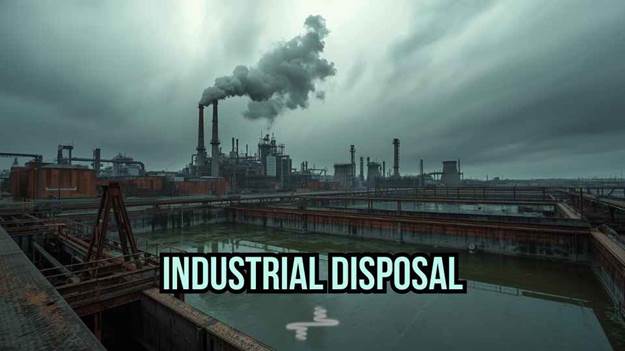
Understanding Industrial Disposal and Its Importance
Industrial disposal refers to the proper management, treatment, and elimination of waste materials generated by manufacturing and production processes. These wastes can include chemicals, metals, plastics, and other non-biodegradable materials that, if not managed responsibly, can harm the environment and human health. In earlier decades, industries often dumped waste into landfills or water bodies without regulation. However, growing awareness about pollution and environmental damage led to the development of structured waste management systems. Today, responsible disposal methods are essential to maintaining sustainability and complying with environmental laws.
The importance of proper industrial waste management lies in protecting ecosystems, preventing contamination, and ensuring a safer workplace. When industries adopt safe disposal practices, they not only meet legal requirements but also enhance their corporate reputation and contribute to global environmental goals.
Key Industrial Disposal Methods
Modern industries use a combination of traditional and innovative methods to manage waste responsibly. Each method depends on the type, quantity, and nature of the waste produced. Below are some of the most effective industrial disposal methods in practice today.
1. Recycling and Reuse
Recycling is one of the most sustainable strategies for managing waste. It involves collecting, sorting, and processing materials to create new products.
- Reduces raw material demand
- Conserves energy and natural resources
- Lowers greenhouse gas emissions
- Promotes a circular economy
Common examples include recycling scrap metal, plastic, and glass. Many industries also reuse packaging materials and containers, reducing costs and minimizing waste.
2. Landfilling
Landfilling is the most traditional form of industrial disposal. It involves burying waste in designated areas that are carefully engineered to prevent contamination.
While this method is cost-effective, it poses environmental challenges if not managed properly. Modern landfills use liners and gas collection systems to prevent leachate leakage and methane emissions.
3. Incineration
Incineration involves burning industrial waste at very high temperatures to reduce its volume. It is particularly useful for hazardous and medical waste that cannot be recycled.
Advantages:
- Reduces waste volume by up to 90%
- Destroys toxic substances
- Generates energy in waste-to-energy plants
However, incineration requires strict emission controls to prevent air pollution.
4. Composting and Biological Treatment
For industries that generate organic waste, composting and biological treatments are eco-friendly options. Microorganisms break down organic materials into compost, which can be used as a soil conditioner.
This process not only diverts waste from landfills but also improves soil health and reduces dependence on chemical fertilizers.
5. Chemical Treatment
Chemical treatment is essential for neutralizing hazardous substances before disposal. It involves using chemical reactions to detoxify or stabilize waste.
Example: Acidic waste is treated with a base to balance pH levels before safe discharge.
This method is commonly used in industries like pharmaceuticals, textiles, and metal manufacturing.
Benefits of Effective Industrial Disposal
Implementing proper disposal methods brings numerous environmental and economic benefits. Responsible industrial waste management helps build a sustainable business model while safeguarding communities and ecosystems.
Key benefits include:
- Environmental Protection: Prevents soil, air, and water pollution.
- Health and Safety: Minimizes exposure to toxic substances for workers and nearby communities.
- Regulatory Compliance: Ensures adherence to environmental laws and avoids costly penalties.
- Cost Savings: Recycling and resource recovery reduce raw material expenses.
- Corporate Reputation: Demonstrates commitment to sustainability and corporate social responsibility.
By applying the right disposal strategies, industries can achieve both environmental and financial efficiency.
Challenges in Industrial Waste Management
Despite technological advancements, industries face several challenges in implementing effective disposal practices.
1. High Operational Costs
Advanced treatment facilities and waste segregation systems require significant investment.
2. Lack of Awareness
Some industries, especially in developing regions, lack knowledge about sustainable waste practices.
3. Regulatory Barriers
Inconsistent environmental policies and weak enforcement can hinder progress.
4. Hazardous Waste Handling
Dealing with toxic chemicals and radioactive materials requires specialized infrastructure and trained personnel.
5. Limited Recycling Infrastructure
Not all regions have facilities capable of processing industrial waste into reusable materials.
These challenges highlight the need for innovation, education, and collaboration among governments, industries, and environmental organizations.
Examples of Successful Industrial Disposal Practices
Several global companies have adopted innovative strategies to improve waste management efficiency.
1. Toyota uses lean manufacturing principles to minimize waste and increase recycling rates.
2. Unilever implements closed-loop systems to reuse materials in production cycles.
3. BASF applies advanced chemical recycling to recover valuable resources from industrial by-products.
These examples prove that sustainable disposal is achievable with proper planning and technological investment.
Future of Industrial Disposal
The future of industrial disposal lies in adopting smart technologies and sustainable innovations. Artificial intelligence, automation, and data analytics are transforming waste monitoring systems. Industries are moving toward zero-waste production, where every by-product is either reused or recycled. Governments and environmental agencies are also encouraging green policies, making sustainability a shared global goal.
By embracing innovation and responsibility, industries can play a key role in preserving natural resources and promoting a cleaner planet. The path forward involves continuous improvement, eco-friendly designs, and community engagement for a truly sustainable future.
Conclusion
In conclusion, industrial disposal plays a crucial role in protecting the environment and ensuring sustainable industrial growth. By adopting efficient waste management and recycling methods, industries can minimize pollution, conserve natural resources, and comply with environmental regulations. The implementation of responsible disposal strategies not only benefits the planet but also strengthens a company’s social responsibility and long-term success. As technology continues to evolve, industries should stay updated with innovative and eco-friendly solutions to make waste handling safer and more efficient. Learn more and contribute to a cleaner, greener future.