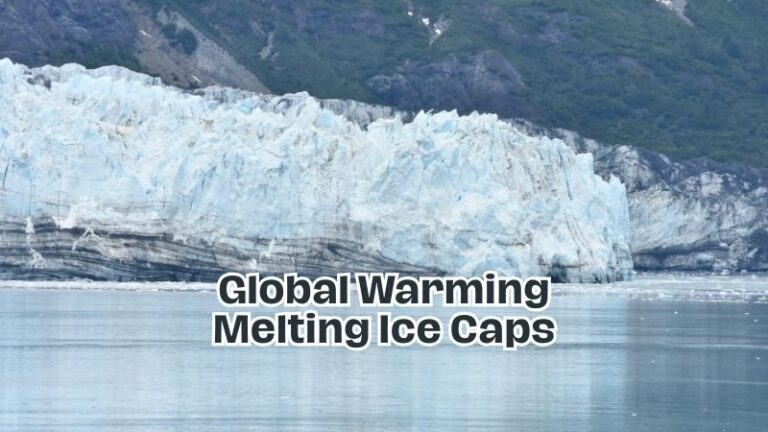
Natural disaster risks are no longer rare occurrences; instead, they are intensifying as global temperatures rise. In recent years, extreme weather events have become alarmingly common, leaving communities struggling to cope with sudden floods, wildfires, and hurricanes.
This article explores how climate change is accelerating the frequency and severity of these events, impacting ecosystems, human settlements, and economies worldwide. We will examine the scientific connections between rising greenhouse gas emissions and natural hazards, as well as the role of climate adaptation and disaster preparedness. By understanding these trends, policymakers, communities, and individuals can take informed steps to reduce vulnerability and build resilience against increasingly frequent storms, heatwaves, and other environmental catastrophes.
Understanding Natural Disasters
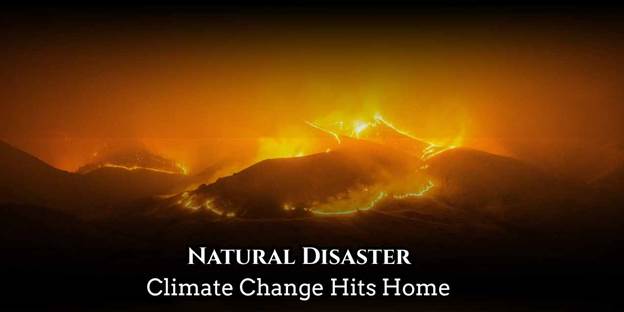
Natural disasters are catastrophic events caused by environmental factors that disrupt human life and ecosystems. They include floods, hurricanes, wildfires, earthquakes, and droughts. While some of these events occur naturally, recent trends indicate that climate change is intensifying their frequency and severity. Rising global temperatures, melting glaciers, and shifting weather patterns create conditions that make storms stronger, rainfall heavier, and heatwaves more extreme.
The Role of Climate Change
Climate change refers to long-term alterations in temperature, precipitation, and atmospheric conditions caused primarily by human activities such as burning fossil fuels and deforestation. These changes directly impact the environment in ways that trigger more frequent natural disasters. For instance, warmer oceans provide more energy for tropical storms, leading to more intense hurricanes. Similarly, prolonged heatwaves increase the risk of wildfires, while rising sea levels exacerbate coastal flooding.
Historical Perspective
Historically, natural disasters have always affected human civilizations, but the frequency and intensity have increased in the modern era. Ancient societies experienced floods and storms, but these events were less predictable and often localized. Today, climate change accelerates their occurrence globally, leaving communities less prepared. Recent examples include record-breaking wildfires in Australia, unprecedented hurricanes in the Caribbean, and devastating floods in South Asia. These events demonstrate how environmental changes and human-induced factors are interconnected.
Importance of Addressing the Issue
Understanding the connection between climate change and natural disasters is crucial for several reasons:
- Protecting Human Life Climate change-induced disasters pose a direct threat to lives. Preparing communities can prevent loss of life.
- Economic Stability Frequent disasters damage infrastructure, homes, and industries, leading to financial setbacks.
- Environmental Preservation Extreme events disrupt ecosystems, endanger species, and reduce biodiversity.
- Policy and Planning Knowledge of trends helps governments and organizations develop effective disaster management strategies.
Benefits of Climate Adaptation
Adapting to climate change reduces vulnerability and enhances resilience. Some key strategies include:
- Early Warning Systems Monitoring weather patterns to provide timely alerts for floods, hurricanes, and heatwaves.
- Sustainable Urban Planning Designing cities with green spaces, better drainage, and resilient infrastructure to withstand extreme events.
- Community Education Teaching residents how to prepare, respond, and recover from disasters.
- Ecosystem Restoration Preserving wetlands, forests, and mangroves that act as natural buffers against floods and storms.
Challenges in Combating Increased Natural Disasters
Despite growing awareness, addressing climate-driven natural disasters presents several challenges:
- Rapid Urbanization Expanding cities often encroach on floodplains and vulnerable areas, increasing exposure.
- Resource Limitations Developing countries may lack funds and technology to implement disaster management plans effectively.
- Unpredictable Weather Patterns Climate change makes extreme events more erratic, complicating preparation and mitigation efforts.
- Global Coordination Natural disasters often cross borders, requiring international cooperation, which can be challenging to coordinate.
Real-World Examples
Several recent events illustrate the link between climate change and natural disasters:
- Hurricane Ida 2021 The powerful storm caused widespread flooding and destruction in the United States, intensified by warmer ocean waters.
- European Heatwave 2022 Extreme temperatures led to wildfires, water shortages, and heat-related health issues.
- Pakistan Floods 2022 Record monsoon rainfall combined with glacial melt caused catastrophic flooding, affecting millions.
Moving Forward
Combating the rise in natural disasters requires a combined approach of mitigation and adaptation:
- Reducing Carbon Emissions Limiting greenhouse gases slows climate change and decreases disaster intensity.
- Investing in Infrastructure Building stronger roads, bridges, and flood defenses protects communities.
- Community Involvement Encouraging local participation ensures preparedness plans are practical and effective.
- Scientific Research Ongoing studies help predict trends, develop early warning systems, and identify vulnerable areas.
Conclusion
The rising frequency of natural disasters highlights the profound impact of climate change on our planet. From intense storms and floods to prolonged heatwaves and wildfires, communities worldwide face growing risks that demand urgent attention. Understanding these challenges, adopting climate adaptation strategies, and enhancing disaster preparedness can help minimize damage and protect lives. Staying informed about environmental trends and supporting sustainable practices is essential for resilience. Explore further ways to reduce vulnerability, stay updated on extreme weather events, and contribute to creating safer, more prepared communities.