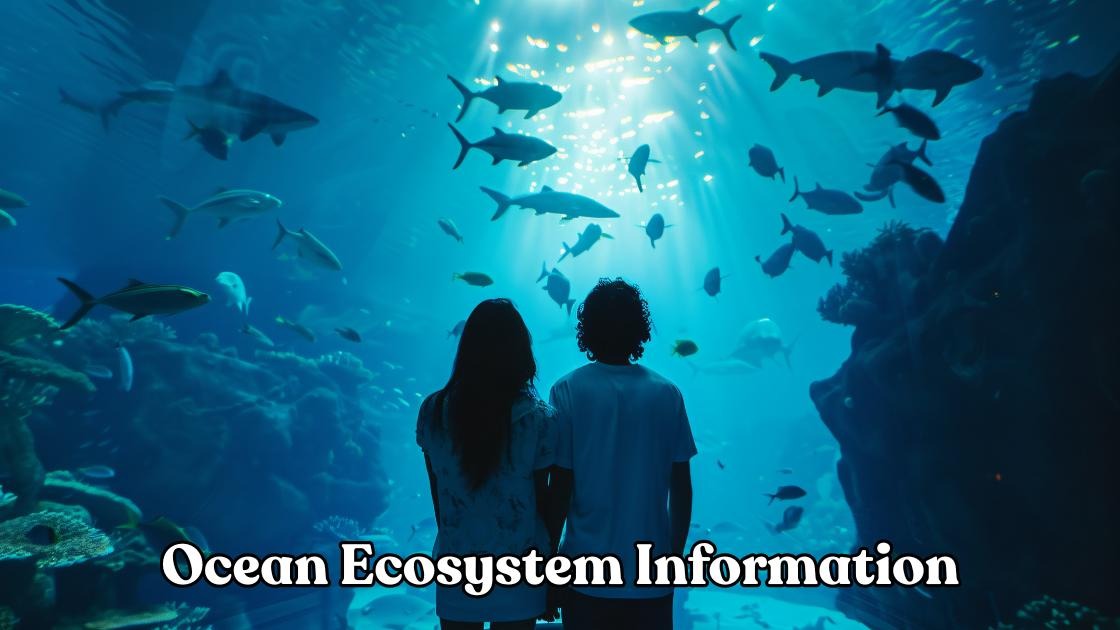
Understanding ocean ecosystem information opens a window into one of Earth’s most complex and vital environments. From the sunlit surface waters to the mysterious deep sea, marine habitats support an incredible diversity of life that influences our entire planet.
This comprehensive guide explores everything you need to know about marine biodiversity, underwater food chains, and the delicate balance that keeps our seas thriving. Whether you’re a student, researcher, or simply passionate about sea life, you’ll discover how coral reefs, kelp forests, and open ocean environments function together. We’ll also examine current ocean conservation challenges and what marine biology experts are doing to protect these precious aquatic habitats. Let’s dive into the fascinating world that covers over 70 percent of our planet.
Ocean Ecosystem Information: What It Means and Why It Matters
An ocean ecosystem refers to the complex network of living organisms and their physical environment within marine waters. This includes everything from microscopic plankton to massive whales, along with the water, sunlight, and nutrients that sustain them. Ocean ecosystem information helps us appreciate how these interconnected systems support life both underwater and on land.
The significance of healthy marine environments cannot be overstated. Oceans produce over half of the oxygen we breathe and absorb vast amounts of carbon dioxide from the atmosphere. They regulate global climate patterns and provide food security for billions of people worldwide. When we study ocean ecosystem information, we gain critical insights into protecting these irreplaceable natural resources.
The Foundation of Marine Life
Every underwater environment depends on primary producers like phytoplankton and seaweed. These organisms convert sunlight into energy through photosynthesis, forming the base of all marine food webs. Without them, the entire system would collapse.
Types of Ocean Ecosystems Around the World
Marine environments are remarkably diverse, each supporting unique communities of species adapted to specific conditions. Understanding different aquatic habitats reveals how geography, temperature, and depth shape underwater life.
Coastal and Shallow Water Ecosystems
Coastal zones represent some of the most productive areas in our oceans. These regions benefit from nutrient runoff from land and abundant sunlight penetration.
Coral Reef Environments
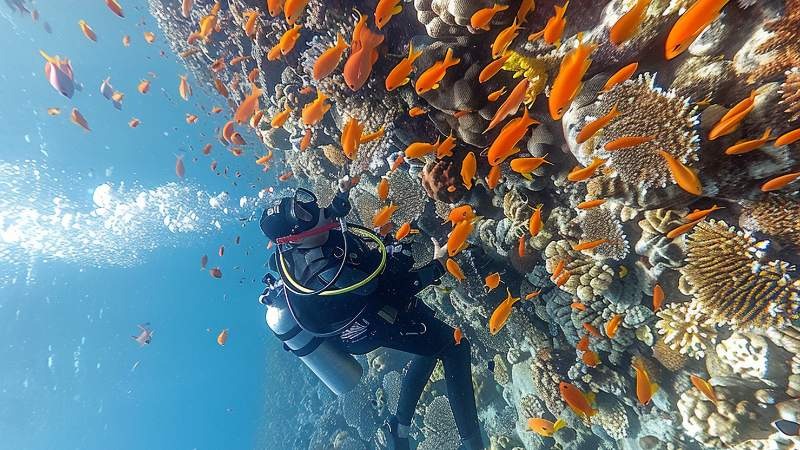
Often called the rainforests of the sea, coral reef ecosystems support approximately 25 percent of all marine species despite covering less than one percent of the ocean floor. These vibrant structures provide shelter, breeding grounds, and hunting territories for thousands of fish species, invertebrates, and marine mammals.
Kelp Forest Habitats
Along temperate coastlines, towering kelp forests create underwater jungles that rival coral reefs in biodiversity. These environments shelter sea otters, seals, and countless fish species while producing significant amounts of oxygen.
Open Ocean and Deep Sea Zones
The vast open ocean, known as the pelagic zone, covers the largest area of any habitat on Earth. Here, marine biodiversity takes different forms, with species adapted to life without shelter or seafloor contact.
The deep sea continues to be among the most mysterious and unexplored areas on Earth. Creatures living in these dark, high pressure environments have developed extraordinary adaptations, including bioluminescence and extreme pressure tolerance.
How Ocean Food Chains Work
Ocean ecosystem information becomes truly fascinating when examining how energy flows through marine communities. Each living creature serves a unique purpose in keeping the marine environment stable and thriving.
Trophic Levels Explained
Energy transfer in oceans follows a predictable pattern from producers to top predators. Every trophic level relies on the one beneath it to sustain life and energy flow.
- Phytoplankton and algae capture solar energy and form the foundation
- Zooplankton and small fish consume primary producers as herbivores
- Medium sized predators like squid and mackerel feed on smaller organisms
- Large predators including sharks and tuna hunt medium sized prey
- Apex predators and decomposers complete the cycle by recycling nutrients
The Role of Keystone Species
Certain animals have disproportionate effects on their environments. Sea otters, for example, control sea urchin populations that would otherwise destroy kelp forests. Removing these keystone species triggers cascading effects throughout the entire system.
Current Threats to Marine Environments
Studying ocean ecosystem information also means confronting serious challenges facing our seas today. Human activities have accelerated changes that threaten underwater biodiversity at unprecedented rates.
Major Environmental Pressures
Marine habitats face multiple simultaneous stressors that compound their effects on wildlife.
- Climate change causes ocean warming and acidification that bleaches coral reefs
- Plastic pollution accumulates in food chains and harms countless species
- Overfishing depletes populations faster than they can reproduce naturally
- Coastal development destroys critical nursery habitats like mangroves and estuaries
- Agricultural runoff creates oxygen depleted dead zones in coastal waters
Conservation Efforts Making a Difference
Despite these challenges, dedicated researchers and organizations are working tirelessly to reverse damage. Marine protected areas have shown remarkable success in allowing fish populations to recover. Sustainable fishing practices and plastic reduction initiatives are gaining momentum globally.
Why Ocean Literacy Matters for Everyone
Accessing reliable ocean ecosystem information empowers individuals to make informed decisions that benefit marine life. Whether choosing sustainable seafood or supporting conservation policies, educated citizens drive positive change.
Sea life conservation starts with understanding. The more we learn about how marine systems function, the better equipped we become to protect them for future generations. Our oceans need informed advocates now more than ever.
Conclusion
Exploring ocean ecosystem information reveals the remarkable complexity and importance of our marine environments. From vibrant coral reefs to mysterious deep sea zones, every habitat plays a crucial role in maintaining planetary health. Understanding marine food webs, biodiversity, and the threats facing our seas empowers us to become better stewards of these precious resources.
The knowledge you’ve gained about ocean ecosystem information provides a foundation for appreciating and protecting underwater life. As climate change and pollution continue threatening marine habitats, informed individuals can drive meaningful conservation efforts. By supporting sustainable practices and staying educated about sea life, we all contribute to healthier oceans for generations to come.