Every year, millions of tons of single-use plastics are discarded, polluting oceans, choking wildlife, and contributing to climate change. These plastics bags, straws, bottles, and packaging are designed for convenience but come at a devastating cost to the environment. The search for a plastic alternative has become one of the most pressing issues of our time.
This article explores the environmental consequences of single-use plastics, their history, and why finding sustainable solutions is essential. We will also highlight different plastic alternatives such as biodegradable packaging, reusable items, and innovative materials that can reduce waste. By understanding both the challenges and benefits, we can see how small changes in consumer choices and corporate responsibility can create a massive global impact.
What Are Single-Use Plastics?
Single-use plastics are disposable plastic products intended for one-time use before being discarded. These include water bottles, cutlery, grocery bags, and packaging materials.
While lightweight and convenient, they are also one of the leading contributors to global pollution. Most single-use plastics are not biodegradable and remain in the environment for hundreds of years, making a plastic alternative essential for long-term sustainability.
History of Single-Use Plastics
The rise of plastics began in the 1950s when industries realized their affordability and durability. By the 1970s, single-use plastic products were marketed as hygienic, modern, and cost-effective. However, the environmental impact wasn’t immediately recognized.
Decades later, overflowing landfills, plastic-filled oceans, and the presence of microplastics in the food chain revealed the darker side of plastic convenience. This growing awareness has fueled innovation in plastic alternatives that are safer for the planet.
Environmental Consequences of Single-Use Plastics
Pollution and Waste
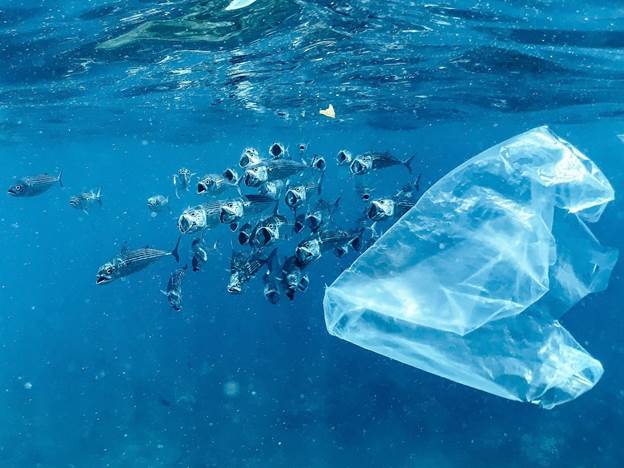
Over 300 million tons of plastic are produced annually, with nearly half used for disposable products. Unfortunately, only about 9% is recycled. The rest ends up in landfills or oceans. Plastic waste harms marine ecosystems, with turtles, seabirds, and fish mistaking plastic for food.
Carbon Emissions
Plastic is derived from fossil fuels. Its production and disposal release significant greenhouse gases, accelerating climate change. By switching to a plastic alternative, industries can reduce their carbon footprint.
Microplastics and Human Health
As plastics break down, they form microplastics tiny fragments that contaminate soil, water, and even the air we breathe. Studies show that humans ingest thousands of microplastic particles annually, raising concerns about long-term health effects.
Why We Need a Plastic Alternative
The need for a plastic alternative goes beyond reducing pollution—it’s about building a sustainable future. By replacing single-use plastics with greener options, societies can:
- Protect marine and land ecosystems.
- Minimize toxic waste in soil and water.
- Reduce dependency on fossil fuels.
- Encourage eco-conscious business practices.
A plastic alternative is no longer optional it’s vital for the survival of ecosystems and future generations.
Examples of Plastic Alternatives
Biodegradable Materials
Biodegradable packaging made from cornstarch, sugarcane, or seaweed decomposes naturally, leaving little environmental impact. Compostable cutlery and plates are now widely used in eco-conscious restaurants and events.
Reusable Solutions
- Metal straws and bamboo cutlery replace disposable utensils.
- Glass jars and stainless steel bottles reduce the demand for plastic packaging.
- Silicone food storage bags offer durability and flexibility.
Innovative Alternatives
- Mushroom packaging grown from mycelium is strong and compostable.
- Edible packaging films made from seaweed or rice provide zero-waste solutions.
- Paper-based products with natural coatings serve as replacements for plastic-coated cups.
Each plastic alternative reduces waste while proving that sustainability and practicality can go hand in hand.
Benefits of Plastic Alternatives
Environmental Benefits
- Reduce plastic waste in oceans and landfills.
- Lower carbon emissions from production and disposal.
- Support biodiversity by reducing harm to wildlife.
Economic Benefits
- Boost eco-friendly businesses and green jobs.
- Encourage innovation in sustainable product design.
- Save costs over time through reusable systems.
Social Benefits
- Strengthen brand reputation for businesses adopting sustainable packaging.
- Promote healthier lifestyles by reducing microplastic exposure.
- Inspire consumers to make environmentally responsible choices.
Challenges of Replacing Single-Use Plastics
Despite the promise of plastic alternatives, several challenges remain:
- Higher Costs – Biodegradable materials often cost more than traditional plastics.
- Limited Infrastructure – Composting facilities are not available everywhere.
- Consumer Habits – Many people still rely on the convenience of disposable plastics.
- Durability Issues – Some alternatives may not match the strength or shelf-life of plastic.
Overcoming these barriers requires government policies, industry innovation, and consumer awareness.
Real-World Examples of Progress
- European Union – Banned single-use plastics such as straws, cutlery, and plates.
- India – Implemented restrictions on plastic bags and packaging.
- IKEA – Phasing out polystyrene packaging for compostable mushroom-based solutions.
- Loop Initiative – Partnering with major brands to offer refillable, reusable packaging for household goods.
These examples show that a plastic alternative is not just theoretical—it’s already reshaping global markets.
The Future of Plastic Alternatives
The future of packaging will likely combine biodegradable materials, reusable models, and minimal designs to eliminate waste. As research progresses, costs will decrease, making sustainable options more accessible.
Governments, industries, and consumers must collaborate to scale these solutions. By investing in innovation and changing consumption habits, society can phase out single-use plastics and embrace a circular economy.
Conclusion
Single-use plastics may offer convenience, but their environmental consequences are severe pollution, carbon emissions, and microplastics threaten ecosystems and human health alike. Adopting a plastic alternative is the key to reducing waste and creating a sustainable future.
From biodegradable materials to reusable solutions, these alternatives provide hope for a cleaner planet. Though challenges exist, innovation and global cooperation are driving real change. Now is the time for individuals and businesses alike to take action—because every choice for a plastic alternative is a step toward protecting our planet.