Polar ice caps melting 2022 became a powerful symbol of how quickly Earth’s climate is changing, drawing global attention from scientists, policymakers, and everyday people alike. In that year, record-breaking temperatures and shifting weather patterns accelerated ice loss at both poles, raising urgent concerns about the planet’s future.
This article explores why the melting intensified, how it affects global sea level rise, climate change impacts, Arctic warming trends, Antarctic ice loss, and ecosystem disruption, and what these changes mean for coastal communities worldwide. By breaking down complex science into clear insights, you’ll understand the driving forces behind the crisis and why it matters beyond the polar regions. The discussion also highlights key warnings from researchers and the broader implications for Earth’s climate system, helping readers grasp the scale and urgency of this unfolding environmental challenge.
Understanding Polar Ice Caps Melting 2022
Definition and Overview
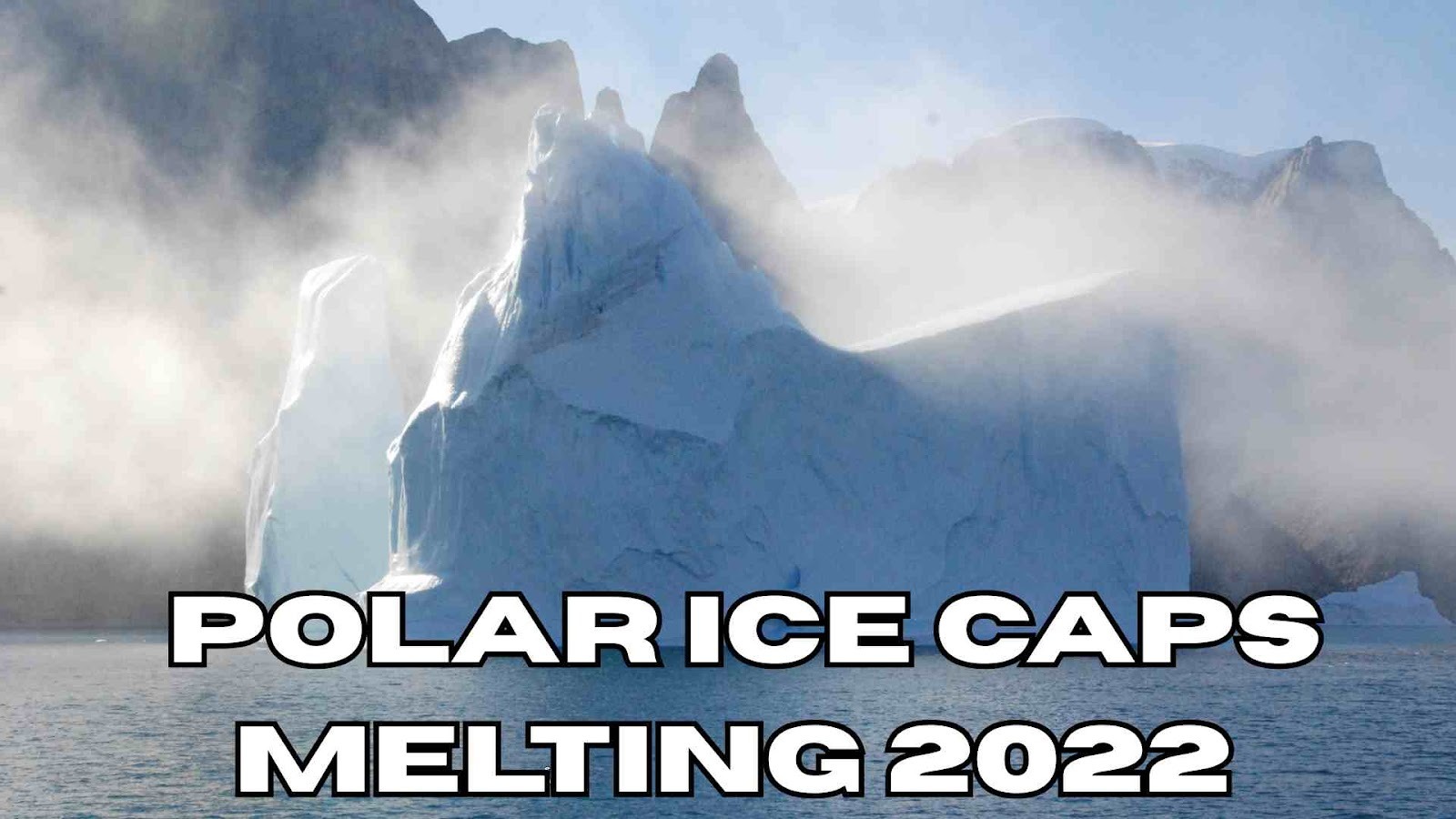
Polar ice caps melting 2022 refers to the accelerated loss of ice in the Arctic and Antarctic observed during that year due to rising global temperatures. Scientists recorded unusually warm air and ocean conditions that weakened ice sheets and glaciers at unprecedented rates. This process is closely linked with global warming, rising ocean temperatures, and long term climate variability, making it a critical indicator of Earth’s changing climate system.
Historical Background
The melting of polar ice is not new, but its pace has increased dramatically over recent decades. Before 2000, ice loss occurred gradually, allowing ecosystems time to adapt. By 2022, however, satellite data showed sharper seasonal declines. These changes highlight how human driven greenhouse gas emissions have intensified natural climate cycles, pushing polar regions toward rapid transformation.
Why the 2022 Ice Melt Matters Globally
Environmental Significance
Polar ice caps melting 2022 had consequences far beyond the poles. Ice reflects sunlight, and when it disappears, darker ocean water absorbs more heat, accelerating warming. This feedback loop worsens climate feedback mechanisms and contributes to sea level rise, threatening low lying regions.
Social and Economic Importance
Communities worldwide feel the impact through coastal flooding, fisheries disruption, and changing weather patterns. The melt also affects global weather systems, influencing monsoons, storms, and droughts. Understanding these links helps governments and industries prepare for long term risks.
Key Drivers Behind the Accelerated Melting
Rising Atmospheric Temperatures
Record high temperatures were a major factor in polar ice caps melting 2022. Warmer air weakens ice surfaces, increasing meltwater formation and cracking ice shelves.
Ocean Heat Absorption
Warmer oceans erode ice from below. This hidden process is especially damaging in Antarctica, where Antarctic ice instability has become more pronounced.
Human Influence
Industrial activities, deforestation, and fossil fuel use have increased carbon dioxide levels, intensifying polar warming faster than global averages.
Main Causes at a Glance
1.Increased greenhouse gas concentrations
2.Stronger heat absorption by oceans
3.Reduced ice reflectivity
4.Changing wind and ocean currents
5.Limited natural recovery time
Impacts on Ecosystems and Wildlife
Arctic and Antarctic Biodiversity
Polar ice caps melting 2022 disrupted habitats for species like polar bears, seals, and penguins. Ice dependent animals struggle to find food and breeding grounds, leading to declining populations.
Marine Ecosystem Changes
Melting ice alters salinity and nutrient distribution, affecting plankton growth. Since plankton forms the base of the marine food chain, these changes ripple through entire ecosystems, impacting marine biodiversity loss.
Effects on Global Sea Levels
Coastal Risks
One of the most serious outcomes of polar ice caps melting 2022 is rising sea levels. Even small increases can flood coastal cities, contaminate freshwater supplies, and displace millions of people.
Long Term Projections
Scientists warn that continued ice loss could lock in meters of sea level rise over centuries. This makes climate adaptation strategies essential for future planning.
Scientific Monitoring and How It Works
Role of Satellites and Research Stations
Researchers track ice changes using satellites, drones, and on ground stations. These tools measure ice thickness, movement, and temperature trends, providing real time insights into cryosphere monitoring.
Data Interpretation
By comparing historical records with current data, scientists can predict future scenarios. This helps policymakers assess risks linked to polar ice caps melting 2022 and beyond.
Challenges in Addressing Ice Melt
Scientific Uncertainty
While trends are clear, predicting exact timelines remains difficult due to complex climate interactions.
Political and Economic Barriers
Reducing emissions requires global cooperation, yet economic interests often slow progress. This delay increases the risks associated with ongoing ice loss.
What Can Be Done Moving Forward
Mitigation and Adaptation Strategies
Addressing polar ice caps melting 2022 requires both reducing emissions and adapting to unavoidable changes. Effective actions include
1.Transitioning to renewable energy
2.Improving energy efficiency
3.Protecting natural carbon sinks
4.Investing in coastal defenses
5.Supporting climate research
Individual and Collective Responsibility
While governments play a key role, individual choices such as reducing energy use and supporting sustainable policies also matter. Combined efforts can slow warming and protect polar regions.
Final Perspective
Polar ice caps melting 2022 served as a clear warning that climate change impacts are accelerating. By understanding its causes, effects, and solutions, societies can make informed decisions to safeguard ecosystems, economies, and future generations.
Conclusion
The discussion around polar ice caps melting 2022 reveals a clear picture of accelerating climate change and its far reaching effects. From rising temperatures and greenhouse gas emissions to sea level rise, ecosystem disruption, and shifting global weather patterns, the impacts are both environmental and societal. Scientific monitoring shows these changes are measurable and ongoing, making climate adaptation strategies and emission reduction essential. Addressing polar ice caps melting 2022 is crucial not only for protecting polar regions but also for ensuring long term global stability, environmental balance, and human resilience.