Solutions to reduce air pollution are essential for creating a cleaner, healthier, and more sustainable world. As air quality declines due to rapid industrialization and vehicle emissions, finding practical ways to address this issue has become urgent.
This article explores ten effective approaches that can make a real difference in minimizing pollution and improving community well-being. By adopting renewable energy, promoting eco-friendly transportation, and encouraging green initiatives, individuals and organizations can contribute to lasting environmental change. These methods not only reduce harmful emissions but also enhance public health and promote sustainable living. Let’s discover how collective action and innovative thinking can pave the way toward cleaner air and a healthier planet for everyone.
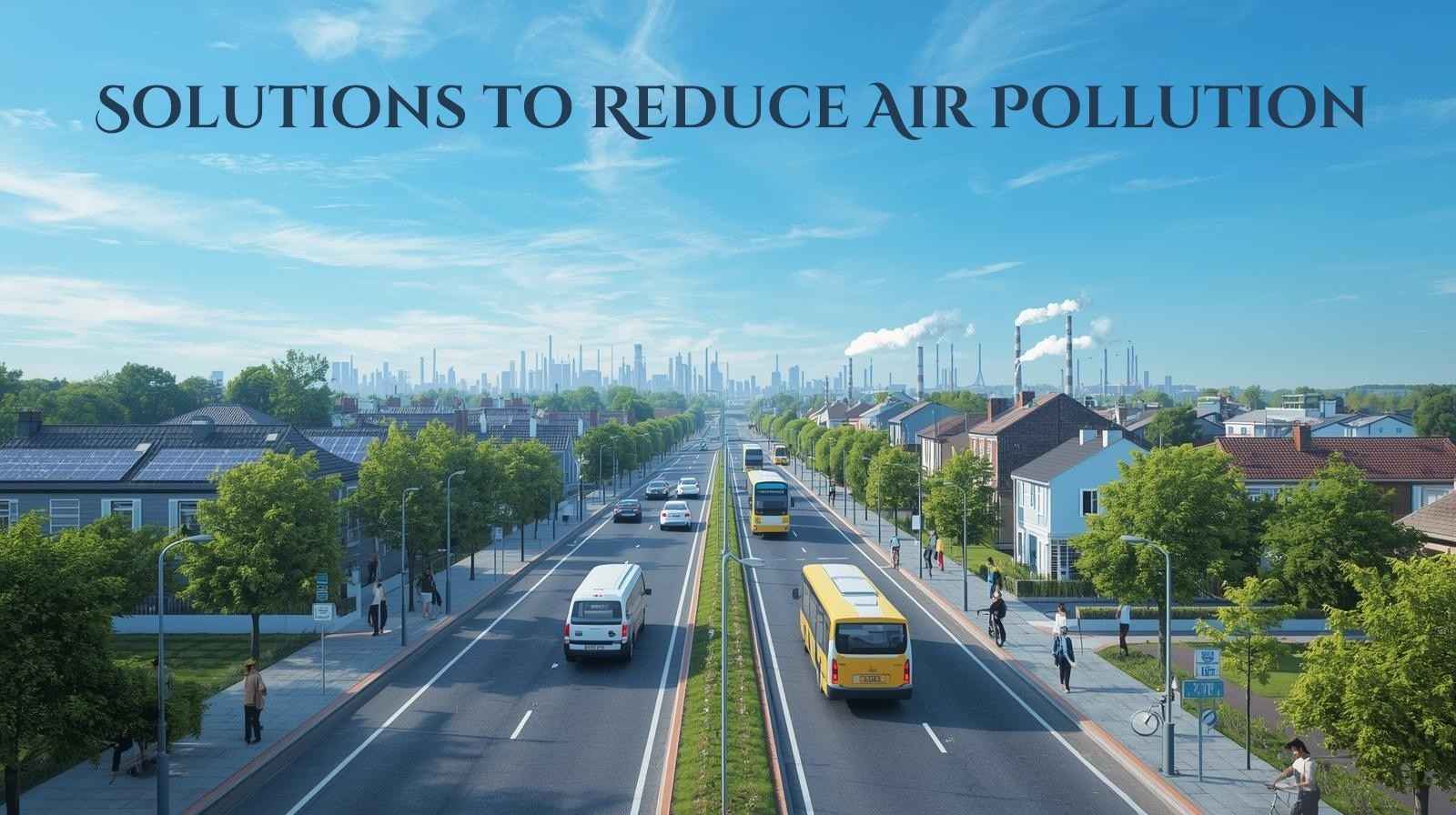
Understanding Solutions to Reduce Air Pollution and Its Impact on Health
Air pollution refers to the presence of harmful substances in the atmosphere, such as carbon monoxide, nitrogen oxides, particulate matter, and volatile organic compounds. These pollutants come from human activities like transportation, industrial production, and energy generation. Over the years, the rise of urbanization and industrial growth has worsened air quality, making it one of the most serious global environmental challenges.
Poor air quality affects human health by increasing respiratory problems, heart diseases, and allergies. It also harms ecosystems, damages crops, and contributes to climate change. That’s why exploring solutions to reduce air pollution is not only about environmental safety but also about protecting public health and ensuring sustainable living for future generations.
1. Promoting Renewable Energy Sources
Switching to renewable energy is one of the most effective ways to combat pollution. Fossil fuel combustion releases massive amounts of carbon dioxide and other harmful gases into the air. By embracing clean alternatives, we can significantly cut down emissions.
Benefits of Renewable Energy
- Solar, wind, and hydro power generate clean energy without releasing toxic pollutants
- Reduces dependence on non-renewable resources
- Lowers greenhouse gas emissions and promotes energy security
Example: Countries like Denmark and Germany have successfully increased their renewable energy usage, leading to a noticeable improvement in air quality.
2. Encouraging Eco-Friendly Transportation
Transportation is one of the biggest contributors to urban air pollution. Adopting eco-friendly transportation methods can play a major role in reducing emissions.
Sustainable Transportation Options
- Use of electric and hybrid vehicles
- Promotion of public transport systems
- Encouragement of walking and cycling for short distances
Example: Cities like Amsterdam and Copenhagen have implemented cycling-friendly infrastructure, reducing vehicular pollution while promoting healthier lifestyles.
3. Enhancing Urban Green Spaces
Green spaces act as natural air filters.Trees take in carbon dioxide and produce oxygen, helping to purify and enhance the quality of the air. Expanding urban green spaces can provide multiple benefits.
Importance of Green Infrastructure
- Reduces the urban heat island effect
- Improves mental well-being and encourages outdoor activities
- Filters dust and airborne particles
Example: Singapore’s “City in a Garden” initiative incorporates lush greenery into urban design, helping to lower pollution levels and promote biodiversity.
4. Strengthening Industrial Emission Controls
Industrial activities produce a significant share of airborne pollutants. To develop strong solutions to reduce air pollution, industries must implement emission control technologies and cleaner production methods.
Practical Measures
- Installing air filtration systems and scrubbers
- Adopting cleaner manufacturing processes
- Regular monitoring of emissions through smart sensors
Example: Japan’s industrial sectors have drastically reduced their emissions through strict regulations and innovative pollution-control technologies.
5. Promoting Waste Management and Recycling
Improper waste disposal and open burning contribute heavily to air pollution. Encouraging waste reduction and recycling helps minimize toxic fumes and particulate matter.
Effective Waste Management Solutions
- Separate and recycle plastic, paper, and glass materials
- Compost organic waste to reduce landfill gas emissions
- Implement zero-waste community programs
Example: Sweden recycles nearly 99% of its household waste, turning it into energy and reducing air pollutants.
6. Supporting Energy-Efficient Buildings
Energy-efficient infrastructure not only saves electricity but also reduces emissions from power generation. Green building practices can make cities cleaner and more sustainable.
Key Features
- Use of natural lighting and ventilation
- Energy-saving appliances and insulation materials
- Rooftop gardens to absorb pollutants
Example: The Bullitt Center in Seattle, USA, is one of the world’s greenest commercial buildings, designed to generate zero emissions.
7. Raising Public Awareness and Education
Educating people about air pollution’s causes and prevention methods is vital. Awareness drives help individuals make environmentally conscious choices and support sustainable development initiatives.
Awareness Campaign Strategies
- Conduct workshops and seminars in schools and communities
- Promote eco-friendly behavior through media campaigns
- Encourage public participation in tree planting and clean-air programs
Example: India’s “Clean Air for Blue Skies” campaign emphasizes public awareness about reducing vehicle emissions and promoting cleaner living.
8. Implementing Government Regulations
Strong policies and environmental laws are essential solutions to reduce air pollution. Governments play a central role in enforcing emission standards and promoting cleaner technologies.
Regulatory Approaches
- Setting strict limits for industrial and vehicle emissions
- Encouraging renewable energy subsidies
- Supporting research in clean technology innovations
Example: The European Union’s Clean Air Policy Package has helped member countries cut air pollution and save thousands of lives annually.
9. Promoting Smart Urban Planning
Urban planning directly influences air quality. Incorporating sustainable urban design helps reduce pollution sources and promotes healthier cities.
Urban Design Solutions
- Creating mixed-use developments to reduce commuting distances
- Expanding public transport networks
- Designing green corridors for natural ventilation
Example: Curitiba, Brazil, is a model city for integrating environmental sustainability into urban planning, reducing air pollution through effective zoning and transport management.

10. Supporting Technological Innovations
Emerging technologies play a significant role in tackling air pollution. Smart tools can monitor, predict, and reduce pollutant levels more effectively.
Innovative Approaches
- Use of air quality sensors for real-time monitoring
- Development of carbon capture and storage systems
- AI-based solutions to track pollution patterns
Example: China’s use of artificial intelligence to analyze air quality data has improved policy-making and pollution control efficiency.
Conclusion:
Implementing effective solutions to reduce air pollution is vital for improving global air quality and protecting public health. From adopting renewable energy and eco-friendly transportation to enhancing waste management and green spaces, every effort contributes to cleaner air and a more sustainable planet. By taking small yet consistent steps, individuals, communities, and governments can make a lasting impact. Let’s continue to learn, innovate, and explore better ways to ensure a pollution-free environment and a healthier future for generations to come.