As the world shifts toward cleaner power sources, storage solutions for renewable energy have become essential to maximize efficiency and reliability. Harnessing energy from solar, wind, and other sustainable resources presents unique challenges, particularly when it comes to managing supply and demand.
This article explores advanced energy storage technologies, including battery systems and grid integration methods, that ensure a consistent power flow even when natural sources fluctuate. We will also examine emerging smart energy management strategies and their role in creating a resilient, eco-friendly power infrastructure. By understanding these innovations, industries and households can make informed choices to enhance sustainability, reduce carbon footprints, and embrace the future of renewable energy.
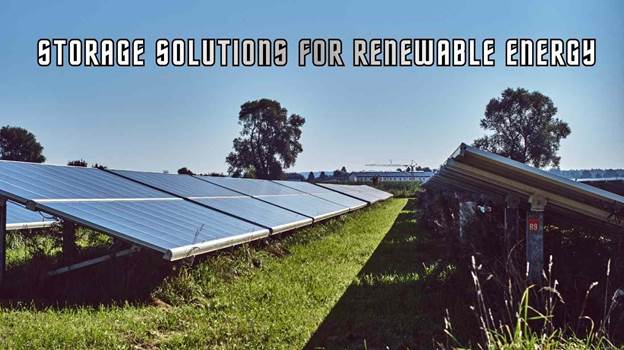
Understanding Storage Solutions for Renewable Energy
What Are Storage Solutions for Renewable Energy?
Storage solutions for renewable energy refer to technologies and systems designed to store electricity generated from renewable sources like solar, wind, hydro, and biomass. These solutions allow energy to be stored during periods of high generation and used during peak demand or low production periods. By balancing energy supply and demand, these systems enhance grid stability and reliability.
Historical Background of Energy Storage
The concept of solutions to renewable energy dates back decades, with early mechanical methods such as pumped hydro storage being widely used. Over time, technological advancements introduced chemical and electrical storage solutions, including lithium-ion batteries, flow batteries, and supercapacitors, revolutionizing how renewable energy is captured and utilized.
Importance of Renewable Energy Storage
Ensuring Grid Stability
One of the main reasons storage systems are vital is their role in grid stability. Renewable sources are often intermittent solar panels don’t generate power at night, and wind turbines depend on wind availability. Energy storage systems store surplus energy during peak production and release it when demand rises, maintaining a consistent electricity supply.
Supporting Decentralized Energy Systems
Modern energy systems are moving toward decentralized grids where households and businesses generate their own energy. Battery storage solutions allow users to store excess energy locally, reducing dependency on the main grid and improving energy security.
Related Article: The Future of Commercial Renewable Energy: Innovations Driving Sustainable Growth
Environmental Benefits
Storage solutions contribute significantly to sustainability. By efficiently managing renewable energy, they reduce reliance on fossil fuels, cut greenhouse gas emissions, and support global carbon reduction targets.
Types of Storage Solutions for Renewable Energy
Mechanical Storage
Pumped Hydro Storage
Pumped hydro is the most common form of mechanical storage. Water is pumped to elevated reservoirs during surplus energy periods and released to generate electricity when needed.
Flywheel Energy Storage
Flywheels store energy in the form of rotational kinetic energy, releasing it quickly during peak demand periods. This solution is highly efficient for short-term storage needs.
Electrochemical Storage
Lithium-Ion Batteries
Widely used in both residential and industrial applications, lithium-ion batteries are efficient, have high energy density, and support rapid charge-discharge cycles.
Flow Batteries
Flow batteries offer scalable solutions for large energy storage systems. They are durable and capable of long-duration energy discharge, making them suitable for grid-scale storage.
Thermal Storage
Molten Salt Systems
Molten salt can store heat generated from solar thermal plants, which can later be converted into electricity. This system supports continuous energy supply, even when sunlight is unavailable.
Ice Storage Systems
Ice storage involves producing ice during off-peak hours and using it for cooling or power generation during peak demand, balancing energy loads effectively.
Benefits of Storage Solutions
Economic Advantages
• Lower energy costs by storing excess energy for later use
• Reduce the need for expensive peak power plants
• Enable participation in energy markets through demand response programs
Operational Benefits
• Enhance grid reliability by mitigating fluctuations in energy supply
• Enable integration of more renewable energy sources without overloading the grid
• Provide emergency backup during outages
Environmental Impact
• Reduce greenhouse gas emissions
• Support the adoption of cleaner energy sources
• Minimize energy wastage by storing surplus production

Challenges in Implementing Energy Storage
High Initial Costs
Advanced storage technologies, especially lithium-ion and flow batteries, require substantial upfront investment.
Technical Limitations
• Limited lifespan of certain battery types
• Energy losses during storage and conversion
• Need for sophisticated energy management systems
Regulatory and Policy Barriers
Some regions lack supportive policies for renewable energy storage, which can slow down adoption and innovation.
Real-World Examples of Storage Solutions
Tesla Powerwall
The Tesla Powerwall is a residential lithium-ion battery system that stores solar energy for home use, increasing self-consumption and reducing grid dependency.
Hornsdale Power Reserve
Located in Australia, this facility uses lithium-ion batteries to provide grid-scale storage, stabilize frequency, and supply emergency power.
Flow Battery Projects
Large-scale flow battery installations in countries like South Korea and the United States demonstrate the feasibility of long-duration energy storage for industrial and utility-scale applications.
Conclusion:
Storage solutions for renewable energy play a pivotal role in ensuring reliable, efficient, and sustainable power supply. By integrating advanced battery systems, thermal storage, and grid-scale technologies, we can overcome the challenges of intermittent energy sources while promoting environmental sustainability. These innovations not only support economic efficiency but also pave the way for a greener, more resilient energy future. Staying informed about emerging storage technologies is essential for industries, communities, and individuals seeking to optimize energy use and contribute to a cleaner planet. Explore further to understand how these solutions can transform energy management.