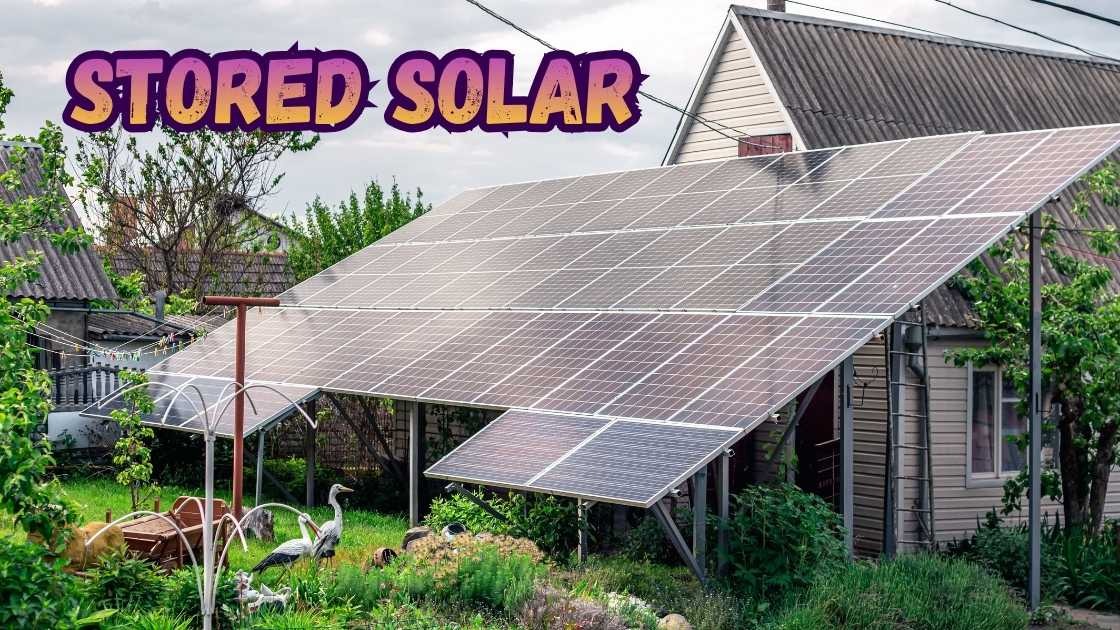
Stored solar energy is transforming how we harness and utilize renewable power, making it more reliable and accessible than ever before. As the world shifts towards greener alternatives, energy storage solutions and solar power systems have become crucial to overcoming the intermittent nature of solar energy.
This article explores the latest advancements in Solar battery storage technology and how it is reshaping the landscape of sustainable energy storage. From innovative battery designs to smart grid integration, we will delve into the benefits and challenges that come with adopting this clean energy revolution. Whether you’re curious about the future of solar power or interested in practical applications, this guide offers a clear understanding of Stored sunlight energy’s role in driving a sustainable energy future.
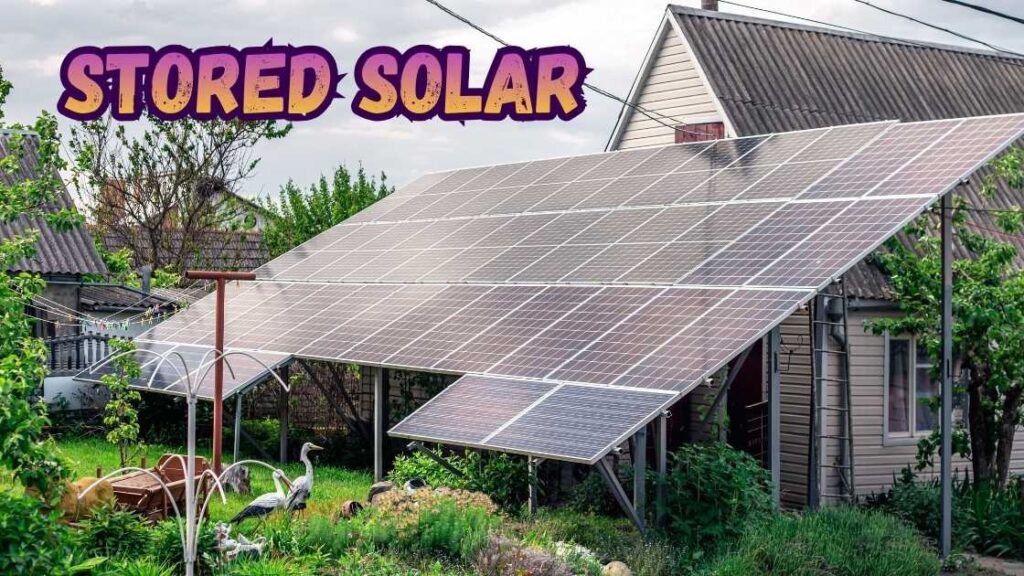
Understanding Stored Solar Technology and Its Impact on Renewable Energy
Stored solar technology refers to systems and methods used to capture solar energy and save it for later use. This is essential because solar energy production depends on sunlight availability, which fluctuates throughout the day and seasons. By storing excess solar power, users can maintain a consistent energy supply, reducing reliance on traditional power grids.
The Evolution of Solar Energy Storage
Solar energy storage has evolved significantly over the years. Early systems relied on simple batteries to save surplus electricity. However, these were often expensive and inefficient. Advances in energy storage solutions such as lithium-ion batteries, flow batteries, and thermal storage have revolutionized the field. These technologies provide longer storage times, higher capacity, and better energy conversion rates.
Today, Solar power storage technology plays a crucial role in integrating solar power into everyday life, from residential homes to large-scale solar farms.
Importance of Stored Solar in Modern Energy Systems
The significance of stored solar energy lies in its ability to solve the biggest challenge of renewable power: intermittency. Solar panels generate electricity only when the sun shines, making Captured solar power systems vital for:
- Ensuring power availability during nighttime or cloudy days
- Enhancing grid stability and reliability
- Reducing dependence on fossil fuels
- Lowering energy costs through peak-shaving and load balancing
Additionally, it supports sustainable energy storage strategies by enabling more effective use of renewable resources and contributing to cleaner energy consumption.
Key Benefits of Stored Solar Technology
Stored solar technology offers numerous advantages that contribute to the global push for cleaner energy:
- Energy Independence
Users can generate and store their own electricity, reducing dependence on utility companies and fossil fuels. - Cost Savings
By storing energy during low-demand periods and using it during peak hours, households and businesses can save on electricity bills. - Environmental Impact
It reduces greenhouse gas emissions by minimizing the need for backup power from fossil-fueled plants. - Grid Support
Energy storage helps balance supply and demand on the power grid, preventing outages and enhancing overall efficiency. - Scalability
Storage solutions can be tailored to different needs, from small residential setups to large utility-scale projects.
Challenges Facing Stored Solar Technology
Despite its benefits, Solar energy reserves technology still faces several hurdles:
- High Initial Costs
Advanced storage systems like lithium-ion batteries require significant upfront investment, which can deter some users. - Battery Lifespan and Degradation
Most batteries degrade over time, reducing efficiency and requiring replacements every few years. - Energy Density Limitations
Current storage technologies have limits on how much energy they can hold relative to their size and weight. - Resource Availability
Materials like lithium and cobalt are crucial for many batteries but are limited and sometimes sourced unethically. - Integration Complexity
Combining storage with solar panels and existing grid infrastructure demands careful planning and advanced technology.
Efforts are underway to address these issues through research and development of new materials, recycling methods, and smarter energy management systems.
Examples of Stored Solar Applications in Real Life
Stored solar technology is already making an impact worldwide in various forms:
Residential Solar Storage Systems
Homeowners install solar panels paired with battery banks to store excess power. Systems like Tesla Powerwall allow users to reduce utility bills and maintain power during outages.
Commercial and Industrial Storage
Businesses use Solar energy storage to cut energy costs and increase resilience. Warehouses, factories, and office buildings integrate large battery arrays to manage energy loads efficiently.
Utility-Scale Solar Storage Projects
Large solar farms incorporate massive energy storage to feed stable power to national grids. Projects such as the Hornsdale Power Reserve in Australia demonstrate how it can support entire communities and enhance grid reliability.
Off-Grid Solar Solutions
Remote locations and developing regions benefit from solar storage systems that provide electricity without connection to central power grids. This promotes energy access and economic growth in underserved areas.
The Future of Stored Solar and Renewable Energy Storage
Stored solar technology continues to evolve rapidly. Innovations such as solid-state batteries, improved thermal storage, and green hydrogen production are on the horizon. These advancements promise higher efficiency, longer lifespans, and lower environmental impact.
Moreover, the integration of smart grids and AI-powered energy management systems will optimize how it is used, making renewable energy more accessible and reliable than ever before.
Conclusion
Stored solar technology is transforming the way we capture and use renewable energy, making power supply more reliable and sustainable. By addressing key challenges and enhancing energy storage solutions, it supports cleaner and more efficient electricity management. As innovations continue to advance, it will become increasingly vital for homes, businesses, and large-scale projects. Embracing these technologies not only reduces environmental impact but also paves the way for a greener future. Stay updated on the latest developments to explore how it can benefit your energy needs.