Understanding Water Stress
Water is the foundation of life, yet billions of people today face difficulties in accessing safe and sufficient water. As the global population continues to grow and climate change alters rainfall patterns, the world is increasingly confronted with a critical challenge: water stress. But what is water stress, and why is it such an urgent concern? Understanding this concept is key to addressing global sustainability, food security, and public health.

What is Water Stress? (Definition & Meaning)
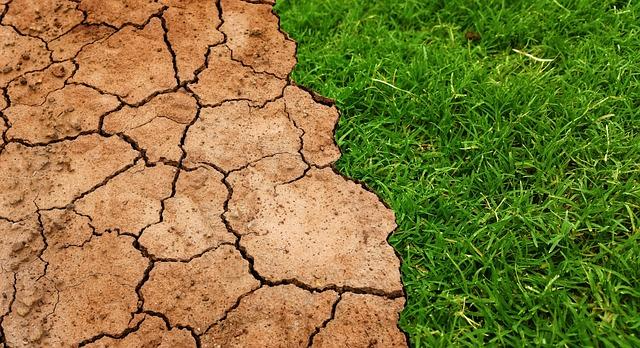
Water stress refers to the situation where the water demand exceeds the available supply, or when poor quality limits its use. In simple terms, water stress occurs when people, industries, or ecosystems lack sufficient usable water to meet their needs.
It is often confused with water scarcity and drought, but the three terms are slightly different.
Water Stress: a situation where the need for water exceeds the available supply.
· Water Scarcity: long-term lack of sufficient water resources.
· Drought: A temporary natural phenomenon of low rainfall leading to reduced water availability.
Understanding these differences helps in recognizing the true scale of the problem.
Causes of Water Stress
Several interconnected factors contribute to water stress:
1. Population Growth and Rising Demand
The world’s population is expected to approach 10 billion by the year 2050.. This growth puts immense pressure on freshwater resources, as more people require drinking water, sanitation, and food production.
2. Climate Change and Changing Rainfall Patterns
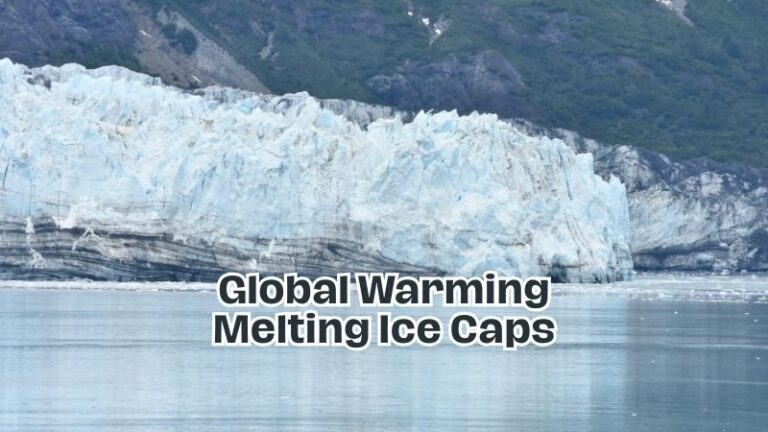
Global warming leads to unpredictable rainfall, melting glaciers, and more frequent droughts. These changes reduce freshwater availability and make water resources less reliable.
3. Industrialization and Agriculture
Agriculture consumes nearly 70% of the world’s freshwater, mainly for irrigation. Unsustainable farming practices and water-intensive industries, like textiles and energy, worsen the stress.
4. Poor Water Management and Infrastructure
In many countries, leaking pipes, pollution, and inefficient water systems waste large amounts of water. Weak governance and a lack of investment in water infrastructure further deepen the crisis.
Effects of Water Stress on the Environment
Water stress doesn’t just affect people it also disrupts the environment.
· Impact on Rivers, Lakes, and Groundwater: Overuse of water depletes aquifers and reduces river flows, causing wetlands and lakes to dry up.
· Loss of Biodiversity: Aquatic species and ecosystems collapse when water levels drop, leading to extinction risks.
· Soil Degradation and Desertification: Lack of water reduces soil fertility, contributing to land degradation and the spread of deserts.
Social and Economic Impacts of Water Stress
Beyond the environment, water stress has serious social and economic consequences:
· Drinking Water Supply Challenges: Communities struggle to access safe drinking water, leading to inequality and hardship.
· Agriculture and Food Security: Farmers face crop failures and livestock losses, making food more expensive and less available.
· Public Health Risks: Lack of clean water increases diseases like cholera, diarrhea, and other waterborne illnesses.
· Economic Losses and Conflicts: Water scarcity can trigger regional disputes, migration, and conflicts over shared rivers and aquifers.
Global Hotspots: Countries Facing the Highest Water Stress
According to the World Resources Institute (WRI), around 25 countries face extremely high water stress, meaning they consume more than 80% of their available supply each year.
· Middle East and North Africa (MENA): Countries like Jordan, Qatar, and Saudi Arabia face severe shortages due to arid climates and high demand.
· South Asia: India and Pakistan face high stress due to large populations, agriculture dependence, and inefficient water management.
· Sub-Saharan Africa: Nations such as Eritrea and Sudan struggle with drought and poor infrastructure.
These regions highlight how water stress is both a global and local problem.
How to Measure Water Stress (Indicators & Data)
Scientists and organizations use specific indicators to measure water stress:
· Water Stress Index (WSI): compares water demand with renewable water supply.
· Falken mark Indicator: measures water availability per person per year. Nations providing under 1,700 cubic meters of water per person each year are classified as experiencing water stress.
· World Resources Institute Aqueduct Tool: tracks global water stress levels and identifies future risks.
These indicators help governments and policymakers design strategies to manage resources better.
Solutions to Reduce Water Stress
Although the challenge is severe, solutions exist at multiple levels:
1. Efficient Irrigation and Sustainable Agriculture
Techniques like drip irrigation and drought-resistant crops reduce water use in farming.
2. Rainwater Harvesting and Groundwater Recharge
Collecting rainwater and replenishing underground aquifers can secure local supplies.
3. Wastewater Recycling and Desalination
Reusing treated wastewater and converting seawater into drinking water through desalination are increasingly popular solutions.
4. Smart Water Management Policies
Governments must invest in infrastructure, reduce leakages, and enforce fair water distribution policies.
5. Role of Individuals
Simple actions such as fixing leaks, reducing water consumption, and using water-efficient appliances contribute significantly to conservation.
Future Outlook: Can We Overcome Global Water Stress?
By 2050, nearly half the world’s population is expected to live in water-stressed regions if current trends continue. However, with innovation, cooperation, and responsible policies, it is possible to reduce stress and secure a sustainable water future. International collaboration, particularly for shared rivers and aquifers, will be essential.
Conclusion: Why Understanding Water Stress Matters
Water stress is more than an environmental issue it is a global crisis affecting health, food, economies, and peace. By understanding what water stress is, its causes, and potential solutions, societies can take action to protect this precious resource. The time to act is now, before water stress becomes an even greater challenge for future generations.
FAQs
1. What is the main cause of water stress?
The primary cause is the imbalance between growing demand and a limited water supply, exacerbated by population growth, climate change, and inadequate management.
2. Which countries are most affected by water stress?
Countries in the Middle East, North Africa, and South Asia such as Jordan, Qatar, Pakistan, and India face the highest stress.
3.What distinguishes water stress from water scarcity?
Water stress refers to the situation where demand exceeds supply, while water scarcity denotes a long-term shortage of available water resources.