
Soil pollution and control is becoming an urgent concern as contaminated land threatens food safety, water quality, and overall environmental health. Rapid industrialization, excessive use of chemical fertilizers, and improper waste disposal are major contributors to this growing problem. Understanding the causes, effects, and practical solutions is essential for sustaining fertile land and safeguarding human health.
This article explores the key sources of soil contamination, its impact on ecosystems and agriculture, and effective strategies for soil restoration and management. By learning how to prevent and control soil degradation, communities can ensure a healthier environment and promote long-term sustainability.
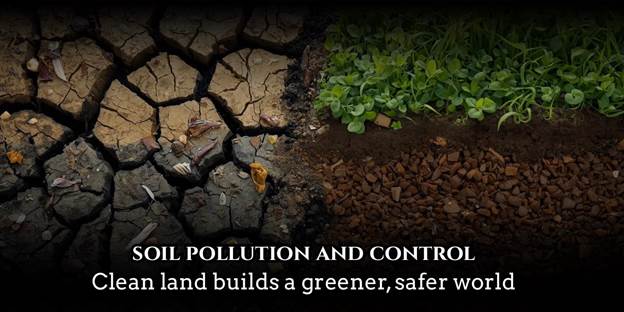
Understanding Soil Pollution and control
Soil pollution and control occurs when harmful substances, including heavy metals, industrial chemicals, and pesticides, accumulate in the earth, affecting its natural quality. Over time, these pollutants degrade soil fertility, harm microorganisms, and disrupt ecosystems. Healthy soil is vital for growing crops, maintaining forests, and supporting life. Unfortunately, uncontrolled urbanization, waste disposal, and chemical-intensive agriculture have accelerated soil contamination worldwide.
Background and History of Soil Pollution and control
Human activities have influenced soil quality for centuries, but industrialization and modern agriculture have intensified the problem. In the 20th century, increased fertilizer use and industrial waste dumping introduced toxic compounds into soils. Early awareness of soil contamination emerged in Europe and North America during the 1960s, highlighting the need for sustainable land management practices. Today, soil pollution is a global concern, with countries actively implementing control measures to preserve land health.
Causes of Soil Pollution and control
Industrial Activities
Industries produce large quantities of chemical waste, heavy metals, and hazardous by-products. Improper disposal of these materials contaminates nearby soil and water sources, posing long-term health risks.
Agricultural Practices
Excessive use of fertilizers, pesticides, and herbicides introduces toxic substances into the soil. Over time, this reduces soil fertility and affects crop quality, threatening food security.
Waste Disposal
Dumping municipal solid waste, plastic waste, and sewage sludge contributes to soil degradation. Contaminants from landfills can seep into the ground, affecting nearby farmland and water supplies.
Urbanization and Construction
Rapid construction leads to soil compaction, erosion, and loss of fertile land. Construction debris often contains chemicals that further pollute the soil.
Effects of Soil Pollution and control
Environmental Impact
Soil contamination disrupts ecosystems by:
• Reducing the population of beneficial microorganisms
• Altering nutrient cycles in the soil
• Contaminating water bodies through runoff
Human Health Risks
Polluted soil can impact human health directly or indirectly by:
• Contaminating crops with toxic metals
• Increasing the risk of respiratory issues through dust exposure
• Affecting groundwater quality, leading to waterborne diseases
Agricultural Consequences
Soil pollution and control reduces crop yield and quality. Nutrient-poor soil affects plant growth, leading to food scarcity and economic losses for farmers.
Importance of Soil Pollution and control
Controlling soil pollution and control ensures:
• Preservation of fertile land for agriculture
• Protection of ecosystems and biodiversity
• Reduction in health risks caused by contaminated crops
• Sustainability for future generations
Methods of Soil Pollution Control
Physical Methods
• Soil replacement: Removing contaminated soil and replacing it with clean soil
• Soil washing: Using water or chemicals to remove pollutants
• Mulching: Covering soil to prevent erosion and contamination
Chemical Methods
• Stabilization: Adding chemicals to reduce pollutant mobility
• Neutralization: Using agents to counteract harmful substances
• Soil fumigation: Eliminating harmful microorganisms and pests
Biological Methods
• Phytoremediation: Using plants like sunflower and mustard to absorb heavy metals
• Bioremediation: Microorganisms break down pollutants naturally
• Composting: Organic matter enhances soil quality and reduces contamination
Preventive Measures
• Reducing chemical fertilizer and pesticide use
• Proper disposal of industrial and municipal waste
• Promoting organic farming and sustainable land management practices
• Raising community awareness on the significance of protecting soil health.
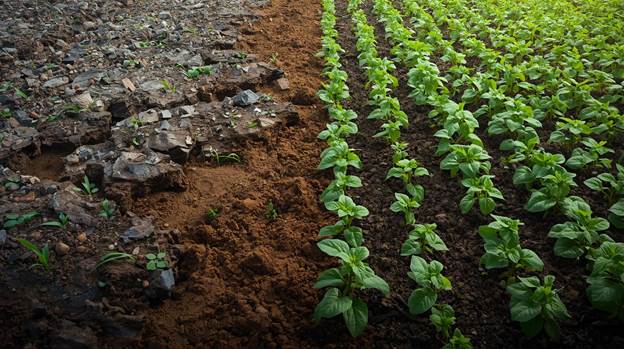
Challenges in Soil Pollution Management
• Lack of awareness and education in rural areas
• High cost of remediation technologies
• Rapid industrialization and urban growth
• Limited monitoring and enforcement of regulations
Examples of Successful Soil Control
• Germany implemented strict industrial waste management, restoring contaminated sites
• India promotes bioremediation for pesticide-polluted farmland
• Urban areas in Japan use soil washing to reclaim land for construction and agriculture
Benefits of Effective Soil Pollution Control
• Increased agricultural productivity
• Reduced environmental and health risks
• Enhanced biodiversity and ecosystem balance
• Responsible management of natural resources to preserve them for future generations
By understanding soil pollution and control,its causes, effects, and effective control methods, communities can protect the land for both human health and environmental sustainability. Proactive measures combined with awareness and technology can turn degraded lands into productive, safe, and fertile areas.
Conclusion
Soil pollution and control play a crucial role in maintaining environmental health and ensuring sustainable land use. By understanding the causes, effects, and effective management strategies, we can protect fertile soil, enhance agricultural productivity, and safeguard human health. Preventive measures, combined with innovative remediation techniques like bioremediation and soil restoration, offer practical solutions for a cleaner, healthier environment. Staying informed and adopting sustainable practices can make a significant difference. Explore further ways to reduce contamination and contribute to long-term land conservation for future generations.