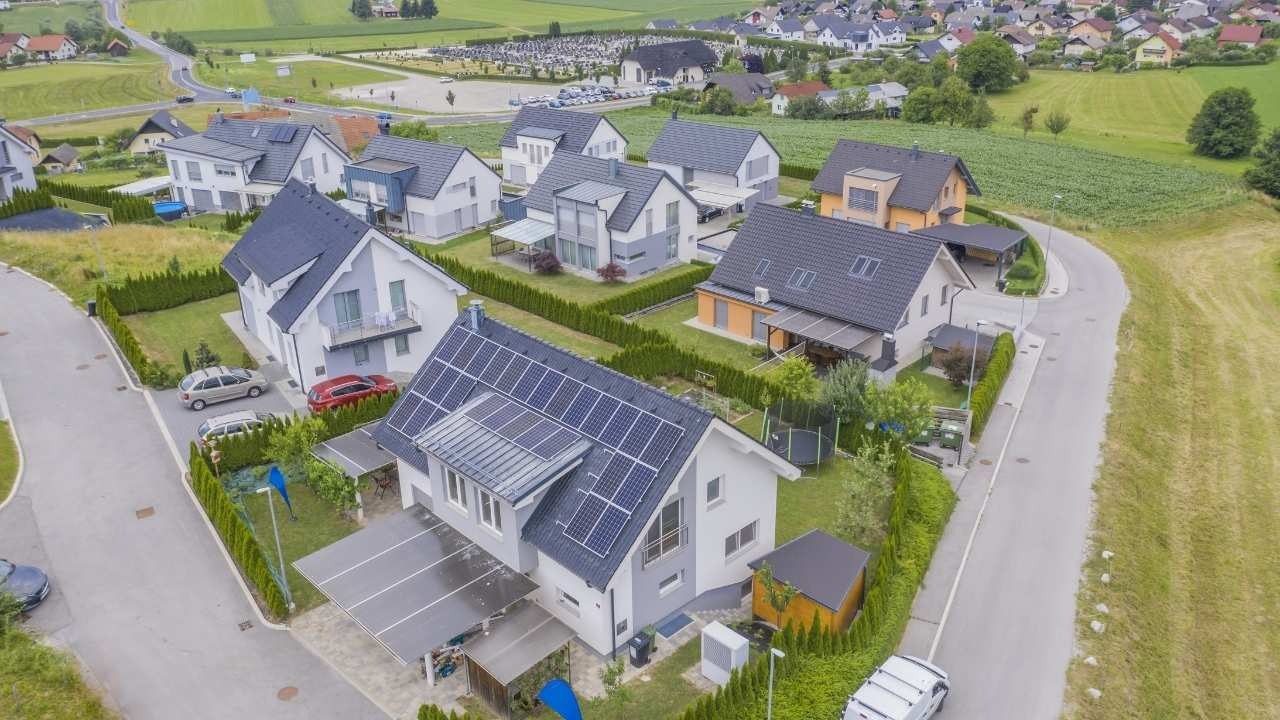
Domestic renewable energy solutions now save the average homeowner between $34,000 and $120,000 over a 25-year system lifespan, according to 2025 marketplace data from EnergySage. That is not a projection. It is what real households are already experiencing across the United States.
Table of Contents
Meanwhile, global renewable capacity additions reached a record 700 GW in 2024 alone, with solar PV accounting for roughly 80 percent of that figure (IEA Global Energy Review 2025). The residential sector is at the center of this transformation.
This guide breaks down exactly how to bring clean energy into your home. You will find real cost numbers, proven technologies, practical installation steps, and emerging trends that are reshaping how families generate and consume electricity worldwide.
What Are Domestic Renewable Energy Solutions?
These are technologies that allow individual households to generate, store, and manage clean energy from natural sources like sunlight, wind, underground heat, and organic biomass. The goal is straightforward: reduce dependence on fossil fuels and centralized power grids while keeping electricity bills under control.
The category includes rooftop solar panels, small residential wind turbines, geothermal heat pump systems, biomass boilers, and home battery storage units. Most modern systems combine two or more of these technologies for maximum efficiency and year-round reliability.
A Brief History of Residential Clean Energy
Residential renewable adoption began gaining meaningful traction during the 1970s oil crisis, when early solar water heaters appeared on rooftops across the American Southwest. Grid-tied photovoltaic panels entered the consumer market in the 1990s, and by the mid-2000s, small wind systems had found a niche in rural and coastal communities.
The real acceleration came after 2010. Between 2010 and 2026, the average cost of a residential solar installation in the United States dropped from approximately $7 per watt to under $3 per watt (Paradise Energy, 2026). Simultaneously, lithium-ion battery prices fell by over 90 percent, making home energy storage practical for the first time.
Why Domestic Renewable Energy Matters More Than Ever
Three converging forces make 2026 a pivotal year for household clean energy adoption.
The Climate Urgency Is Accelerating
Renewables supplied 32 percent of global electricity generation in 2024, up from 29 percent just two years earlier (IEA Global Energy Review 2025). The IEA projects renewables will surpass coal as the single largest electricity source by late 2025 or mid-2026. Every kilowatt-hour your home generates from clean sources is one less pulled from a fossil fuel plant.
Electricity Prices Keep Rising
Household electricity rates in the United States have climbed an average of 3.5 percent annually over the past decade. In states like Hawaii, residents pay over $0.42 per kWh, while the national average hovers near $0.17 per kWh. Solar electricity, by contrast, locks in a cost of roughly $0.06 to $0.08 per kWh over 25 years (NuWatt Energy).
Energy Independence Has Become a Priority
Extreme weather events, aging grid infrastructure, and geopolitical instability have made grid reliability a growing concern. A home equipped with solar panels and battery backup can keep the lights on during outages, insulate the household from rate spikes, and even supply energy back to the neighborhood through emerging virtual power plant programs.
Proven Technologies for Powering Your Home with Clean Energy
Let us look at the four primary technology categories that homeowners are deploying right now, along with real-world performance data.
Rooftop Solar Photovoltaic Systems
Solar PV remains the most popular and cost-effective residential clean energy technology. As of 2026, a typical 10 kW system in the United States costs between $23,500 and $33,500 before state incentives, with prices ranging from $2.35 to $3.35 per watt depending on location (NuWatt Energy).
A well-designed system typically pays for itself within seven to ten years through electricity bill savings alone. After the payback period, homeowners essentially enjoy free electricity for the remaining 15 to 18 years of the system warranty. Recent research also shows that solar-equipped homes sell for approximately 4.1 percent more than comparable properties without panels (Zillow via Modernize).
Small-Scale Residential Wind Turbines
For properties with consistent wind exposure, particularly rural and coastal locations, small wind turbines offer a reliable supplementary energy source. Modern residential turbines are significantly quieter and more efficient than earlier designs, with rated capacities typically ranging from 2 kW to 10 kW.
Wind works best as a complement to solar rather than a standalone solution. The two sources have natural synergy: solar production peaks during clear daytime hours, while wind generation often increases during evenings and stormy periods. Combined, they deliver more consistent energy coverage throughout the year.
Geothermal Heat Pump Systems
Geothermal heat pumps exploit the stable underground temperature (typically 10–16°C year-round) to provide heating in winter and cooling in summer through a single system. Unlike solar and wind, geothermal output is completely weather-independent, making it one of the most reliable residential energy technologies available.
According to the U.S. Department of Energy, geothermal heat pumps can reduce heating costs by 30 to 60 percent and cooling costs by 20 to 50 percent compared to conventional HVAC systems. System lifespans frequently exceed 25 years for indoor components and 50 years for the ground loop.
Biomass and Bioenergy Heating
Biomass boilers and pellet stoves burn organic materials such as wood pellets, agricultural residue, or dedicated energy crops to produce heat. This approach is especially popular in rural regions of Northern Europe and North America where biomass feedstocks are locally abundant.
Beyond heating, biomass offers a waste-reduction benefit: it diverts organic material from landfills and converts it into useful thermal energy. Modern biomass boilers operate at efficiencies above 90 percent and produce minimal particulate emissions when properly maintained.
Home Battery Storage: The Technology That Ties It All Together
No discussion of domestic renewable energy would be complete without addressing storage. The U.S. residential battery market hit a record 2.7 GW of installations in 2025, a 92 percent increase from 2024 (American Clean Power Association, 2026). Globally, the home battery market is projected to reach $15 billion by 2033, growing at a 20 percent annual rate.
Here is how leading residential battery options compare:
| Battery System | Capacity | Est. Cost | Warranty | Best For |
| Tesla Powerwall 3 | 13.5 kWh | $9,200+ | 10 years | Whole-home backup |
| Enphase IQ 5P | 5 kWh (modular) | $5,500+ | 15 years | Scalable systems |
| Franklin WH aPower2 | 13.6 kWh | $10,000+ | 12 years | Off-grid readiness |
| SonnenCore 2 | 10 kWh | $9,500+ | 10 years | Smart grid integration |
The right battery size depends on your daily energy consumption, desired backup duration, and whether you plan to go fully off-grid or remain connected. Most installers recommend starting with enough storage to cover eight to twelve hours of essential loads.
Real Cost Breakdown: What Homeowners Actually Pay in 2026
Understanding true costs requires looking beyond the sticker price. Here is what the numbers look like for a typical residential solar-plus-storage installation in the United States:
System cost (10 kW solar + 13.5 kWh battery): $32,000 to $43,000 before incentives. Solar panels account for only about 12 percent of total system cost. The bulk covers inverters, racking, wiring, labor, and permitting (EnergySage, 2026).
State incentives: Range from $500 in states with minimal programs to over $9,000 in states like Massachusetts and New York. Research your specific state and utility programs through the DSIRE database.
Payback period: Seven to ten years on average nationally. Homeowners in high-electricity-cost states like California and Connecticut often break even in five to seven years.
25-year savings: Between $37,000 and $148,000 depending on local electricity rates, system size, and rate escalation patterns.
Step-by-Step: How to Transition Your Home to Clean Energy
Making the switch does not have to be overwhelming. Follow this practical roadmap:
- Audit your energy consumption. Review 12 months of utility bills to understand your baseline usage, peak demand periods, and seasonal patterns. This data determines your ideal system size.
- Assess your property. Evaluate roof orientation, shading, available yard space, and local wind resources. A certified energy assessor can identify which technologies suit your specific site.
- Research financial incentives. Check federal, state, and local programs. While the U.S. federal residential tax credit expired at the end of 2025, third-party ownership models (leases and PPAs) still qualify for business-side credits, and many states offer their own rebates.
- Get multiple installer quotes. Compare at least three proposals. Look beyond price to evaluate equipment quality, warranty terms, installer certifications, and post-installation monitoring support.
- Plan your storage strategy. Decide whether you need battery backup for critical loads only, whole-home backup, or full off-grid capability. This decision shapes both equipment selection and total budget.
- Install, monitor, and optimize. After installation, use smart energy management apps to track production and consumption in real time. Adjust usage patterns to maximize self-consumption and minimize grid draw.
Honest Challenges You Should Know About
Switching to clean energy comes with real obstacles that deserve honest discussion.
Upfront Investment Remains Significant
A complete solar-plus-battery system can cost $30,000 to $45,000 before incentives. While financing options like solar loans, leases, and power purchase agreements can eliminate out-of-pocket costs, they often add 30 to 47 percent to total lifetime expenses through interest and fees.
Not Every Property Is a Good Fit
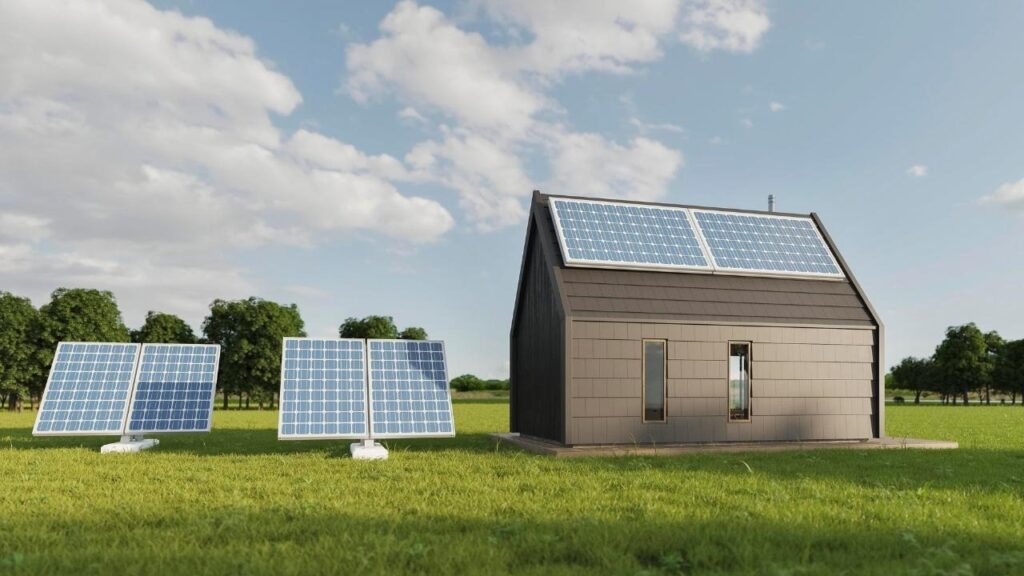
Homes with heavy roof shading, north-facing orientations, or limited outdoor space may not be ideal candidates for solar or wind. Renters and apartment dwellers face additional barriers, though community solar programs are beginning to address this gap.
Weather Dependence and Intermittency
Solar output drops on cloudy days, and wind generation fluctuates with weather patterns. Battery storage mitigates this, but sizing your storage correctly is critical. Undersized batteries leave gaps; oversized ones waste money.
Policy Uncertainty
The expiration of the U.S. federal residential solar tax credit at the end of 2025 reshaped the financial equation for American homeowners. State-level incentives vary widely and can change with political cycles. Staying current on local policy is essential for accurate financial planning.
Emerging Trends Shaping the Future of Residential Clean Energy
The domestic renewable energy landscape is evolving rapidly. Several developments are poised to reshape household energy within the next three to five years.
AI-Powered Home Energy Management
Smart systems now use artificial intelligence to predict household consumption patterns, optimize battery charging and discharging cycles, and automatically shift high-draw activities to peak solar production hours. Companies like EcoFlow launched AI-coordinated battery systems in 2025 that synchronize multiple storage units and third-party devices seamlessly.
Next-Generation Battery Chemistry
Sodium-ion and solid-state batteries are entering pilot production. These technologies promise higher capacity, improved safety, faster charging, and lower costs by reducing reliance on scarce materials like lithium and cobalt. Lithium iron phosphate (LFP) batteries already dominate the residential market with over 87 percent market share, and costs continue to fall.
Vehicle-to-Home (V2H) Systems
Electric vehicles are becoming mobile energy storage units. V2H-capable vehicles from Ford, Hyundai, and others can now discharge stored energy back into the home during outages or peak pricing periods, effectively turning your car into a backup generator.
Building-Integrated Photovoltaics
Solar roof tiles, transparent solar windows, and solar facade panels are moving from laboratory prototypes toward commercial availability. These products generate electricity without requiring traditional panel installations, opening up clean energy access for properties where conventional rooftop arrays are impractical.
Community Microgrids and Virtual Power Plants
Neighborhoods are beginning to share renewable energy through localized microgrids. More than 150,000 homes globally now participate in virtual power plant programs where aggregated home batteries collectively stabilize the grid and earn revenue for their owners.
Final Thoughts: Your Home Energy Future Starts Today
The data is clear. Domestic renewable energy solutions deliver measurable financial savings, meaningful environmental impact, and genuine energy independence for homeowners who take the time to plan and invest wisely. Global renewable capacity is doubling. Battery technology is advancing rapidly. And the economics already favor clean energy in most markets.
Start by auditing your energy use, researching local incentives, and collecting multiple installer quotes. The transition does not happen overnight, but every step toward clean household power is a step toward lower bills, greater resilience, and a healthier planet.
How much do domestic renewable energy solutions actually cost in 2026?
A standard 10 kW residential solar system costs between $23,500 and $33,500 before state incentives. Adding a 13.5 kWh battery adds roughly $9,000 to $12,000. Total costs for a complete solar-plus-storage setup range from $32,000 to $45,000 depending on location and equipment choices.
Is solar still worth it without the federal tax credit?
Yes. Solar electricity costs approximately $0.06 to $0.08 per kWh over 25 years, compared to utility rates of $0.14 to $0.30 per kWh in most states. Even without federal credits, solar locks in your electricity cost and delivers positive return on investment in every major market.
How long does a residential solar system last?
Most solar panels carry 25 to 30 year performance warranties and continue producing electricity well beyond that. Inverters typically last 12 to 15 years and may need replacement once during the panel lifespan. Battery systems generally carry 10 to 15 year warranties.
Can I power my entire home with renewable energy?
In most cases, yes. A properly sized solar-plus-battery system can cover 80 to 100 percent of a typical household’s electricity needs. Factors like local sunlight hours, roof space, and energy consumption habits determine whether you achieve full or partial energy independence.
Do solar panels increase home value?
Research indicates solar-equipped homes sell for approximately 4.1 percent more than comparable homes without panels, translating to an average value increase of roughly $9,274. Buyers are attracted to lower operating costs and built-in sustainability features.
What is the best renewable energy option for apartments or renters?
Community solar programs allow renters and apartment dwellers to subscribe to a shared solar array and receive credits on their electricity bills without installing anything on their own property. Portable solar generators and balcony solar kits are also growing in popularity.