
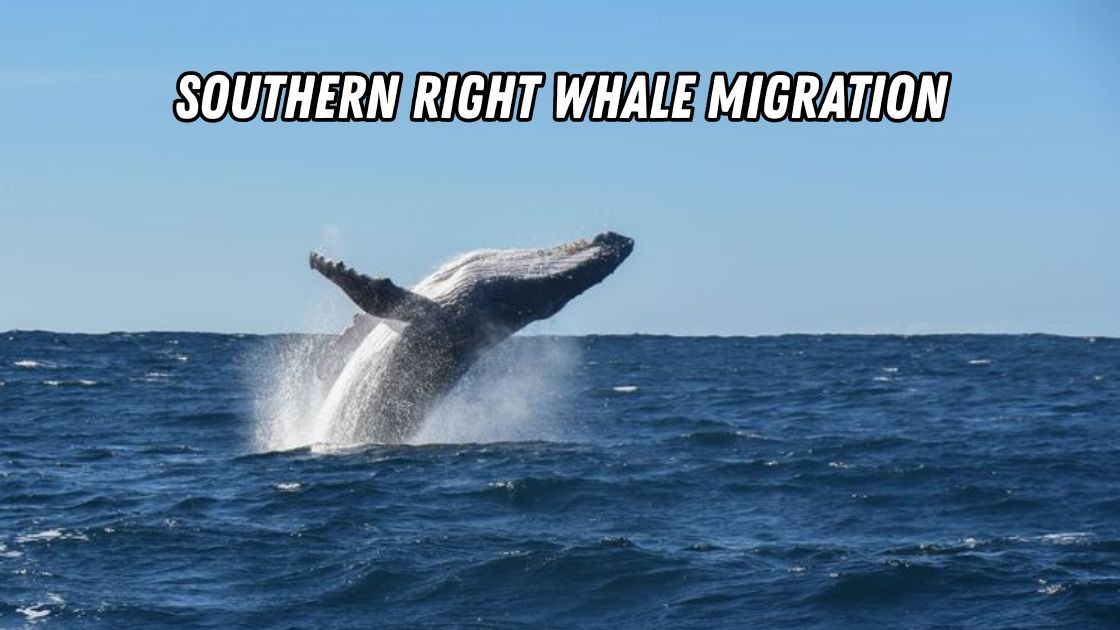
The southern right whale migration represents one of nature’s most extraordinary journeys, spanning over 6,000 kilometers between Antarctic feeding grounds and warm coastal breeding waters. Having spent years following these magnificent marine mammals across oceans, I’ve witnessed firsthand how these gentle giants navigate their ancient pathways with remarkable precision.
These baleen whales travel from the frigid Southern Ocean near Antarctica to the temperate coastlines of South Africa, Australia, Argentina, and New Zealand each winter. Their whale calving grounds along protected shorelines have become vital sanctuaries where mothers nurse newborn calves before undertaking the long return journey.
In this article, I’ll share my observations on cetacean movement patterns, the conservation challenges these endangered whales face, and how climate change is reshaping their traditional routes. Whether you’re a marine biology enthusiast or simply curious about ocean wildlife, you’ll discover why protecting these whale watching destinations matters now more than ever.
Understanding the Southern Right Whale Migration Phenomenon
The southern right whale migration is a seasonal movement pattern that occurs annually across the Southern Hemisphere. These massive baleen whales spend their summers feeding in nutrient rich waters near Antarctica, consuming vast quantities of krill and copepods. When winter approaches, they embark on an incredible journey northward to warmer coastal regions for breeding and calving.
Unlike many whale species, southern right whales prefer shallow coastal waters during their breeding season. This behavior made them historically vulnerable to hunting, as whalers considered them the “right” whale to catch. Today, this same coastal preference makes them accessible for scientific research and responsible whale watching tourism.
Why Do Southern Right Whales Migrate
The primary driver behind southern right whale migration is reproduction. Cold Antarctic waters provide abundant food sources but are too harsh for newborn calves that lack sufficient blubber for insulation. Pregnant females travel to protected bays and coastlines where calm, warm waters create ideal conditions for giving birth and nursing their young.
The Role of Temperature in Migration Timing
Water temperature plays a crucial role in determining when these cetaceans begin their journey. As Antarctic waters cool in autumn, whales sense the environmental shift and start moving toward their traditional calving grounds. Research from the University of Western Australia has tracked individuals traveling the same routes year after year, demonstrating remarkable navigational memory.
Major Southern Right Whale Migration Routes
Scientists have identified several distinct populations with unique southern right whale migration pathways. Each group maintains strong fidelity to specific feeding and breeding locations, rarely intermingling with whales from other regions.
South African Population Routes
The South African population migrates from sub Antarctic feeding areas to the Western Cape coastline. Hermanus has become world famous as a whale watching destination, with over 100 whales visiting Walker Bay annually between June and October. These whales travel along predictable corridors, making conservation planning more effective.
Australian Population Pathways
Australian southern right whales follow routes stretching over 6,000 kilometers from Antarctica to calving grounds along the southern coastline. The Head of the Bight in South Australia serves as a critical nursery area where females gather to give birth. Recent satellite tracking of a whale named Nebinyan revealed these animals sometimes use the Subtropical Front and even travel to French Subantarctic Islands.
Key Characteristics of Southern Right Whale Migration
Understanding the defining features of this annual journey helps researchers protect these endangered marine mammals more effectively.
- Migration distances typically range between 3,000 and 6,000 kilometers each way
- Pregnant females often lead the migration, arriving first at calving grounds
- Males and non breeding females may linger longer in feeding areas before traveling
- Calves remain with mothers throughout their first year including the return migration
- Whales fast or eat minimally during the breeding season, relying on stored blubber
Conservation Challenges Affecting Migration Success
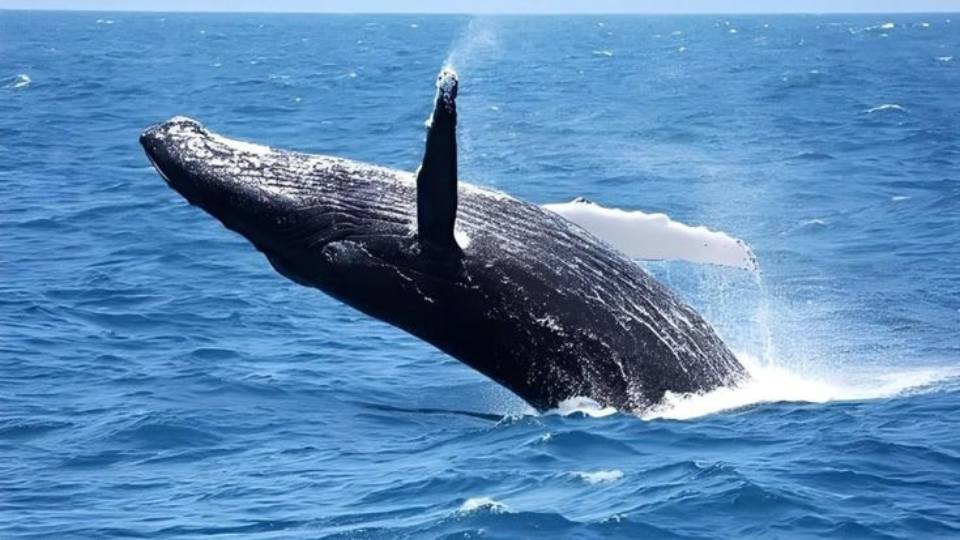
The southern right whale migration faces mounting pressures from human activities and environmental changes. Climate change is altering ocean temperatures and affecting krill populations in Antarctic feeding grounds. A University of Pretoria study found that breeding females visiting South Africa are now 25 percent lighter than they were 30 years ago.
Threats During the Migratory Journey
Vessel strikes pose significant dangers as whales travel through busy shipping lanes. Entanglement in fishing gear remains another serious concern, particularly in coastal areas where migration routes overlap with commercial fishing operations. Noise pollution from maritime traffic can disrupt communication between mothers and calves during vulnerable nursing periods.
Best Locations to Observe Southern Right Whale Migration
Several destinations offer exceptional opportunities to witness this natural spectacle responsibly.
- Hermanus, South Africa offers land based viewing from June through October
- Peninsula Valdes, Argentina hosts thousands of whales between May and December
- Head of the Bight, Australia provides cliff top viewing platforms from May to October
- Warrnambool, Victoria welcomes whales to Logan’s Beach nursery annually
- Kaikoura, New Zealand occasionally hosts migrating individuals during winter months
The Future of Southern Right Whale Populations
Despite historical decimation from whaling, southern right whale migration continues today thanks to international protection established in 1937. Global populations have recovered to approximately 13,600 individuals, growing at an estimated seven percent annually. However, continued monitoring through photo identification programs and satellite telemetry remains essential for ensuring these magnificent creatures thrive for generations to come.
Conclusion
The southern right whale migration stands as one of nature’s most remarkable journeys, connecting Antarctic feeding grounds with warm coastal nurseries across South Africa, Australia, and Argentina. These incredible cetaceans have demonstrated resilience despite centuries of hunting pressure, with populations now recovering under international protection.
Understanding their migratory patterns, calving behaviors, and the conservation challenges they face remains essential for ensuring their continued survival. Climate change, vessel strikes, and fishing gear entanglement threaten these gentle giants during their annual voyage.
By supporting marine conservation efforts and practicing responsible whale watching, we can help protect southern right whale migration routes for future generations. These magnificent baleen whales deserve our continued attention and dedicated protection as they navigate their ancient ocean pathways.