
There is something enchanting about a summer night lit up by firefly lights. These tiny glowing insects, often called lightning bugs, have fascinated people for centuries with their natural sparkle. The glow of fireflies is not only mesmerizing but also a result of a scientific process known as bioluminescence. From folklore to modern science, firefly lights have inspired stories, research, and even innovations.
Table of Contents
This article explores the origin, biology, benefits, challenges, and symbolic value of firefly lights, helping us appreciate why these small creatures are so extraordinary.
What Are Firefly Lights?
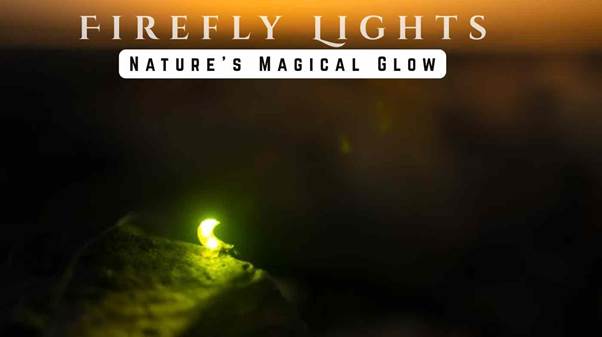
Firefly lights are produced by beetles belonging to the Lampyridae family. These insects create light through a chemical reaction in their abdomen involving luciferin, oxygen, and enzymes. Unlike artificial light, firefly lights are cool and energy-efficient, giving off no heat. This unique natural glow has been a subject of scientific wonder and cultural admiration worldwide.
The Science Behind Firefly Lights (Background and History)
For centuries, humans have been fascinated by fireflies. Ancient civilizations considered them symbols of love, hope, and guidance. Modern research reveals that firefly lights result from bioluminescence, where light is produced without burning energy as heat. This efficient system has even inspired scientists to explore new sustainable lighting technologies.
The Importance of Firefly Lights in Nature
Firefly lights play multiple roles in the ecosystem:
- Communication: Fireflies use flashes of light to attract mates, with each species having unique patterns.
- Predator Deterrence: Their glow can serve as a warning to predators about their unpleasant taste.
- Ecosystem Balance: Fireflies feed on smaller insects, helping control pest populations.
By lighting up the night, they silently contribute to ecological harmony.
The Benefits of Firefly Lights to Humans
Although tiny, fireflies have brought big benefits to human life:
- Inspiration in Culture: Poets, writers, and artists often use firefly lights as metaphors for hope and fleeting beauty.
- Medical Research: Luciferin, the chemical behind their glow, has been used in medical testing for detecting cell activity.
- Eco-friendly Lighting Inspiration: Their cold light has inspired sustainable lighting research.
- Tourism and Aesthetics: Firefly watching has become a popular eco-tourism activity across Asia and the Americas.
Real-World Examples of Firefly Lights
- Japan’s Festivals: In Japan, summer firefly viewing, known as Hotaru-gari, is a beloved tradition.
- Synchronous Fireflies in Tennessee: Thousands of fireflies flash in unison, attracting global tourists every year.
- Biotechnology Innovations: Scientists have incorporated luciferase genes in research to track diseases and study genetic activity.
These examples show how firefly lights extend beyond beauty into science and culture.
Challenges Facing Firefly Lights Today
Sadly, fireflies and their natural glow face several challenges:
- Habitat Loss: Urbanization and deforestation reduce the natural habitats of fireflies.
- Light Pollution: Artificial streetlights interfere with their flashing signals, affecting mating patterns.
- Climate Change: Temperature and humidity shifts impact firefly reproduction cycles.
- Pesticide Use: Chemicals destroy both fireflies and their prey, leading to population decline.
If not addressed, these issues may dim the magical glow of firefly lights forever.
Conservation of Firefly Lights
To preserve firefly populations, conservation efforts are essential:
- Protect wetlands, forests, and grasslands where fireflies thrive
- Reduce artificial lighting in rural and semi-urban areas
- Support eco-tourism initiatives that fund firefly conservation
- Educate communities about the ecological importance of fireflies
Saving fireflies is not just about keeping the night beautiful it is about maintaining biodiversity.
Symbolism of Firefly Lights in Human Life
Firefly lights often symbolize hope, mystery, and resilience. Their brief but bright glow is a reminder that beauty can be fleeting but impactful. Across cultures, they have been seen as spiritual guides, signs of good luck, or symbols of summer romance. This cultural richness adds another layer of value to their existence.
Conclusion
Firefly lights are more than glowing insects they are natural wonders that embody beauty, science, and cultural meaning. From their role in ecosystems to their inspiration in art and technology, fireflies continue to enchant humanity. Yet, the challenges they face remind us of our responsibility to protect them. By conserving habitats and reducing light pollution, we can ensure that future generations will still marvel at the magic of firefly lights on warm summer nights. To learn more, explore firefly conservation projects and be part of preserving their glow.
Q1: What causes firefly lights to glow at night?
Firefly lights are produced by a chemical reaction called bioluminescence, where luciferin reacts with oxygen in their bodies to create a natural glow.
Q2: Why are firefly lights important in nature?
Firefly lights play a vital role in mating signals, help maintain ecological balance, and serve as natural indicators of a healthy environment.
Q3: Are firefly lights disappearing?
Yes, firefly lights are declining due to light pollution, habitat loss, and pesticides, making conservation efforts essential to protect these glowing insects.