The aerobic treatment process plays a vital role in transforming polluted water into a cleaner and safer form before it returns to the environment. Using natural microorganisms that thrive in the presence of oxygen, this process efficiently breaks down organic waste and reduces harmful contaminants. As a sustainable approach, it supports both environmental protection and public health.
This article explores how the system works, its essential components, and the advantages it offers over conventional methods. You’ll also learn how biological oxidation, activated sludge, and wastewater management techniques combine to ensure effective purification. By understanding these fundamentals, industries and communities can adopt cleaner, more eco-friendly solutions for treating wastewater efficiently.
Understanding the Aerobic Treatment Process
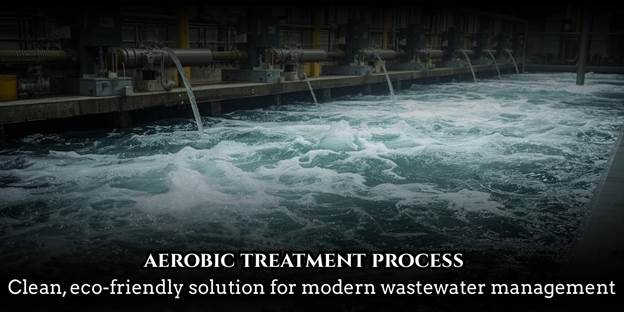
The aerobic treatment process is a biological method used for purifying wastewater by utilizing microorganisms that need oxygen to survive. These microbes break down organic matter, converting harmful pollutants into simpler, harmless compounds such as carbon dioxide, water, and biomass. This system is widely used in municipal and industrial wastewater management due to its efficiency and environmentally friendly nature.
Definition and Basic Working Principle
In simple terms, the aerobic treatment process uses aeration to provide oxygen to bacteria that decompose organic waste. When oxygen is supplied, the microorganisms feed on the waste, resulting in cleaner water. This method can be implemented through different systems such as activated sludge, trickling filters, and oxidation ponds.
Key Steps in the Process
- Preliminary treatment – Removal of large debris like plastics, rags, and grit.
- Aeration phase – Air is pumped into tanks to encourage bacterial activity.
- Sedimentation – Treated water is separated from sludge.
- Disinfection – Chlorine or UV light kills remaining pathogens.
Each step contributes to the high-quality treatment of wastewater and ensures environmental safety.
Historical Background and Development
The aerobic treatment process has evolved over time as scientists sought more effective and sustainable ways to manage waste. Early sewage treatment in the 19th century primarily relied on natural decomposition and anaerobic digestion, which lacked speed and efficiency.
By the early 20th century, the development of the activated sludge process revolutionized wastewater purification. Researchers like Ardern and Lockett discovered that reusing biological sludge could enhance microbial activity and accelerate treatment. This marked the beginning of modern biological wastewater treatment techniques that now form the backbone of urban sanitation systems.
Importance of the Aerobic Treatment Process
The significance of this process lies in its ability to protect water bodies from pollution and support environmental sustainability. Without proper treatment, wastewater can contaminate rivers, lakes, and groundwater, endangering both human and aquatic life.
Environmental Importance
- Prevents the buildup of toxic compounds in natural water sources.
- Reduces biochemical oxygen demand (BOD) and chemical oxygen demand (COD) levels.
- Supports ecosystem balance by removing harmful nutrients like nitrogen and phosphorus.
Public Health Importance
- Eliminates disease-causing microorganisms.
- Ensures safe reuse of water for irrigation and industrial applications.
- Minimizes unpleasant odors associated with untreated sewage.
Benefits of the Aerobic Treatment Process
The process offers several advantages, making it a preferred choice over other wastewater treatment methods.
1. High Efficiency in Pollutant Removal
The system achieves a high rate of organic waste degradation, producing clear, odor-free effluent suitable for reuse.
2. Environmentally Friendly
Unlike chemical treatments, this method depends on natural biological oxidation, which minimizes harmful residues.
3. Reduced Sludge Production
While some sludge is produced, it is much less compared to anaerobic systems and can be easily treated or reused as fertilizer.
4. Cost-Effectiveness
Modern aeration systems consume less energy and require minimal maintenance, reducing operational costs over time.
5. Adaptability
The process can be scaled for both small and large operations, from residential wastewater systems to industrial plants.
Challenges and Limitations
Despite its benefits, the aerobic treatment process faces several challenges that must be managed effectively.
Common Challenges
- Energy consumption – Continuous aeration requires power, making it costly in some regions.
- Sludge management – Although reduced, the disposal of biological sludge still needs proper handling.
- Operational complexity – Requires skilled operators for monitoring and maintenance.
- Temperature sensitivity – Microbial activity decreases in extremely cold climates.
Overcoming the Challenges
- Use of renewable energy sources like solar power for aeration.
- Implementation of automated monitoring systems to optimize performance.
- Adoption of hybrid systems that combine aerobic and anaerobic stages for efficiency.
Real-World Applications and Examples
The aerobic treatment process is widely implemented across different sectors due to its reliability.
Municipal Applications
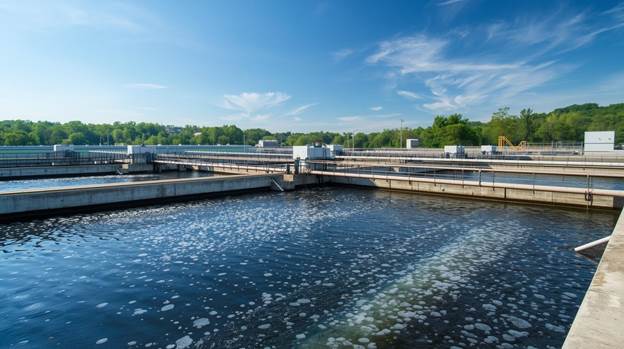
- City sewage treatment plants use activated sludge systems for large-scale purification.
- Oxidation ditches are used in suburban and rural communities for low-cost treatment.
Industrial Applications
Industries such as food processing, paper manufacturing, and textiles use the process to treat organic-rich effluents before discharge.
Domestic and Small-Scale Applications
- Home aerobic treatment units (ATUs) are becoming popular in rural areas lacking centralized sewage systems.
- These units provide clean water that can be reused for landscaping or irrigation.
Future Prospects
The future of the aerobic treatment process looks promising as technology continues to advance. With increasing emphasis on sustainable wastewater management, new innovations such as membrane bioreactors (MBRs) and biofilm reactors are enhancing treatment efficiency. Smart sensors and AI-based control systems are also making these systems more energy-efficient and easier to manage.
As environmental regulations become stricter, both industries and communities are turning toward eco-friendly methods like aerobic treatment to ensure cleaner water and a healthier planet.
Conclusion
The aerobic treatment process plays a vital role in achieving clean and sustainable wastewater management. By using oxygen-loving microorganisms, it effectively removes organic pollutants and improves water quality for safe reuse. Its eco-friendly nature, efficiency, and adaptability make it a preferred choice for both urban and rural systems. As technology continues to advance, the process will become even more energy-efficient and accessible. To ensure a cleaner environment, communities and industries should explore and invest in modern aerobic wastewater treatment solutions for a healthier future.