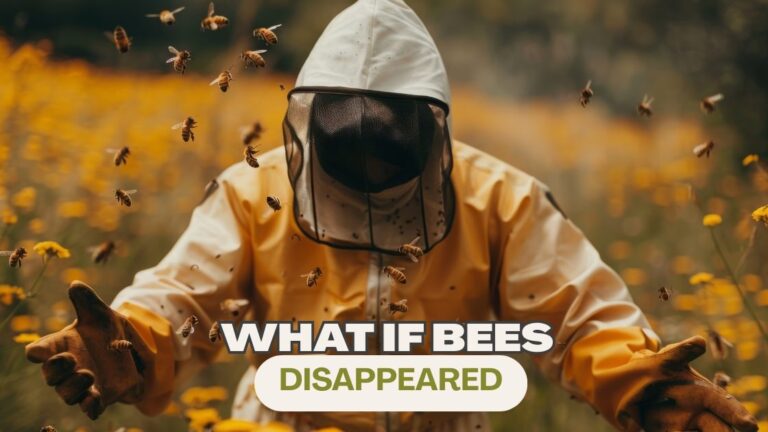
Growing bee friendly vegetables in your garden is one of the most powerful and rewarding actions any individual can take to combat the devastating global pollinator decline threatening agricultural systems and natural ecosystems worldwide. Every vegetable garden that welcomes bees creates a vital feeding station providing essential nectar and pollen resources that sustain colonies struggling to survive against pesticides, habitat loss, and climate disruption. The beauty of this approach lies in its simplicity because protecting pollinators and producing fresh organic food happen simultaneously.
This thoroughly researched article promotes bee friendly vegetables through advanced organic gardening practices examining pollinator attracting crop selection, companion planting strategies, pesticide free cultivation methods, and the critical connection between sustainable vegetable gardening and native bee habitat restoration across residential and community growing spaces.
Understanding the importance of bee friendly vegetables is essential for anyone passionate about organic food production, environmental conservation, and contributing meaningfully to pollinator recovery efforts within their own backyard.
By completing this comprehensive guide, you will discover exactly which bee friendly vegetables maximize pollinator support and learn scientifically validated cultivation techniques that transform ordinary gardens into thriving sanctuaries where both food production and critical pollinator recovery flourish naturally together.
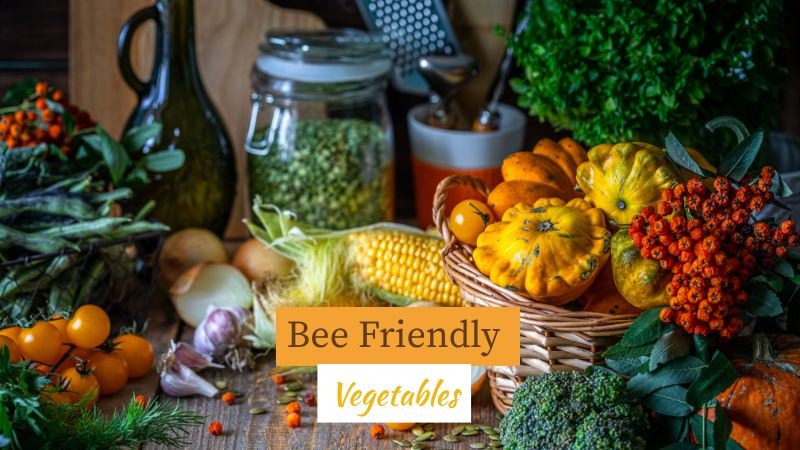
Understanding Why Certain Vegetables Attract and Support Bee Populations
The concept of bee friendly vegetables refers to edible crops that produce abundant flowers generating significant quantities of nectar and pollen that attract, nourish, and sustain bee populations throughout their active foraging seasons. Unlike ornamental flowers grown purely for aesthetic purposes, these vegetables serve dual functions by simultaneously providing fresh organic produce for human consumption while delivering essential nutritional resources that bees require for colony survival and reproductive success.
Not all vegetables attract bees equally. Plants within the cucurbit, legume, and brassica families produce particularly attractive blossoms that bees visit repeatedly throughout flowering periods. Understanding which crops qualify as bee friendly vegetables requires recognizing that the most effective pollinator attracting crop selection involves choosing varieties that bloom prolifically, produce high quality nectar with appropriate sugar concentrations, and flower during periods when alternative forage sources are scarce in surrounding landscapes.
Historical Relationship Between Vegetable Cultivation and Pollinators
The relationship between food crop cultivation and bee pollination stretches back approximately ten thousand years to the origins of organized agriculture in the Fertile Crescent. Early farmers unknowingly benefited from wild bee populations that pollinated their crops while simultaneously receiving sustenance from agricultural flower resources. This mutually beneficial relationship sustained both human food production and pollinator populations for millennia without deliberate management.
However, the industrialization of agriculture during the twentieth century disrupted this ancient partnership through widespread pesticide deployment, monoculture expansion, and habitat elimination that decimated wild bee populations across farming landscapes worldwide. Modern interest in bee friendly vegetables represents a conscious effort to restore this foundational ecological relationship through pesticide free cultivation methods that prioritize pollinator health alongside crop productivity within sustainable gardening frameworks accessible to growers of every experience level.
Top Pollinator Attracting Vegetable Crops for Every Garden
Selecting the right bee vegetables transforms any growing space into a productive pollinator sanctuary that supports both human nutrition and native bee habitat restoration simultaneously. Squash, pumpkins, and zucchini produce some of the largest and most nectar rich flowers in any vegetable garden, attracting numerous bee species from early morning through midday when blooms remain fully open.
Tomatoes offer unique value as friendly vegetables because their flowers require specialized buzz pollination that only certain native bumblebee species can perform effectively. Growing tomatoes alongside other pollinators attracting crop selection choices creates diverse foraging opportunities that support multiple bee species with differing floral preferences and tongue lengths adapted to various flower morphologies.
Legumes and Brassicas as Essential Pollinator Resources
Runner beans, broad beans, and peas produce abundant flowering displays that provide excellent forage for both honeybees and native solitary bee species throughout spring and summer growing seasons. These legumes offer additional ecological benefits through nitrogen fixation that enriches soil fertility naturally without synthetic fertilizer inputs that can contaminate groundwater resources feeding surrounding pollinator habitats.
Brassica family vegetables including broccoli, kale, and Brussels sprouts become extraordinary friendly vegetables when gardeners allow a portion of their crop to bolt and produce the clusters of small yellow flowers that bees find irresistibly attractive. This companion planting strategies approach of deliberately permitting some plants to flower rather than harvesting every head maximizes the dual benefit of food production and pollinator support within limited garden spaces available to most residential growers.
Companion Planting Strategies That Maximize Pollinator Visits
Strategic companion planting strategies dramatically increase the effectiveness of bee vegetables by creating diverse floral landscapes that attract pollinators across extended seasonal windows. Interplanting vegetables with herb companions including basil, oregano, thyme, and cilantro adds supplementary nectar sources that sustain bee visitation throughout periods between main crop flowering events.
Research demonstrates that gardens incorporating companion planting strategies alongside friendly vegetables experience significantly higher pollination rates resulting in improved fruit set, larger harvest yields, and superior produce quality compared to isolated vegetable plantings lacking pollinator attracting diversity. Sunflowers planted along garden borders serve as powerful beacon plants that draw bees from considerable distances into growing areas where they subsequently discover and pollinate surrounding vegetable crops.
Seasonal Succession Planting for Continuous Bee Support
One of the most effective approaches for maximizing bee vegetables impact involves designing planting schedules that ensure continuous bloom availability from early spring through late autumn. Many gardeners inadvertently create forage gaps during midsummer when spring flowering crops have finished and autumn varieties have not yet begun blooming, leaving bees without adequate nutrition during critical colony building periods.
Succession planting bee vegetables including sequential sowings of squash, beans, and cucumber varieties at two week intervals maintains uninterrupted floral resources throughout the entire growing season. This approach transforms vegetable gardens into reliable native bee habitat restoration stations where pollinators can depend on consistent food availability rather than experiencing the feast and famine cycles common in landscapes dominated by simultaneously blooming monocultures.
Critical Challenges Facing Bee Friendly Gardening Practices
Despite growing enthusiasm for pollinator supportive food production, gardeners cultivating bee friendly vegetables face several practical obstacles that require informed solutions to overcome effectively.
- Neighboring properties using conventional pesticide applications can contaminate organic gardens through spray drift and groundwater movement, undermining pesticide free cultivation methods practiced by conscientious pollinator supportive growers
- Limited growing space in urban environments restricts the diversity of bee friendly vegetables that apartment and townhouse residents can cultivate even when motivation and knowledge are abundant
- Commercially available vegetable seeds increasingly represent hybrid varieties bred for shipping durability and shelf appearance rather than pollinator attracting crop selection qualities including nectar production and floral accessibility
- Climate change is shifting traditional planting calendars and disrupting synchronization between bee activity periods and vegetable flowering times across many established growing regions
- Inadequate public education about which specific vegetables provide meaningful pollinator support leads many well intentioned gardeners to invest effort in crops offering minimal actual benefit for declining bee populations
These challenges highlight why evidence based guidance on cultivating bee friendly vegetables remains critically important for translating conservation intentions into measurable pollinator recovery outcomes.
Real World Examples of Successful Pollinator Vegetable Gardens
The community garden network in Portland, Oregon demonstrates how bee friendly vegetables cultivation at neighborhood scale creates measurable improvements in local pollinator populations. Researchers monitoring these gardens documented a forty percent increase in native bee species diversity within surrounding areas after three consecutive growing seasons of deliberate pollinator supportive vegetable production incorporating companion planting strategies throughout shared growing spaces.
Container Gardening Solutions for Urban Pollinator Support
Urban residents lacking traditional garden plots can still cultivate meaningful quantities of bee friendly vegetables using container gardening techniques adapted for balconies, rooftops, and windowsills. Cherry tomatoes, dwarf bean varieties, compact squash cultivars, and flowering herbs thrive in large containers while producing sufficient blooms to attract and nourish local bee populations navigating urban landscapes where natural forage sources remain desperately scarce.
Research confirms that even small scale container plantings of bee friendly vegetables contribute measurably to urban pollinator corridor networks when multiple households within neighborhoods participate simultaneously. This collective approach demonstrates that pesticide free cultivation methods practiced at individual household level can aggregate into community wide native bee habitat restoration outcomes that benefit entire urban ecosystems significantly.
Why Growing Pollinator Supportive Vegetables Matters for Everyone
Cultivating bee friendly vegetables serves purposes extending far beyond personal food production into critical contributions toward reversing the global pollinator decline threatening agricultural stability worldwide. Every garden that incorporates pollinator attracting crop selection creates a feeding station within increasingly fragmented landscapes where bees struggle to locate adequate nutritional resources between diminishing natural habitat patches.
Conclusion
The comprehensive horticultural evidence explored throughout this article confirms that bee friendly vegetables represent one of the most accessible and impactful actions any individual can take toward reversing the devastating global pollinator decline threatening agricultural systems worldwide. From nectar rich squash blossoms attracting diverse bee species to buzz pollinated tomatoes supporting native bumblebee populations, every pollinator attracting crop selection choice creates meaningful ecological impact within gardens of any size.
Companion planting strategies, seasonal succession techniques, and pesticide free cultivation methods collectively transform ordinary growing spaces into thriving sanctuaries where food production and native bee habitat restoration flourish simultaneously. Portland’s community gardens and the Royal Horticultural Society’s research demonstrate that measurable pollinator recovery outcomes are genuinely achievable through informed vegetable cultivation practices.
Understanding bee friendly vegetables empowers everyone to contribute meaningfully to pollinator protection. Supporting organic seed networks, advocating for pesticide restrictions, and sharing knowledge within communities represent essential steps. Growing bee friendly vegetables requires minimal investment yet delivers extraordinary ecological returns because protecting pollinators through sustainable gardening ultimately means safeguarding the agricultural foundation sustaining human civilization for generations ahead.