The boto dolphin, also known as the Amazon river dolphin, is one of the most fascinating and mysterious creatures found in South America’s waterways. Famous for its unique pinkish hue, the boto dolphin has captivated scientists, locals, and travelers alike. Unlike the dolphins most people are familiar with in oceans, the boto dolphin thrives in freshwater rivers, particularly in the Amazon and Orinoco basins.
In this article, we’ll explore the world of the boto dolphin.its history, cultural significance, ecological role, and the challenges it faces. You’ll also discover why this remarkable mammal is not just a biological wonder but also an important symbol of the Amazon’s fragile ecosystem.
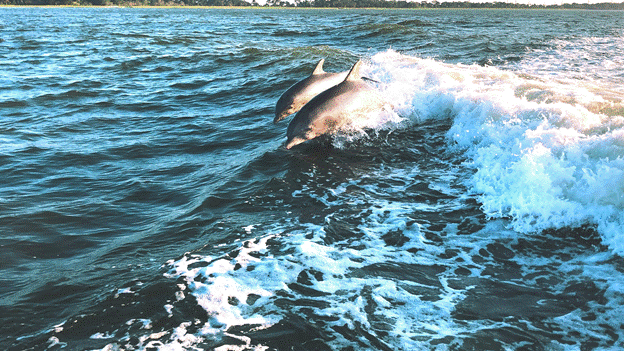
What Is a Boto Dolphin?
The boto dolphin (Inia geoffrensis) is a freshwater dolphin species native to South America. Unlike marine dolphins, it has adapted to rivers and floodplains. Its most distinctive feature is its color, which ranges from light gray to bright pink as it matures.
Related Article: Dolphin Pods: Nature’s Social Architects of the Sea
Key Characteristics of the Boto Dolphin
- Long, slender snout for catching fish in muddy waters
- Flexible neck, allowing it to maneuver easily among tree roots and submerged vegetation
- Males tend to be larger and more vividly pink than females
- Can grow up to 2.5 meters (8 feet) in length
This dolphin’s adaptations make it perfectly suited to the dynamic environment of the Amazon.
Historical and Cultural Background
The boto dolphin has long been woven into the folklore of Amazonian communities. In local myths, the dolphin is often portrayed as a shapeshifter. Legends describe it transforming into a handsome man who seduces villagers during festivals. These tales reflect the deep connection between indigenous cultures and the river.
For centuries, the boto dolphin has symbolized both mystery and respect. While some myths warned people not to harm it, others treated encounters with the dolphin as signs of good fortune. This cultural background continues to influence how local people view the species today.
Importance of the Boto Dolphin in the Ecosystem
The boto dolphin plays a vital role in maintaining the ecological balance of the Amazon basin.
Ecological Contributions
- Predator of fish species: By feeding on over 50 different types of fish, the dolphin helps control populations and maintain diversity.
- Indicator species: Healthy boto dolphin populations often indicate clean and thriving rivers.
- Biodiversity balance: Their feeding habits prevent certain fish from dominating the ecosystem.
Protecting the boto dolphin indirectly means protecting countless other organisms that share its environment.
Benefits of Studying the Boto Dolphin
Understanding this freshwater dolphin offers several benefits to both science and conservation.
- Scientific Insights – Studying its anatomy and behavior helps scientists learn how species adapt to freshwater habitats.
- Cultural Preservation – Highlighting its role in folklore strengthens awareness of indigenous traditions.
- Tourism Potential – Eco-tourism centered around spotting boto dolphins supports local economies.
- Conservation Awareness – Serving as a flagship species, the boto dolphin helps draw attention to wider Amazon conservation efforts.
Through these benefits, the boto dolphin becomes a bridge between science, culture, and sustainable development.

Challenges Facing the Boto Dolphin
Unfortunately, this remarkable species is under serious threat. Several human-driven factors have contributed to its decline.
Major Threats
- Habitat destruction: Deforestation and dam construction disrupt river systems.
- Pollution: Mercury from illegal gold mining contaminates waters and harms dolphins.
- Fishing practices: Some fishermen kill dolphins, viewing them as competitors for fish.
- Climate change: Altered rainfall patterns affect water levels, impacting the dolphin’s habitat.
Conservation organizations and local governments are working to address these challenges, but the threats remain pressing.
Conservation Efforts and Success Stories
Despite the difficulties, there are ongoing efforts to protect the boto dolphin.
Key Initiatives
- Legal protection: Many South American countries have classified the boto dolphin as a protected species.
- Community programs: NGOs collaborate with locals to promote sustainable fishing and eco-tourism.
- Scientific research: Monitoring populations helps track health trends and threats.
- Awareness campaigns: Education programs spread knowledge about the importance of preserving the species.
In some regions, eco-tourism projects have successfully reduced harmful fishing practices by showing locals the economic value of conserving the boto dolphin.
Fascinating Facts About the Boto Dolphin
To truly appreciate this species, here are some lesser-known facts:
- The pink color is thought to come from blood vessels close to the skin and scar tissue from social interactions.
- They can rotate their heads 180 degrees due to unfused vertebrae.
- Unlike ocean dolphins, they often swim alone or in small groups rather than large pods.
- They use echolocation to navigate murky waters and find prey.
These unique traits highlight the incredible adaptability of the boto dolphin.
Conclusion
The boto dolphin is much more than just a rare pink creature of the Amazon it is a cultural icon, ecological guardian, and a species worth protecting. From its fascinating folklore to its vital role in maintaining biodiversity, this freshwater dolphin reminds us of the intricate connection between people, wildlife, and the environment.
Safeguarding the boto dolphin means safeguarding the health of the Amazon itself. As awareness grows, there is hope that future generations will continue to marvel at this extraordinary pink dolphin in its natural habitat. To learn more and support conservation efforts, explore organizations dedicated to protecting Amazonian wildlife.