Clean mobility is transforming the way the world moves, offering a powerful solution to cities choking on pollution and the rapid depletion of fossil fuels. It refers to transportation systems powered by low or zero-emission technologies such as electric vehicles, hydrogen fuel, and renewable energy-based transit systems. More than just an environmental trend, clean mobility has become a global necessity to fight climate change, reduce carbon footprints, and enhance the quality of urban life.
Table of Contents
This article explores the meaning of clean mobility, its evolution, importance, benefits, challenges, and inspiring global success stories revealing how it is driving the world toward a sustainable, cleaner, and smarter future of transportation.
Understanding Clean Mobility and Its Evolution
Clean mobility represents the global movement away from polluting, fossil fuel-based transport toward eco-friendly and sustainable alternatives. It includes a range of technologies like electric cars, hybrid buses, hydrogen trains, biofuel-powered ships, and shared mobility services.
Historically, the concept gained traction during the 2000s when rising oil prices and environmental degradation pushed governments to find cleaner transport solutions. As the effects of climate change became more visible, nations began investing in clean transportation systems to cut carbon emissions. Today, countries like Norway, Japan, and the Netherlands are pioneers in adopting these systems, showing the world that green travel is not only possible but profitable.
The Importance of Clean Mobility in a Sustainable Future
The importance of clean mobility goes beyond environmental benefits it’s about reimagining how humanity moves. By replacing diesel and petrol-based systems with sustainable alternatives, we can drastically reduce global CO₂ emissions and improve public health.
Key reasons why clean mobility matters:
• Reduces air pollution and greenhouse gas emissions
• Supports global climate goals and the Paris Agreement
• Promotes energy independence and reduces oil dependency
• Enhances urban livability with cleaner, quieter transport systems
• Improves health by cutting exposure to harmful pollutants
Clean mobility isn’t just an environmental mission it’s a social and economic transformation driving innovation and green growth worldwide.
Types of Clean Mobility Solutions
There are several clean mobility technologies reshaping modern transportation. Each plays a unique role in reducing emissions and building sustainable mobility systems.
1. Electric Mobility (E-Mobility)
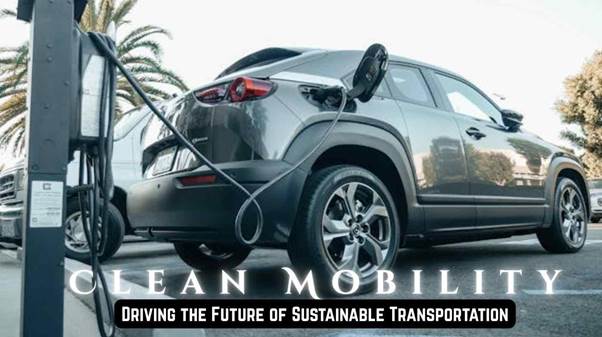
Electric cars, bikes, and buses are at the forefront of the clean mobility revolution. Powered by rechargeable batteries, they produce zero tailpipe emissions, making them ideal for urban centers with heavy pollution.
2. Hydrogen Fuel Cell Vehicles
Hydrogen-powered vehicles generate electricity using fuel cells and emit only water vapor. They’re especially useful for long-distance transport like trucks, buses, and trains.
3. Biofuels and Synthetic Fuels
Biofuels made from organic matter such as algae or plant waste can replace gasoline and diesel in existing engines, reducing reliance on fossil fuels.
4. Shared and Public Transport Systems
Ride-sharing apps, electric scooters, and high-speed trains reduce the number of vehicles on roads while promoting eco-friendly travel. Investing in efficient public transit is key to large-scale emission reduction.
Related Article : Green Transition: Building a Sustainable Future
Benefits of Clean Mobility for Society and the Environment
The benefits of clean mobility extend far beyond cutting pollution. It supports healthier communities, stronger economies, and a cleaner planet.
Environmental Benefits
• Decreases greenhouse gas emissions and improves air quality
• Protects ecosystems from oil spills and fuel leaks
• Promotes renewable energy use in transportation
Economic Benefits
• Lowers long-term energy costs for consumers
• Creates millions of green jobs in manufacturing and maintenance
• Boosts innovation in battery and fuel cell technologies
Social Benefits
• Encourages safer, quieter, and more accessible urban spaces
• Reduces respiratory and cardiovascular diseases
• Promotes equity by improving access to affordable transport options
Clean mobility is more than a technical shift it’s a lifestyle change that connects people and nature more harmoniously.
Challenges in Adopting Clean Mobility
While clean mobility offers immense promise, several challenges slow its global adoption:
• High upfront costs for electric and hydrogen vehicles limit accessibility.
• Insufficient charging and refueling infrastructure hinders expansion.
• Battery disposal and resource extraction raise environmental concerns.
• Policy gaps and lack of incentives in developing countries slow innovation.
However, with global cooperation, technological breakthroughs, and policy reforms, these barriers are gradually being overcome. Nations are investing in renewable energy, smart grids, and battery recycling critical steps toward a clean transport ecosystem.

Real-World Examples of Clean Mobility Success
Across the globe, cities and countries are proving that clean mobility works:
• Norway: Over 80% of new vehicles sold are electric, supported by tax exemptions and free charging networks.
• China: Operates the largest fleet of electric buses and aims for full zero-emission transit in major cities by 2035.
• Netherlands: A global leader in cycling infrastructure, with more bikes than cars, reducing both congestion and emissions.
• India: Through its FAME initiative, the government encourages electric vehicle adoption and local manufacturing to boost sustainable mobility.
These success stories show that commitment and policy alignment can make clean mobility a reality everywhere.
The Future of Clean Mobility
The future of clean mobility is bright and fast-evolving. As technology advances, transportation will become more integrated, autonomous, and sustainable. The rise of AI-driven traffic systems, renewable-powered public transit, and shared electric fleets will reshape urban mobility forever.
For a truly clean future, collaboration between governments, private sectors, and individuals is crucial. From choosing electric vehicles to supporting renewable infrastructure, every action counts in driving this transformation forward.
Conclusion
Clean mobility is more than an innovation it’s the foundation of a sustainable, connected, and pollution-free future. By investing in electric vehicles, green infrastructure, and renewable fuels, we can combat climate change and build healthier cities for generations to come. The shift has already begun; now it’s up to us to accelerate it. Together, we can make clean mobility the global standard for a better tomorrow.
FAQs on Clean Mobility
Q1: What does clean mobility mean?
A: Clean mobility refers to eco-friendly transportation methods that reduce pollution and carbon emissions. It includes electric vehicles, hydrogen-powered transport, cycling, and shared mobility systems that promote sustainability.
Q2: Why is clean mobility important for the environment?
A: Clean mobility helps combat climate change by cutting greenhouse gas emissions, improving air quality, and reducing dependence on fossil fuels. It’s essential for creating healthier, more sustainable cities.
Q3: What are some examples of clean mobility in action?
A: Real-world examples include Norwayk’s electric car revolution, China’s electric bus fleets, the Netherlands’ cycling infrastructure, and India’s EV adoption under the FAME initiative. These demonstrate the global shift toward greener transportation.