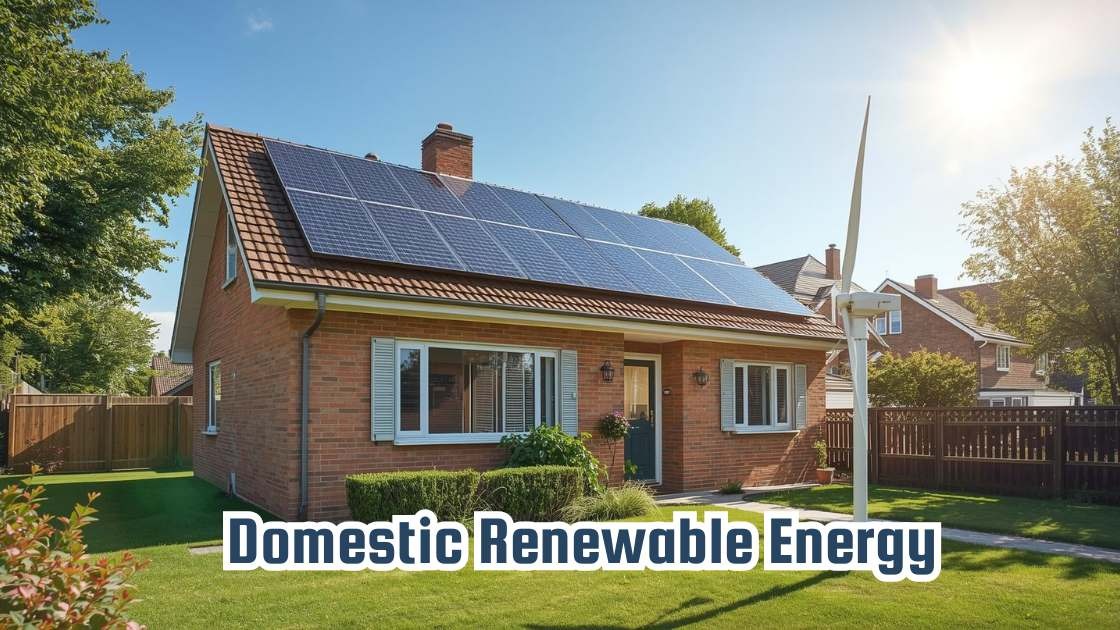
Domestic renewable energy is rapidly changing the way households generate and consume power, offering cleaner, more sustainable alternatives to traditional energy sources. As concerns about climate change and rising energy costs grow, more homeowners are exploring solar panels, home energy storage, and green technology to reduce their carbon footprint and increase energy independence.
Table of Contents
This article will delve into the innovative ways renewable energy solutions are reshaping residential power systems, highlighting key benefits such as cost savings, environmental impact, and technological advancements. Whether you’re curious about installing solar panels or interested in how battery storage can optimize energy use, this guide will provide practical insights and help you understand the future of household energy. Embracing these changes not only supports the environment but also empowers homeowners to take control of their energy needs.
Understanding Domestic Renewable Energy: Definition and Background
Domestic renewable energy refers to the generation and use of energy from natural, sustainable sources directly within a household. These energy sources include solar power, wind energy, geothermal heat, and biomass, all of which help reduce reliance on fossil fuels. Over the past few decades, advancements in solar panels, home energy systems, and battery storage have made it easier and more affordable for homeowners to adopt renewable solutions.
Historically, renewable energy was primarily available on an industrial scale, but innovations in technology have brought it to the residential level. Today, many homes can produce, store, and manage their energy, contributing to greener, more self-sufficient households.
The Importance of Renewable Energy at Home
With climate change becoming an urgent global concern, switching to renewable energy at home is no longer just an option but a necessity.
Using domestic renewable sources helps:
- Lower greenhouse gas emissions and pollution
- Reduce electricity bills and energy costs
- Decrease dependence on centralized power grids
- Increase energy security and resilience
Adopting green technology in households also aligns with government incentives and environmental goals, encouraging more widespread use of clean energy.
Key Benefits of Domestic Renewable Energy
Homeowners choosing renewable energy solutions enjoy a wide range of advantages that go beyond environmental impact:
1. Cost Savings Over Time
Although the initial investment for systems like solar panels and batteries can be significant, many users find that energy bills shrink dramatically. Net metering policies can allow households to sell excess power back to the grid, creating additional savings.
2. Energy Independence
Producing energy at home means less reliance on external utilities, especially during power outages or grid failures. Homeowners gain greater control over their electricity supply.
3. Environmental Impact
Using renewable sources drastically reduces a home’s carbon footprint. This is critical for fighting climate change and promoting cleaner air.
4. Increased Property Value
Homes equipped with renewable energy systems often see a rise in market value due to the appeal of lower operating costs and sustainability.
Related Article: How Domestic Renewable Energy Can Slash Your Energy Bills: 4 Proven Strategies
Challenges of Implementing Renewable Energy at Home
Despite its many benefits, adopting renewable energy in households is not without challenges:
1. High Initial Costs
Upfront expenses for solar panels, wind turbines, and battery storage can be a barrier for many families, even with government subsidies.
2. Space Requirements
Certain technologies like solar panels or small wind turbines need sufficient roof or yard space, which might not be available in all homes.
3. Intermittency and Storage
Renewable energy sources such as solar and wind depend on weather conditions. Efficient energy storage systems are necessary to ensure a steady power supply.
4. Maintenance and Technical Know-How
While many systems are designed for durability, occasional maintenance is required. Homeowners must either learn about their systems or hire professionals.
Practical Examples of Domestic Renewable Energy Solutions
Several renewable energy options are transforming household power today:
Solar Power Systems
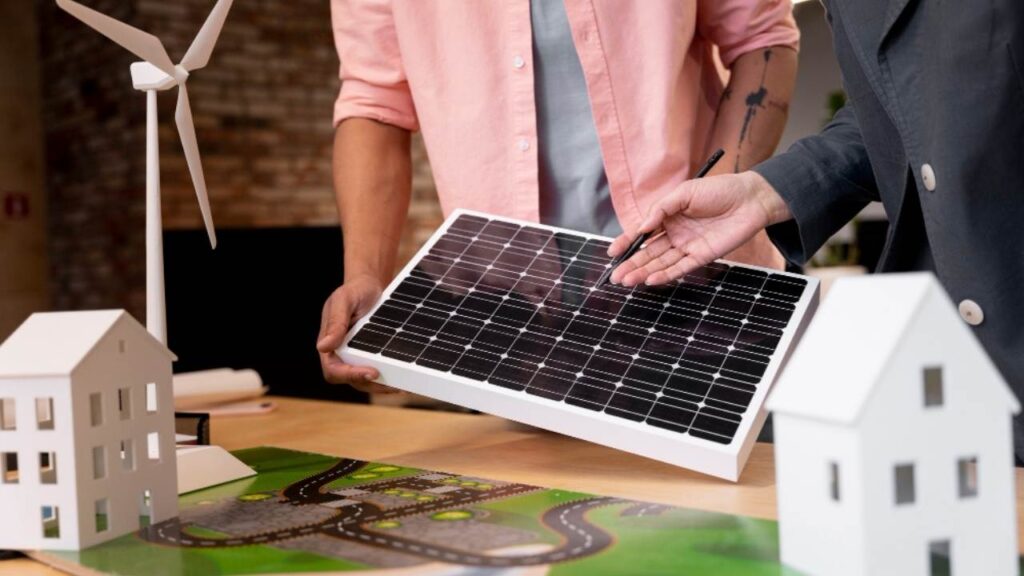
The most common domestic renewable energy solution involves installing solar panels on rooftops. These panels convert sunlight into electricity, powering household appliances and lighting. Coupled with home battery storage, excess power can be stored for nighttime use.
Small-Scale Wind Turbines
In areas with consistent wind, small turbines can supplement energy needs. Although less common than solar, wind power provides a reliable alternative.
Geothermal Heat Pumps
These systems utilize the consistent temperature beneath the earth’s surface to provide efficient heating and cooling for homes. While less about electricity generation, geothermal energy significantly cuts heating and cooling costs.
Biomass Energy
Using organic materials like wood pellets for heating is another renewable option. It’s popular in rural areas where biomass resources are plentiful.
How to Get Started with Domestic Renewable Energy
If you’re considering making the switch, here are some steps to follow:
- Assess Your Energy Needs: Understand your household’s power consumption to choose the right system size.
- Evaluate Your Location: Check sunlight exposure, wind availability, and space constraints.
- Research Incentives: Look for government programs, tax credits, and rebates that reduce upfront costs.
- Consult Professionals: Work with certified installers for proper system design and setup.
- Plan for Storage: Incorporate battery systems to maximize efficiency and energy availability.
The Future of Household Power Solutions
The ongoing development of smart home technologies and energy-efficient appliances complements renewable energy systems. Integration with smart meters and automated controls allows homeowners to monitor and optimize energy use in real-time. Additionally, as battery technologies improve and costs continue to fall, domestic renewable energy will become even more accessible and practical.
Conclusion
Domestic renewable energy is reshaping how households manage and consume power, offering benefits like cost savings, environmental protection, and increased energy independence. By embracing solar panels, energy storage systems, and other green technologies, homeowners can reduce their carbon footprint while boosting property value. Although challenges exist, ongoing advancements make clean energy more accessible than ever. Staying informed about these innovations can help you make smarter energy choices and contribute to a sustainable future. Explore further to discover how these solutions can transform your home’s power system.